
You usually don't worry about water quality until the tap runs dry or the town issues a boil notice. But a creeping crisis around toxic forever chemicals has homeowners confronting hazards just beneath their property lines. Public cleanups are stalling out. Families are taking matters into their own hands.
The Pentagon's disappearing deadlines
Imagine packing up your kids and driving to a local gym just to give them a bath. That's reality for Brandi and Brad Hyatt. They live near an Army base and are terrified of swallowing their own contaminated well water.
Homeowners hoping for a quick fix face a brutal wait. The military quietly delayed cleanup target dates for nearly 200 military sites by as much as two decades, according to USA Today.
The permanent water fix for the Hyatt family's home got pushed until after 2042. These disappearing deadlines leave families entirely in the dark about their health and their property values.
The Department of Defense quietly removed these schedules from its website. The move prompted a sharp letter of criticism from Senator Patty Murray in late July.
What's happening in your state
The fallout from these chemicals looks very different depending on where you live.
New Hampshire just secured a massive settlement payment from BASF Corporation for public water systems. That adds to the over $35 million in PFAS-related settlements the state already collected. The Rochester Post reports the money comes from a nationwide class action settlement approved by a U.S. District Court. It proves state governments can successfully force chemical manufacturers to pay up.
Meanwhile, South Carolina and Pennsylvania are watching their local military cleanups get pushed back by decades. In Washington, the Army resorted to installing 71 in-home filtration systems for residents near the Yakima Training Center while they wait out the delays.
On the consumer side, California and New York enacted bans on PFAS in clothing. That legislation sparked a bizarre revival of Ventile. It's a pure cotton water-resistant fabric originally commissioned by Winston Churchill to help downed pilots survive cold water.
Purging the kitchen cabinets
You can't easily swap out the municipal pipes under your street, but you can control what you cook with. Anxiety over water contamination is driving a massive consumer push away from synthetic coatings inside the house.
Traditional PTFE nonstick coatings release harmful fumes if heated above 450 °F. Inhaling those fumes causes a nasty respiratory condition known as Teflon flu.
Home cooks are abandoning modern convenience for heritage materials to avoid the risk, The New York Times reports. A standard nonstick pan weighs about 2 pounds and is effortless to handle.
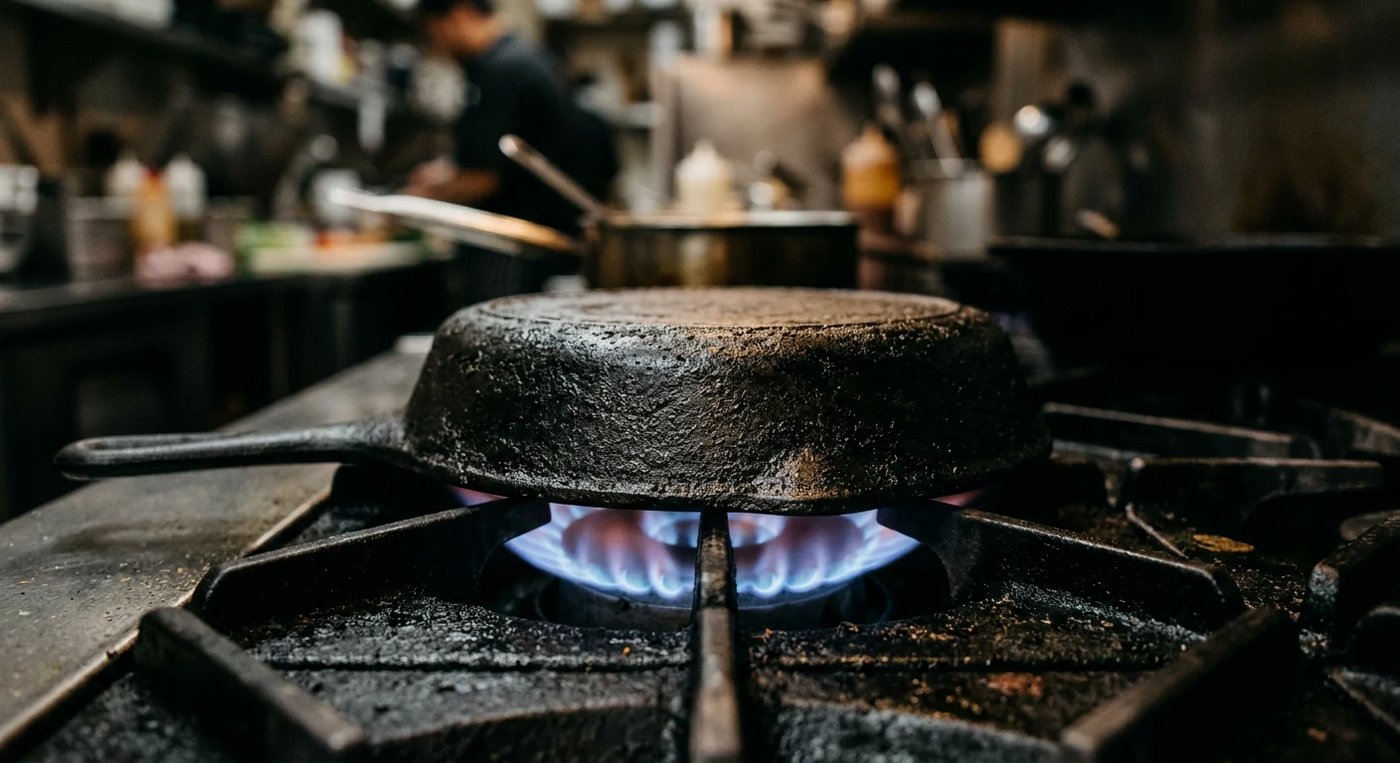
Swapping to a chemical-free cast iron skillet means wrestling with a much heavier pan. People are willing to make that trade-off. If you want the safety without the wrist strain, carbon steel pans develop a seasoned nonstick surface without the toxic baggage.
The bottom line for you
- If you live near an industrial site or a military base, testing your well water is a smart move. You can learn how to spot local risks in our environmental hazards guide.
- Check your local regulations. If you're doing a deep clean or renovation in a state with strict new chemical bans, our New York seasonal checklist helps you track what materials are compliant.
- Ditch the scratched nonstick pans. A basic carbon steel skillet weighs under 3 pounds and won't off-gas into your kitchen.