Carbon Monoxide Is An Immediate Threat
Carbon monoxide is a gas you cannot see or smell. It comes from burning fuel. If your heating system, gas water heater, or stove vents poorly, this gas can build up in your home. It makes you sick very fast and can be deadly.
You need a carbon monoxide detector on every level of your house. Put one right outside all sleeping areas. Test them every month and replace the whole unit every 5 to 7 years. A basic plug in detector costs $20 to $40.
Radon Gas Seeps Up From The Soil
Radon is a radioactive gas naturally found in dirt and rocks. It breaks down and floats up. It can enter your house through tiny cracks in your basement floor or crawlspace. Long exposure to high radon levels is the second leading cause of lung cancer in the US.
You should test your home for radon. You can buy a short term test kit at a hardware store for $15 to $30. You leave it in the lowest lived in level of your house for a few days and mail it to a lab. The lab sends you a number. The Environmental Protection Agency says you should fix your home if the number is 4.0 picocuries per liter or higher.
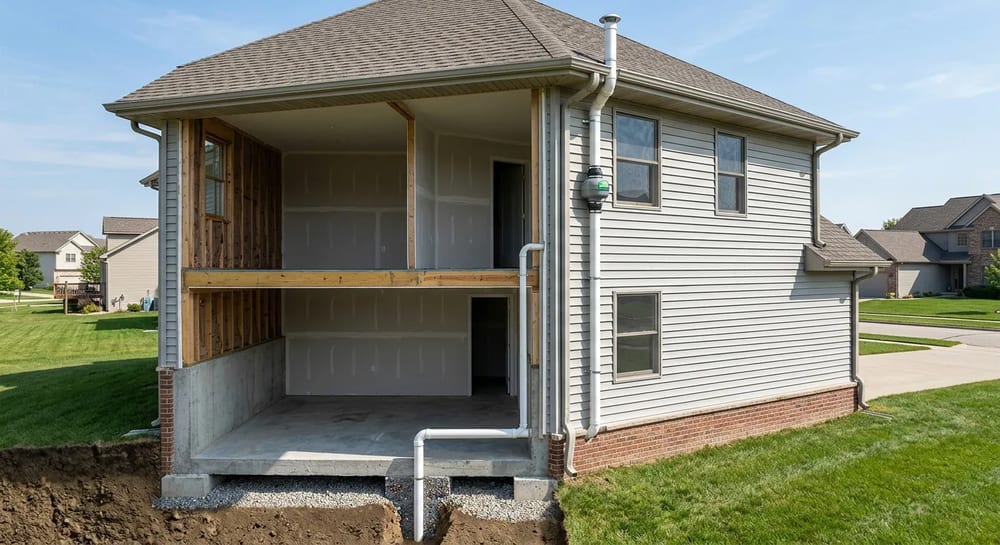
Fixing a radon problem is straightforward. You hire a pro to install an active soil depressurization system. They drill a hole in your basement floor, dig out a small pit, and run a PVC pipe up to the roof. An inline fan runs constantly to suck the gas out before it enters your living space. This setup usually costs $1,000 to $2,500. Keep in mind that prices vary widely based on your region, home age, and the exact scope of work.
Asbestos Is Safest Left Alone
Builders used asbestos in homes for decades because it resists fire and heat. They stopped using it in the late 1970s. You might find it in old floor tiles, popcorn ceilings, pipe wrap, and siding. Asbestos is not dangerous if it is in good shape. It only becomes a health hazard if you break it, sand it, or cut it. That releases tiny fibers into the air.
If you have an older home and plan to remodel, get an asbestos test first. A pro can take a tiny sample for about $100 to $200. If you find asbestos, the cheapest and safest option is often to cover it up. For example, you can install new vinyl flooring right over old 9x9 asbestos tiles.
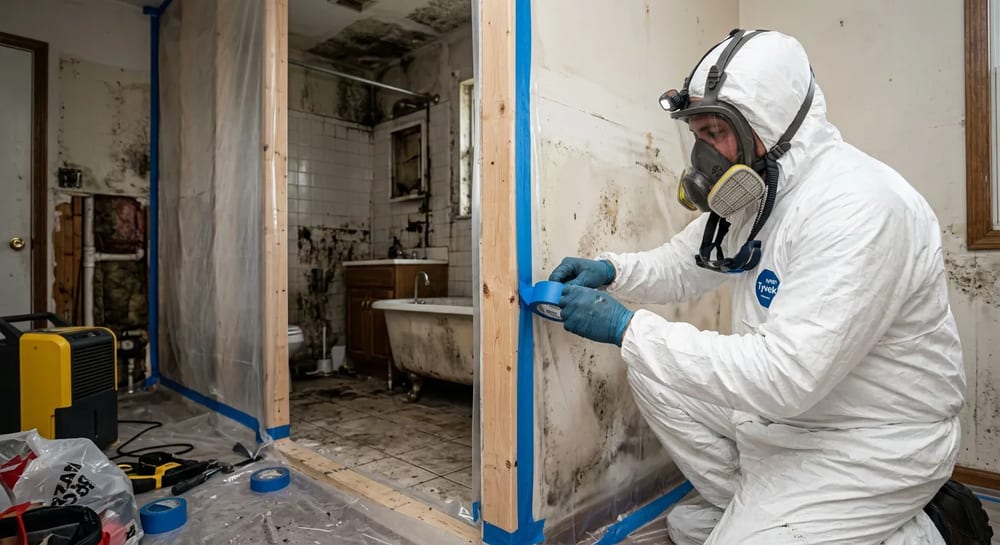
If you must remove it, you have to hire a certified abatement team. They seal off the room, wear protective suits, and use special vacuums. This work is expensive. Removing a popcorn ceiling safely can cost $1,500 to $3,000. Prices will change depending on local labor rates and the size of the room.
Lead Paint And Plumbing
Lead is a toxic metal. Homes built before 1978 likely have some lead based paint. Homes built before 1986 might have lead solder in the water supply lines.
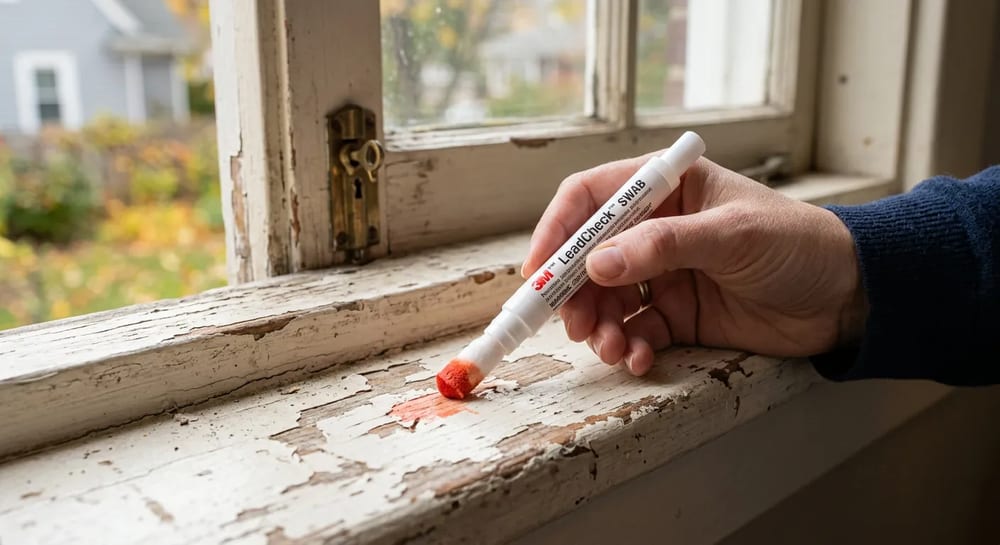
Lead paint is mostly a danger to young children who might eat sweet tasting paint chips. The bigger everyday risk is lead dust. Opening and closing an old painted window creates fine dust that settles on floors. You can test your paint with a simple swab kit from the hardware store.
You can manage lead paint by keeping it painted over and intact. This is called encapsulation. If the paint is peeling badly, you need a certified pro to scrape and repaint it safely.
Mold Reality Versus The Hype
Mold scares a lot of homeowners. You might see scary news stories about toxic black mold. While mold can cause breathing problems and allergic reactions, it is rarely a reason to abandon your house.
Mold is just a symptom of a water problem. Mold spores are everywhere in the air. They only grow into a colony when they find a wet spot. If you smell musty odors, you probably have a leak or high humidity.
If you find a small patch of mold under a sink, you can clean it yourself. Wear a mask and gloves. If you have a massive mold outbreak covering half a basement wall, you need a remediation company. They will set up negative air pressure and safely remove the ruined drywall. The most important step is fixing the water leak. If you do not stop the water, the mold will return.
How To Clean Mold And Remove It Safely
Mold cleanup is the single most common hazard question homeowners ask. The good news is that most mold problems are small and you can handle them yourself. The rule of thumb from the EPA is that you can clean any patch smaller than about 10 square feet, which is roughly a three foot by three foot square. Anything bigger, or any mold that keeps coming back, means you should call a remediation company.
Before you scrub anything, you must find and fix the water source. Mold is never the real problem. It is a sign of a leak, a drip, or high humidity. If you clean the wall but leave the leak, the mold will grow right back within weeks.
Step By Step DIY Mold Removal
- Put on a mask, rubber gloves, and eye protection. Mold spores irritate your lungs and eyes.
- Open a window or run a fan that blows air outside, not into other rooms.
- Fix the moisture source first. Repair the leaky pipe, caulk the gap, or run a dehumidifier to drop humidity below 50 percent.
- Mix warm water with a little dish soap, or use a store bought mold cleaner. Scrub the surface with a stiff brush.
- For a hard surface like tile or glass, you can use a stronger product. For porous surfaces like drywall, do not just paint over it. If the drywall is soft or stained through, cut it out and replace it.
- Dry the area completely. A wet surface invites the mold right back.
Mold In The Bathroom And Basement
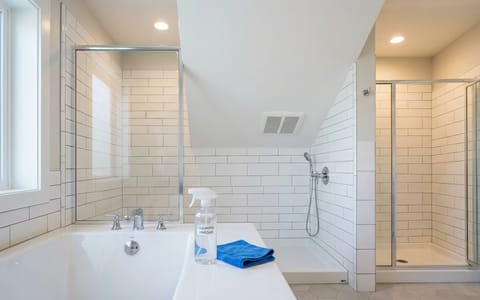
The bathroom and basement are the two spots mold loves most because they stay damp. To get rid of mold in the bathroom, scrub the grout and caulk lines, then run the exhaust fan for 20 minutes after every shower to pull moisture out. If the caulk is black all the way through, dig it out and re-caulk.
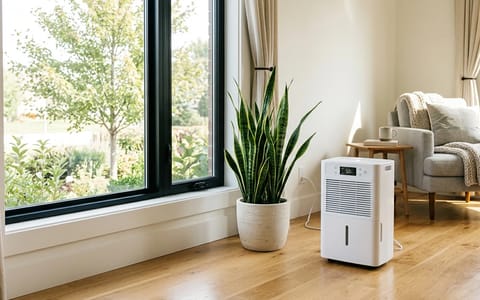
Basement mold usually points to a bigger moisture issue like a damp foundation or poor drainage. A basement dehumidifier set to 45 to 50 percent humidity stops new growth. Here is a quick guide to which mold jobs you can do and which need a pro.
| Situation | What It Looks Like | DIY Or Pro | Typical Cost |
|---|---|---|---|
| Small spot under sink | Patch smaller than 3 by 3 feet | DIY cleanup | Under $50 in supplies |
| Bathroom grout and caulk | Black lines along tile | DIY scrub and re-caulk | $20 to $60 |
| Wall after a leak | Stained, soft drywall | Pro if larger than 10 sq ft | $500 to $1,500 |
| Whole basement wall | Spreading colony, musty smell | Remediation company | $2,000 to $6,000 |
Prices vary widely based on your region, home age, and the exact scope of work. A remediation crew sets up negative air pressure, removes ruined materials, and treats the framing so spores do not spread to the rest of the house.
Testing And Monitoring Indoor Air Quality
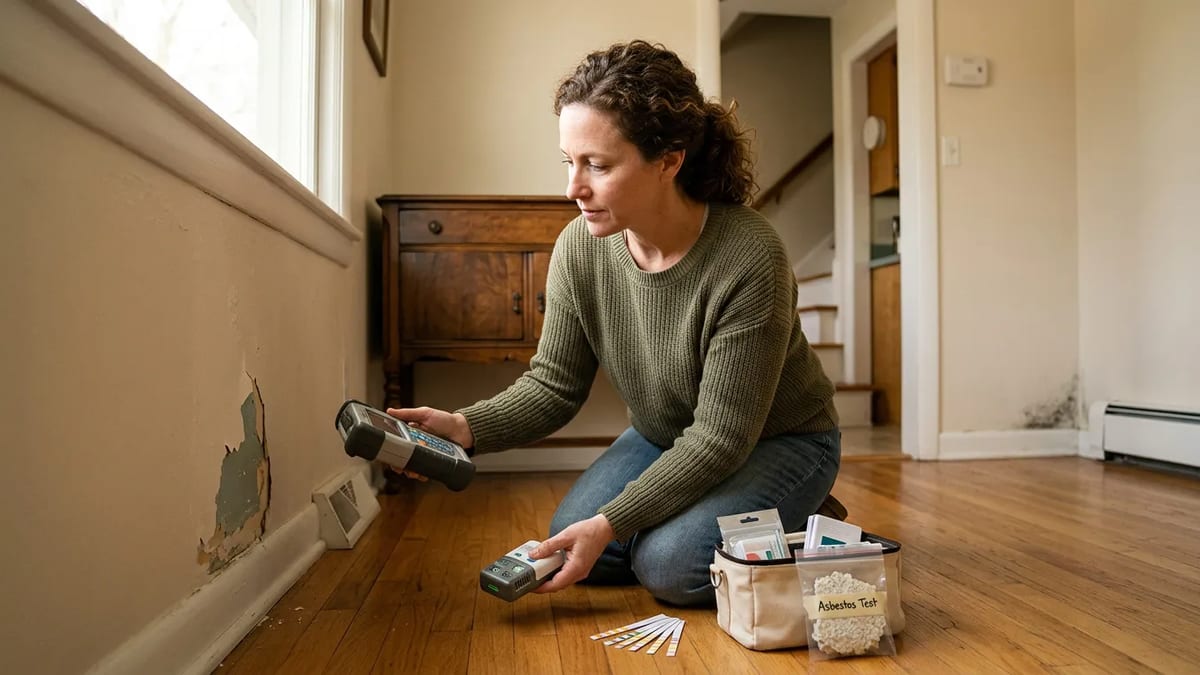
Many of the hazards in this guide share one trait. You cannot see or smell them. An indoor air quality monitor gives you a number so you stop guessing. These small plug in or battery devices track several things at once, and they have become an easy first step for homeowners who want to know what they are breathing.
A good home air quality test or monitor watches for particulate matter, called PM2.5, which is the fine dust from cooking, candles, and outdoor smoke. Better units also track volatile organic compounds from paint and cleaners, humidity, and carbon dioxide, which rises when a room is stuffy and poorly ventilated. Remember that a general air quality monitor does not replace a dedicated carbon monoxide alarm or a radon test. Those two gases need their own purpose built devices.
What A Monitor Measures
| Reading | What It Tells You | Healthy Target |
|---|---|---|
| PM2.5 particles | Smoke, dust, cooking fumes | Under 12 micrograms per cubic meter |
| VOCs | Off gassing from paint, glue, cleaners | Lower is better, ventilate when high |
| Humidity | Mold and dust mite risk | 30 to 50 percent |
| CO2 | How stale the air is | Under 1,000 parts per million |
How To Improve A Bad Reading
- Ventilate. Open windows or run kitchen and bathroom exhaust fans to push stale air out.
- Run a portable HEPA air purifier sized for the room to pull down PM2.5.
- Change your furnace and AC filter on schedule so the whole house filter keeps working.
- Keep humidity in the 30 to 50 percent band with a dehumidifier or humidifier as the season demands.
- Cut the source. Switch to low VOC paint and store solvents and cleaners in a vented garage, not a closet.
Comparing Home Hazards
Every house is different. Some face risks from the soil, while others face risks from old building materials. Here is a quick breakdown of common threats.
| Hazard | Primary Source | Testing Method | Fix Difficulty |
|---|---|---|---|
| Carbon Monoxide | Gas appliances, fireplaces | Plug in detectors | Easy DIY |
| Radon | Soil under the house | Mail in charcoal kit | Pro job |
| Asbestos | Old tiles, insulation, ceilings | Lab analysis of a sample | Pro job |
| Lead | Old paint, old pipes | Chemical swab kit, water test | Moderate DIY or Pro |
| Mold | Water leaks, high humidity | Visual inspection, smell | Depends on size |
What Mitigation Costs
Fixing these problems usually requires special equipment. Keep in mind that prices vary widely based on your region, home age, and the exact scope of work. Here is a rough look at typical starting prices for professional hazard removal.
Natural Gas Leaks Smell Like Rotten Eggs
Natural gas is not the same threat as carbon monoxide. Carbon monoxide is the byproduct of fuel that burns poorly. A gas leak is raw fuel escaping before it burns at all. Natural gas has no smell on its own, so the utility adds a chemical called mercaptan that smells like rotten eggs or sulfur. That smell is your warning.
Leaks come from a few common spots. A pilot light blows out, a flexible connector behind the stove cracks with age, or a fitting on the gas line to your furnace works loose. You can find small leaks at a joint by brushing on soapy water and watching for bubbles. Never use a flame to hunt for a leak.
Off Gassing From New Materials
That new paint or new carpet smell is real. It comes from volatile organic compounds, or VOCs. These are chemicals that evaporate out of fresh materials into your air for days or weeks after install. Common sources include paint, varnish, new furniture made from pressed wood, flooring adhesives, and many cleaning products.
For most people VOCs cause short term effects like headaches, dizziness, or watery eyes. The fix is simple. Air the space out.
- Ventilate: Open windows and run a fan for a few days after painting or installing new flooring.
- Choose low VOC products: Most paint brands now sell low VOC or zero VOC lines for a small price bump.
- Let it breathe first: Unwrap a new mattress or piece of furniture in the garage for a day or two before bringing it into a bedroom.
- Store solvents away: Keep paint cans, glues, and cleaners in a vented garage or shed, not a hall closet.
An indoor air quality monitor that reads VOCs, covered earlier in this guide, tells you when a room needs more fresh air.
Pests Carry Their Own Health Risks
Some hazards in a home are alive. Pests do more than damage wood and chew wires. Their droppings, nests, and stings create real health problems, which is why a serious infestation is part of the hazard picture.
Rodent droppings and urine can carry viruses and bacteria that go airborne when the mess dries out and gets stirred up. Do not sweep or vacuum a dry nest, because that puts particles into the air you breathe. Instead, dampen the area with a disinfectant spray, let it sit, then wipe it up while wearing a mask and gloves. Cockroach droppings are a known asthma and allergy trigger, especially for children.
Stinging insects are a different danger. A wasp or hornet nest near a doorway or in a wall void can send someone with an allergy to the hospital. A large or hidden nest is a job for a pest control pro, not a can of spray. Sealing gaps around pipes, vents, and the foundation keeps most pests out in the first place. A bad infestation can also affect a claim, so it is worth reviewing your home insurance coverage.