Furnace Short Cycling? How to Find and Fix the Real Cause
Furnace turning off before the house warms up? This frustrating problem is known as short cycling. Learn how to diagnose and fix it safely with these simple DIY steps.
Full guide HVAC & Climate Control How your home heats, cools, and moves air, and the decisions that matter.There is nothing quite as frustrating as waking up to a freezing house, hearing the furnace kick on, and then listening to it shut off just a minute later. This highly disruptive problem is known as furnace short cycling. It leaves you shivering and puts immense strain on your HVAC system.
Before you panic and pay for an expensive emergency HVAC visit, there are several simple, safe, and cost-effective fixes you can try yourself. Let's walk through the most common culprits.
1. The Usual Suspect: A Clogged Air Filter
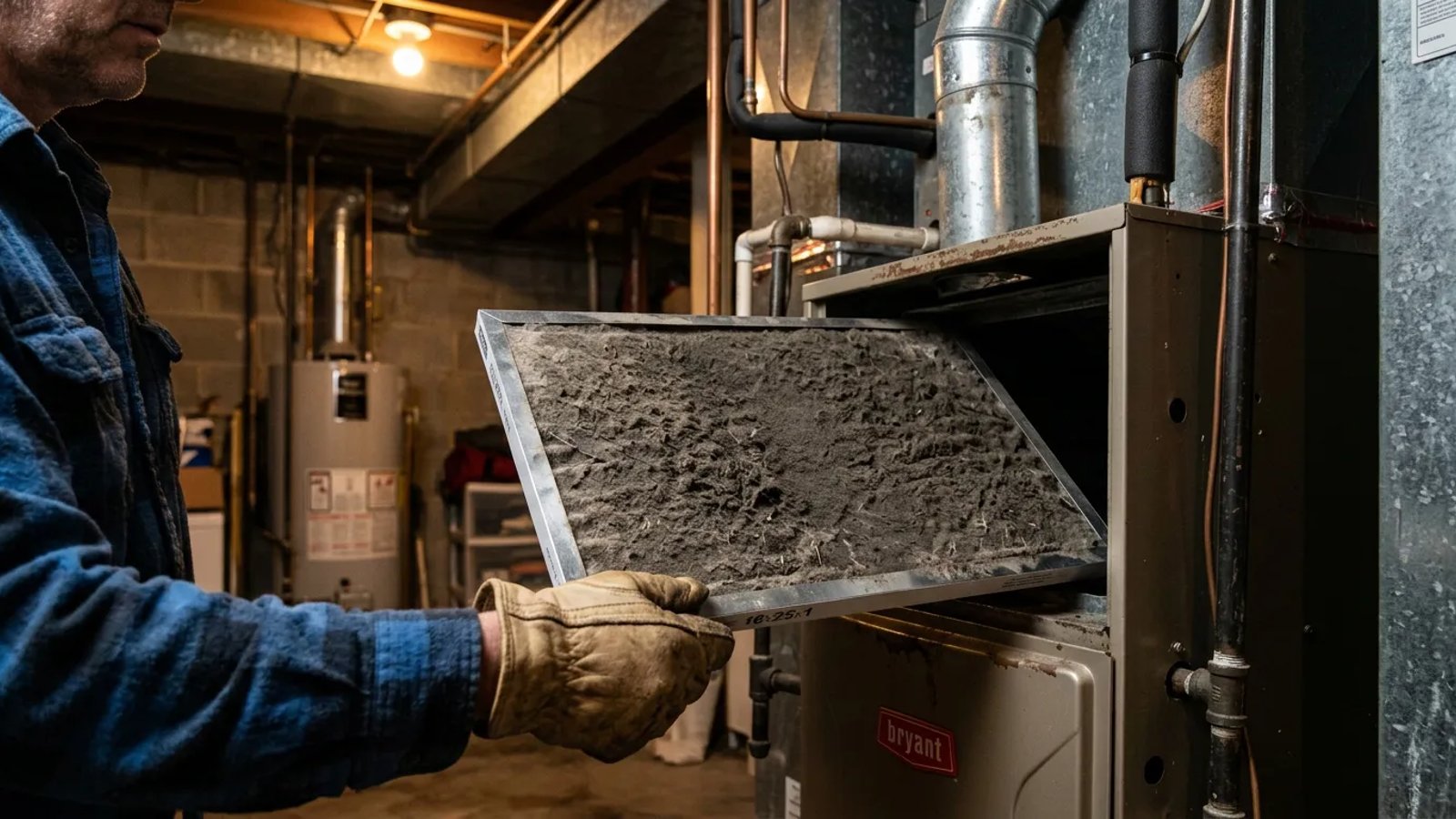
The number one cause of furnace short cycling is a severely dirty air filter. Your furnace needs to breathe. When a filter gets packed with dust and pet hair, it restricts airflow over the heat exchanger.
Without enough air moving across it, the heat exchanger quickly overheats. Your furnace has a built-in safety device called a high-limit switch. When it senses dangerous temperatures, it immediately shuts the burners off to prevent a fire. Replace your filter every 1-3 months—a basic $15 pleated filter from Home Depot is usually all you need.
2. Clean the Flame Sensor
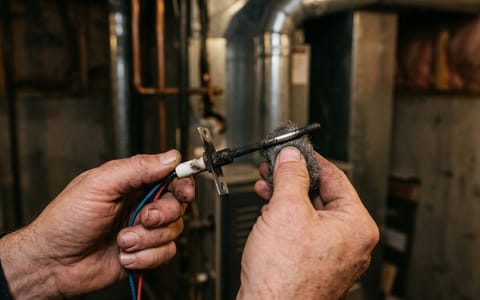
If your filter is clean but the furnace still shuts off after just a few seconds, the flame sensor is likely the culprit. This small metal rod sits in the path of the burner flame. If it gets coated in carbon buildup, it can't feel the flame and shuts the gas off as a safety precaution.
- Turn off the power. Flip the switch on the side of the furnace and shut off the gas valve.
- Locate the sensor. It is usually a thin metal rod with a single wire attached, mounted near the burners.
- Remove and clean. Unscrew the mounting screw (usually a 1/4-inch hex head). Gently rub the metal rod with fine steel wool until the black soot is gone.
- Reinstall. Screw it back into place, reattach the wire, and turn the power back on.
Never use sandpaper to clean a flame sensor; the grit can melt into the rod and ruin it completely.
3. Inspect Exterior Exhaust Vents
High-efficiency furnaces vent their exhaust gases outside through white PVC pipes. If these pipes get blocked, the furnace's pressure switch will trip, causing an immediate shutdown.
Head outside and locate your intake and exhaust pipes. Check them for blockages like accumulated snow, ice buildup, leaves, or even small bird nests. Clearing away debris takes just a few seconds and often solves the problem instantly.
When to Call a Professional
DIY troubleshooting can save you a lot of money, but furnaces are complex gas appliances. Knowing your limits is crucial for your safety and the longevity of your system.
Taking a few minutes to check the basics can often get your heat running smoothly again. Keep up with your seasonal maintenance, swap those filters regularly, and enjoy a warm, comfortable home all winter long.