
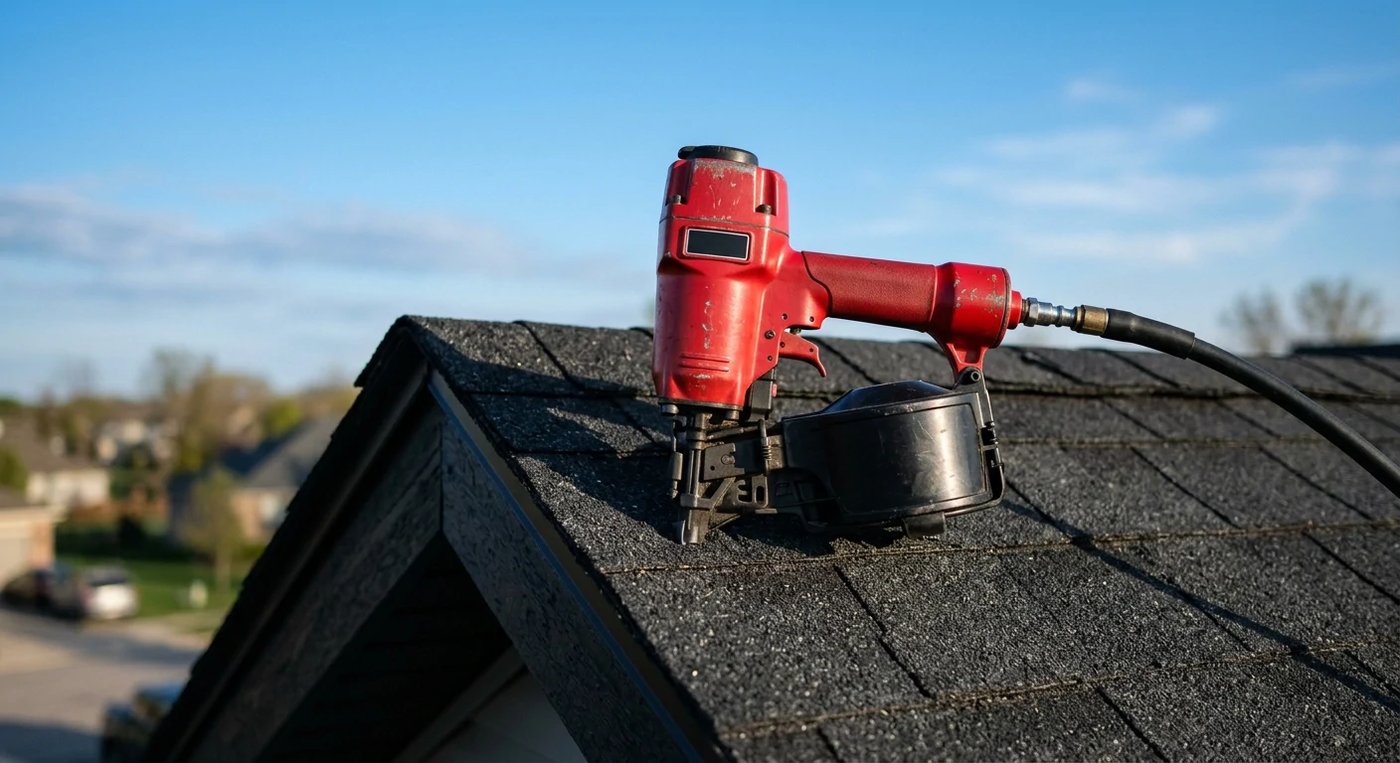
You might be sitting on a mountain of home equity, but try handing a roofer a slice of your Zestimate when it rains. Homeowners across the country are quietly shelving the dream kitchen to play defense. Between the staggering out-of-pocket cost of basic maintenance and new local rules forcing a rethink of the American lawn, the smartest renovations happening right now are purely defensive. Protecting your equity means protecting the physical structure—and the dirt it sits on.
House rich, roof poor
A more valuable home doesn't automatically make you wealthier. Unless you're selling, you're just the steward of a much more expensive physical asset. A recent analysis of U.S. markets by HousingWire found almost zero connection between how much a home's value has jumped and how easily the owner can afford to fix the roof. The real math is strictly local.
In Detroit, paying for a new roof can wipe out well over a third of a household's yearly income. Down in Texas, neighboring cities Dallas and Frisco have seen identical home appreciation, yet the financial burden of that exact same repair differs wildly simply because local salaries differ. You can't borrow against your home's appreciation for every leaky shingle.
That leaves a lot of owners house rich but repair poor. When labor and materials get this expensive, you skip the bathroom remodel just to keep the rain out.
The expensive dirt outside
The yard is becoming its own massive liability. Persistent dry spells are forcing municipalities to treat public water like a dwindling savings account, and they're passing those restrictions directly down to you.
In Colorado, Aurora's reservoirs have plummeted well below their seasonal average. According to CBS News, the city council is advancing rules to ban most outdoor spray irrigation through the winter months and permanently prohibit thirsty Kentucky bluegrass in new developments. They just want to keep the local water supply alive.
Up in Minnesota, residents are facing a recurring fall drought. Turf experts told CBS News you should skip the fertilizer right now because dormant grass won't absorb the nutrients anyway. The smart money is on dormant seeding later in November. People are finally ditching weak traditional lawns for tough varieties like fine fescue that can actually handle a dry spell.
The bottom line
- If you suspect a roof leak, don't wait for the first spring rain to test your sanity. Get a handle on the math early by checking our guide to what home repairs cost before you start calling local pros for bids.
- Rethink your turf before your city council forces you to. Swapping traditional grass for warm-season varieties can cut your watering needs drastically. You can map out a drought-friendly yard with our landscaping and outdoor guide.
- If you live in the Mountain West and face strict new water limits, you have to adapt. Keep your home on track with our Colorado seasonal checklist to prepare for a dry winter.