
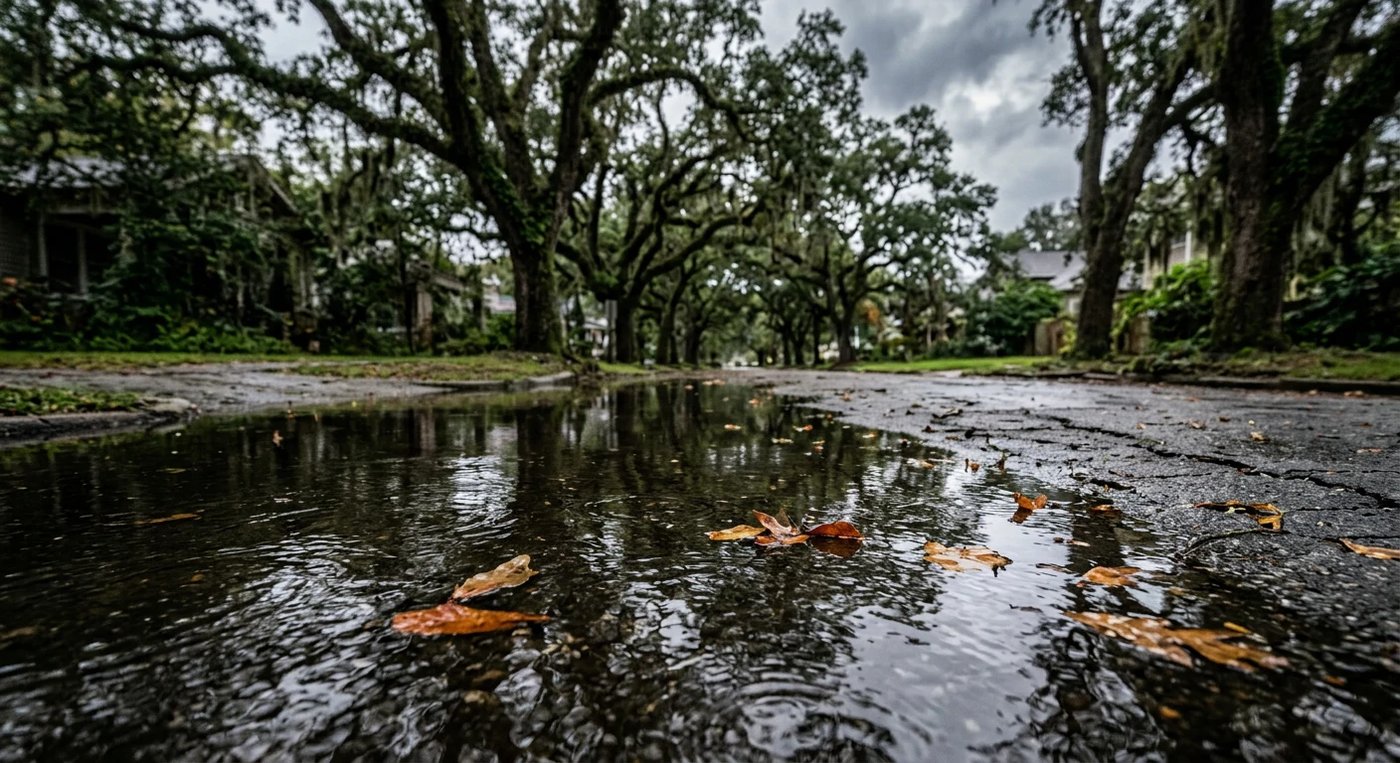
You expect a roof to leak eventually, or a water heater to quit on a long weekend. You don't usually expect the earth to open up and swallow a work van. You also don't expect to wait three months for a federal check after a tornado. But this week is a loud reminder of the messy, expensive reality of water, weather, and the actual ground we build our homes on.
The hidden cost of what's underground
Sinkholes feel like an act of nature. In residential areas, though, they are usually a man-made problem. When aging municipal storm drains or private pipes crack, water slowly washes away the soil beneath the asphalt. By the time you spot a dip in the pavement, the damage is already done.
We are seeing this happen right now. A massive hole at a Pennsylvania coffee shop exposed old drainage pipes and forced the property owner to spend a fortune on repairs over the years, according to CBS News. Failing infrastructure eventually becomes a private property headache.
What's happening in your state
Pennsylvania: A sinkhole in the parking lot of a Penn Hills Dunkin' on Rodi Road has been growing for more than a month. Customer Angel Jackson said it looks like something is going to crawl out of it. Drivers say it makes pulling out of the morning drive-thru genuinely dangerous. PennDOT is finally planning a study to find a permanent fix.
California: The ground simply gave way in Los Feliz this week. A sudden collapse nearly swallowed a Spectrum work van whole.
Florida: First responders had to rescue a dog that fell into a sinkhole after the ground suddenly opened up, NBC News reports.
Wisconsin: Homeowners in Forest, Outagamie, Vilas, and Winnebago counties are finally getting access to FEMA individual assistance and Small Business Administration disaster loans following severe summer storms.
The long wait for the cavalry
That Wisconsin disaster declaration deserves a closer look. The storms and tornadoes that tore through the state happened in late July. Governor Tony Evers requested federal assistance in August. The approval from the Wisconsin Department of Military Affairs just came through on October 20.
That's nearly three months of waiting. Federal disaster loans are incredibly helpful for covering what insurance won't, but they move at the speed of government. If a storm rips off your shingles or floods your basement, you're largely on your own to float the initial cleanup costs. You have to secure the property while the paperwork slowly clears.
The bottom line for you
- Keep an eye on how water moves around your lot. Pooling water can silently erode the soil and compromise your base. Our foundation guide walks you through exactly what warning signs to watch for.
- Build your own safety net. Since federal disaster loans take months to arrive, review your home emergency plan and cash reserves. You don't want to be caught flat-footed while waiting for help.