How to Clean Sliding Door Tracks and Fix a Sticky Door
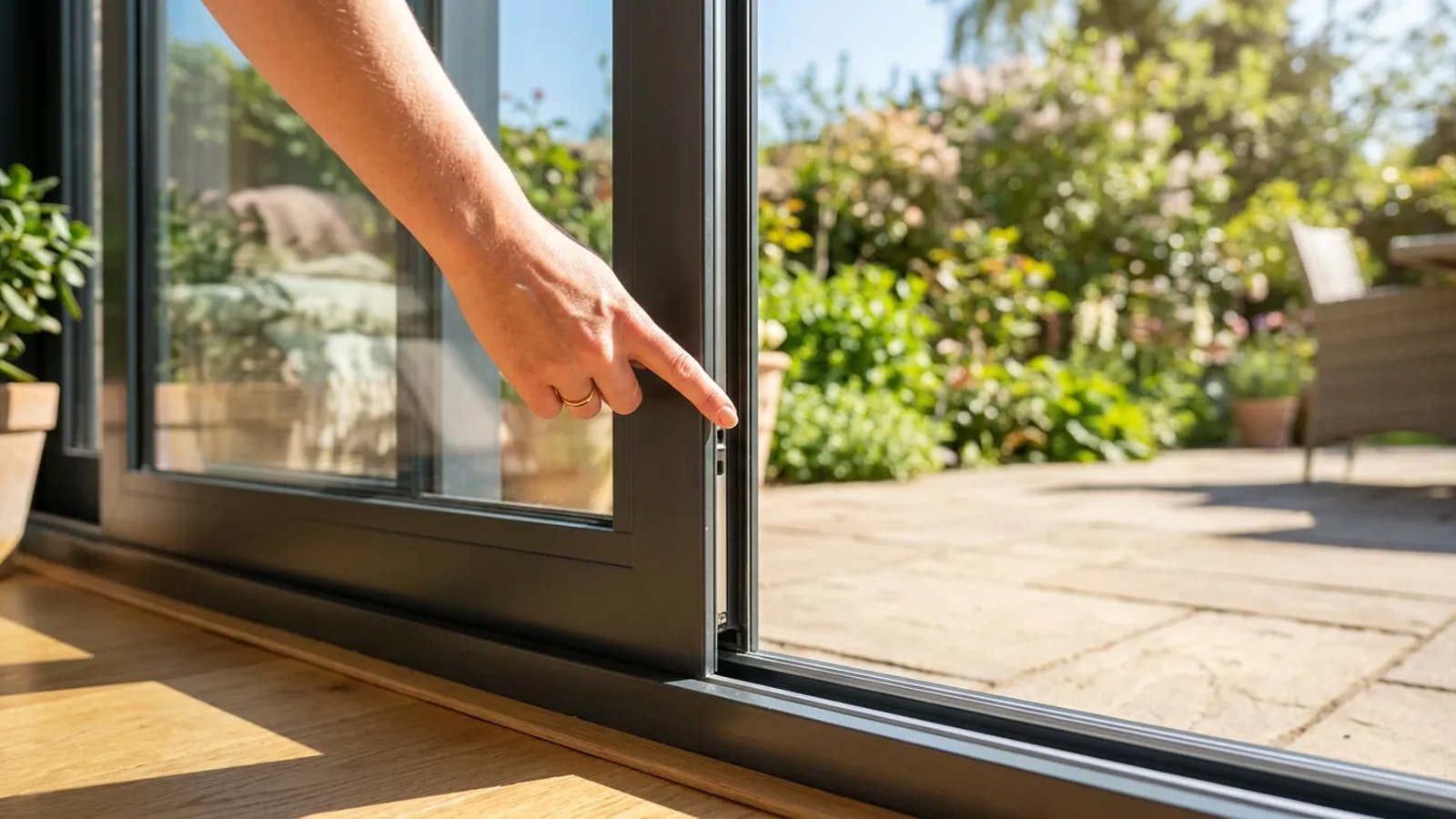
Restore that effortless, one-finger glide to your patio door. Learn the right way to clean your tracks, the danger of standard lubricants, and how to adjust your rollers.
Full guide Windows & Doors Learn how to spot energy leaks, fix drafts, and decide when to replace your windows and doors.You go to open your patio door to catch a mid-summer breeze, and it takes both hands, a braced foot, and a lot of grunting to move it. Throughout the year, sliding door tracks collect a stubborn mix of dirt, pet hair, dead bugs, and grit. When you force the heavy glass panel over this debris, you aren't just getting an arm workout. You risk permanently damaging the plastic rollers or gouging the aluminum track itself.
If you want to restore that satisfying, one-finger glide to your patio door, you need to properly clean sliding door tracks during the heavy traffic of patio season. It takes about 30 to 45 minutes, requires zero specialized tools, and can save you a costly roller replacement bill, which averages $150 to $350 as of 2026. We have all been guilty of ignoring the tracks until the door practically seizes up, but a little preventative maintenance goes a very long way in preserving the life of your door hardware.
The Anatomy of a Sticky Sliding Door
To understand why your door is fighting you, it helps to know how it works. Sliding glass doors are incredibly heavy. A standard double-pane glass panel can weigh anywhere from 50 to over 100 pounds. All of that weight rests on two small plastic or steel wheel assemblies, known as rollers, tucked up inside the bottom frame of the door.
These rollers are designed to glide along a thin, raised aluminum rail inside the bottom track. When that track fills with debris, the rollers can no longer spin freely. Instead of rolling smoothly, they drag. This dragging action creates immense friction, which grinds the dirt into the track and slowly shaves away the material of the rollers themselves. Over time, the rollers develop flat spots.
Once a roller has a flat spot, no amount of cleaning will bring back that smooth glide. You will feel a rhythmic thump-thump-thump every time you open the door.
By keeping the track clear, you ensure the rollers can spin as intended, bearing the weight of the glass evenly and preventing the friction that destroys the hardware.
Why Standard Lubricants Are Your Door's Worst Enemy
When faced with a sticky door, most homeowners instinctively reach for the familiar blue and yellow can of WD-40 sitting in their garage. This is one of the most common and most damaging mistakes you can make in home maintenance.
Standard WD-40 is a water displacer and a solvent, not a long-term mechanical lubricant. While it might make the door slide a little easier for a day or two, it leaves behind a wet, sticky residue. This residue acts like a powerful magnet for dust, pet hair, pollen, and sand. Within a few short weeks, that newly collected debris mixes with the wet lubricant to create a dark, highly abrasive grinding paste.
This paste will choke the delicate bearings inside your roller assemblies and rapidly accelerate wear on the aluminum track. Instead of a wet lubricant, you need a dry lubricant. Dry silicone spray or PTFE (Teflon) spray goes on wet to penetrate the hardware, but the carrier solvent quickly evaporates. This leaves behind a slick, micro-thin layer of lubrication that is completely dry to the touch and will not attract dirt.
Your Door Maintenance Toolkit
Before you begin the cleaning process, gather your supplies. You likely already have everything you need under your kitchen sink or in your garage. Having everything within arm's reach makes this a quick, painless weekend chore.
Notice that we are using mild dish soap rather than harsh chemical cleaners. Bleach or ammonia-based cleaners can actually pit and corrode the aluminum track over time, creating a rough surface that ruins your rollers. Mild dish soap is tough on grease but safe for the metal.
Step-by-Step: How to Clean Sliding Door Tracks
Now that you have your tools and the right type of lubricant, it is time to tackle the grime. Follow these steps in order. Rushing straight to the wet cleaning phase is a common mistake that just creates a muddy mess inside your door frame.
- Vacuum the dry debris first. Use your vacuum's narrow crevice tool to suck up all the loose dirt, dead bugs, leaves, and pet hair. Open the door fully to get one side, then slide it closed to access the other side. Removing the dry dirt first prevents you from creating a thick mud when you introduce water.
- Scrub the track with soapy water. Dip your old toothbrush or stiff-bristled brush into your warm, soapy water. Scrub the tracks vigorously, paying special attention to the raised center rail where the rollers actually sit. The bristles will help break up compacted dirt and sticky residues.
- Wipe up the dirty water. Use your microfiber cloths or paper towels to soak up the dirty, soapy water. You may need to do this a few times, rinsing your cloth in between, until the track looks bright and clean.
- Dry the track completely. This is a critical step. Take a fresh, dry cloth and wipe down the entire track assembly. Moisture left behind in the track can lead to rust on the steel components of your rollers or encourage mildew growth. Ensure the track is bone dry before moving on to lubrication.
The Art of Proper Lubrication
With your tracks completely clean and dry, you are ready to lubricate. The goal here is to apply enough dry silicone or Teflon spray to reduce friction, without creating a slippery mess on your patio or living room floor.
First, shake the can of dry lubricant vigorously. If your can comes with a small plastic smart straw, attach it. You want a precise stream, not a wide mist. Aim the straw directly at the raised center rail of the track. This is the only part of the track that the rollers actually touch. Spray a light, even coat along the entire length of the rail.
Next, try to lubricate the rollers themselves. Slide the door open a few inches. Aim the straw up under the door panel, directing the spray toward the plastic or metal wheels hidden inside the frame. Give each roller a quick, one-second burst of spray. Slide the door back and forth several times to work the lubricant into the bearings.
Elevating the Door: How to Adjust Sliding Door Rollers
What if your track is sparkling clean, properly lubricated, but the door still drags heavily against the bottom frame? This means your door has settled. Over years of use, the sheer weight of the glass compresses the roller assemblies, causing the door panel to sink lower and lower until the frame itself is scraping against the track.
Fortunately, almost all sliding glass doors have built-in adjustment screws to fix this exact problem. Look at the bottom interior face of your sliding door panel. You should see two small holes, one on the left side and one on the right. Sometimes these holes are covered by small plastic or rubber plugs that you can easily pop out with a flathead screwdriver.
Insert your Phillips-head screwdriver straight into one of the holes until you feel it seat into the screw head. To raise the door, turn the screwdriver clockwise. You should physically see the door lift slightly off the track. To lower the door, turn the screwdriver counterclockwise.
Adjust both sides evenly. Give the left screw two full turns clockwise, then give the right screw two full turns clockwise. Slide the door to test the glide. You want the door high enough that it clears the bottom track completely, but not so high that it pops out of the top track or fails to line up with the locking mechanism on the wall jamb. A properly adjusted door will slide smoothly and latch securely with a satisfying click.
The Impact of Smart Openers in 2026
With automated sliding door openers becoming a standard smart home upgrade in 2026, track maintenance is more critical than ever. These aftermarket motors allow you to open your patio door with a voice command or smartphone app. However, if your track is dirty and the door drags, the excess friction will quickly burn out the smart opener's motor. Always ensure your door glides effortlessly by hand before connecting it to an automated system.
Recognizing When It's Time for New Rollers
Sometimes, despite your best cleaning and adjusting efforts, the door simply refuses to cooperate. If you have thoroughly cleaned the track, applied dry lubricant, and maxed out the height adjustment screws but the door still requires immense bodily force to open, your rollers have reached the end of their lifespan.
Symptoms of dead rollers include a loud, grinding metal-on-metal sound, visible chunks of cracked plastic sitting in the track, or a door that visibly leans to one side because a wheel assembly has completely collapsed.
By taking 30 minutes to clean sliding door tracks a few times a year, you can dramatically extend the life of your rollers. Keeping the grit out and the dry lubricant fresh ensures that your patio door remains an effortless gateway to your backyard, rather than a daily test of your upper body strength.