What Not to Flush Down a Septic Tank to Avoid Costly Backups
What goes down your drains dictates how often your septic tank needs pumping. Learn the worst offenders and how to protect your drain field from costly failure.
Full guide Plumbing Learn how your home plumbing works and how to stop leaks before they ruin your house.Moving to a home with a septic system comes with a learning curve, and the most expensive lesson usually involves the toilet. If you are trying to avoid a $3,000 repair bill or a flooded yard, it starts with understanding the rules of the drain. Homeowners often ask how often they need to schedule a pump-out, but the reality is that the timeline is entirely in your hands. Knowing exactly what not to flush down a septic tank is the single most effective way to extend the life of your drain field and save money on premature maintenance.
The Biology of Your Septic System
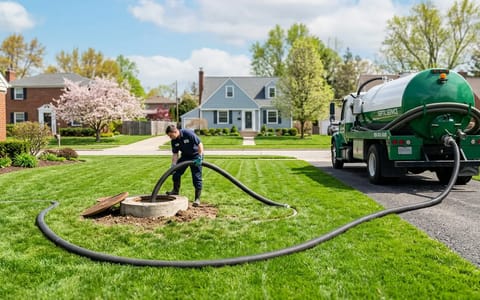
To understand why certain items are strictly forbidden, you have to understand how a septic system actually works. Your tank is not just a holding container; it is a living, biological ecosystem. When wastewater enters the tank, it separates into three layers. Heavy solids sink to the bottom to form the sludge layer. Lighter materials like fats and oils float to the top to form the scum layer. The middle layer is clear liquid effluent, which eventually flows out into your drain field.
The magic happens thanks to naturally occurring anaerobic bacteria. These microscopic workers eat the solid waste, breaking it down and drastically reducing its volume. If you introduce materials the bacteria cannot eat, or chemicals that kill the bacteria entirely, the solid sludge builds up rapidly. Once that sludge reaches the outlet baffle, it spills into the drain field, clogging the soil and causing catastrophic system failure.
What Not to Flush Down a Septic Tank
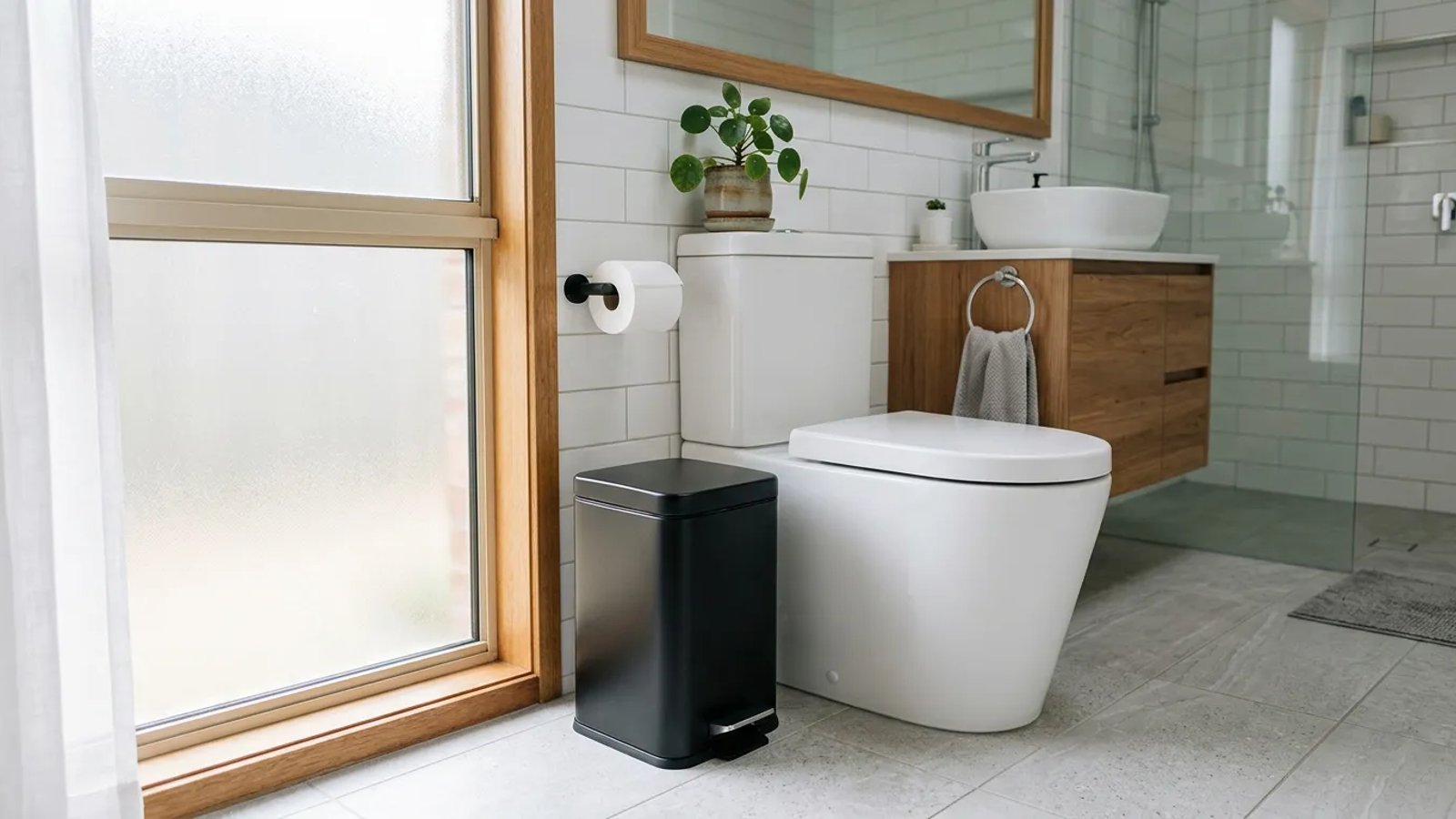
The golden rule of septic ownership is simple: if it is not human waste or septic-safe toilet paper, it goes in the trash. Even items that seem small or harmless can wreak havoc over the course of a few years. Here are the worst bathroom offenders that should never enter your plumbing.
Beyond wipes, you must keep feminine hygiene products, dental floss, cotton swabs, and paper towels far away from the toilet. Dental floss, in particular, is made of nylon or Teflon. It wraps around moving parts in your plumbing and creates a net that catches other debris. Cat litter is another major hazard; even the "flushable" clay varieties are designed to clump when wet, which translates to concrete-like blockages in your pipes.
If it hasn't passed through your body first, it probably doesn't belong in your septic tank.
I learned this the hard way during my first year in a rural property. A houseguest flushed a few paper towels over the weekend, and by Tuesday, water was backing up into the first-floor shower. A $450 emergency plumbing call later, I instituted a strict "toilet paper only" rule.
The Kitchen Sink: Garbage Disposals and Grease
Your toilet is not the only entry point to the septic tank. The kitchen sink is equally dangerous, primarily because of the garbage disposal. While disposals are incredibly convenient, they are the enemy of a healthy septic system. They grind up food scraps into tiny pieces that the tank's bacteria struggle to break down efficiently. This adds straight to your bottom sludge layer.
Fats, oils, and grease (often called FOG in the plumbing world) are even worse. Hot grease pours down the drain easily as a liquid, but once it hits the cool pipes underground, it solidifies. It coats the interior of your PVC pipes and adds a thick, impenetrable layer to the floating scum inside the tank.
- Cool your grease. Let cooking oil and animal fats cool slightly in the pan.
- Transfer to a disposable container. Pour the grease into an old glass jar, tin can, or heavy-duty cardboard container.
- Wipe the pan. Use a paper towel to wipe the remaining grease film from the skillet before washing it in the sink.
- Throw it away. Once the grease solidifies in the container, toss it in your household garbage.
Cleaning Products: Finding the Septic-Safe Balance
Because your tank relies on a delicate bacterial balance, the chemicals you use to clean your home matter. Heavy-duty antibacterial soaps, harsh chemical drain cleaners, and excessive bleach are designed to kill bacteria—and they do not stop working once they wash down the drain.
Using a standard 3/4 cup of bleach in a load of laundry once a week is generally fine. The 1,000 to 1,500 gallons of water in your tank will dilute it. But pouring a gallon of bleach down the drain, or using foaming chemical pipe uncloggers, can cause a massive die-off of your tank's microbial workforce. When the bacteria die, waste stops breaking down.
Signs Your Tank Needs Immediate Attention
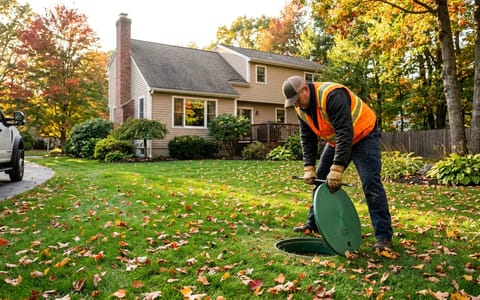
Even with perfect flushing habits, every septic tank eventually needs to be pumped. Solid sludge will inevitably build up over 3 to 5 years. Catching the warning signs early can mean the difference between a routine $300 pump-out and a $10,000 drain field replacement.
Listen to your plumbing. If your toilets are slow to flush, or if you hear a distinct gurgling sound coming from the shower drain when the washing machine runs, water is struggling to exit the house. You might also notice unusually lush, bright green grass growing directly over your drain field, or detect a faint sewage odor in the yard.
Protecting your septic system doesn't require a degree in wastewater management. It just requires a bit of mindfulness at the sink and the toilet. By keeping trash, grease, and harsh chemicals out of your pipes, you give the system exactly what it needs to function quietly and efficiently for decades to come.