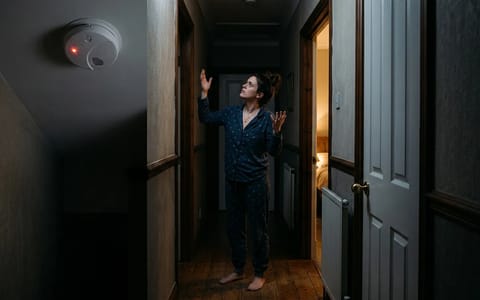
Lights Dim When the AC Turns On: Normal or a Warning Sign?
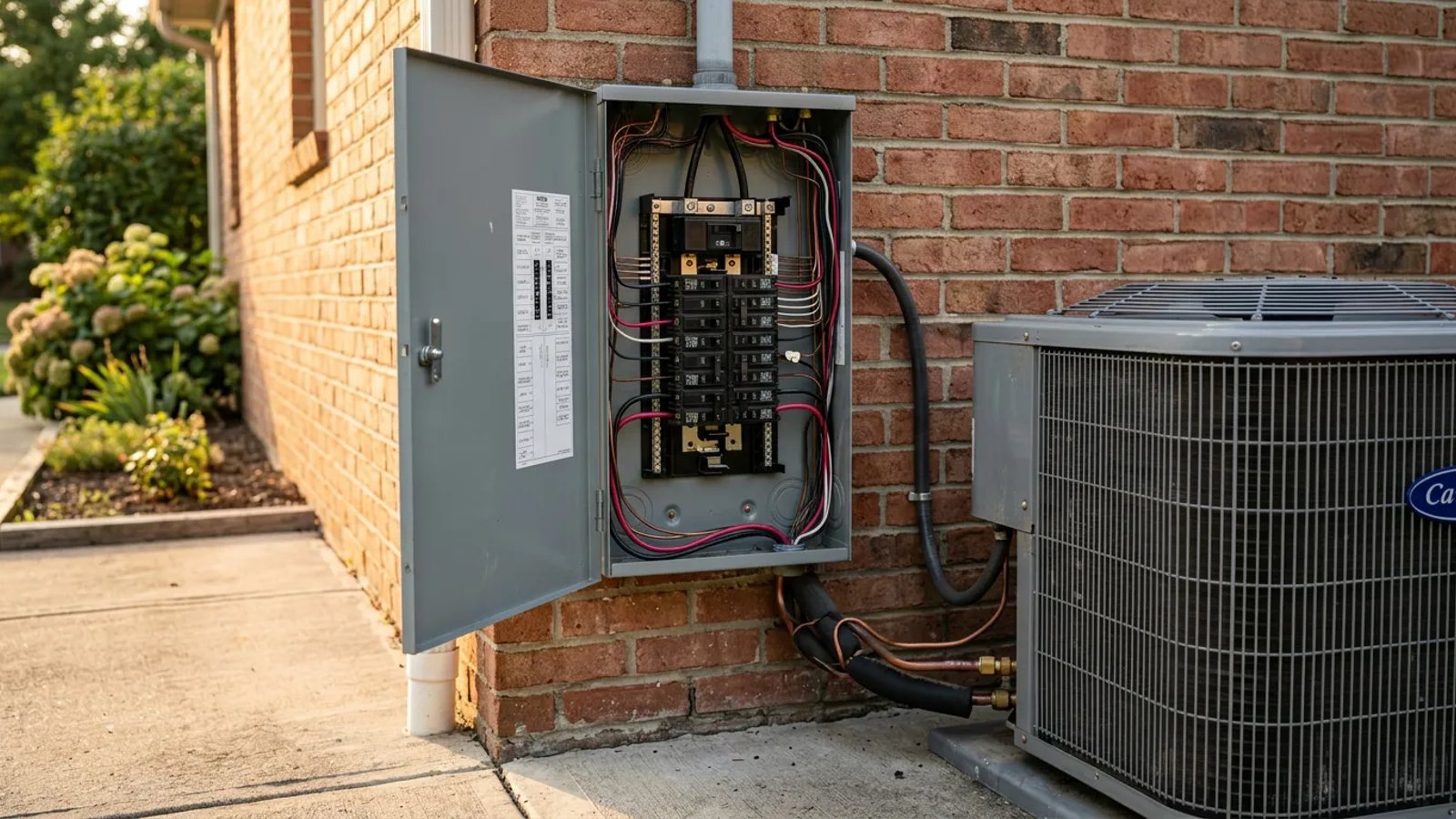
Does your house flicker like a haunted mansion every time the air conditioner kicks on? Learn why this happens, when it's a safety hazard, and how a simple hard start kit might fix it.
Full guide HVAC & Climate Control How your home heats, cools, and moves air, and the decisions that matter.You are sitting on the couch, the thermostat clicks, and the living room goes dark for a split second. Homeowners often panic when they see their lights dim when ac turns on. Most of the time, this quick flicker is just physics at work. But sometimes, it points to a failing part that could cost you thousands if ignored.
Air conditioners are the heaviest power users in most homes. When that big outdoor compressor asks your electrical panel for juice, it does not ask nicely. It demands a massive surge of electricity all at once. Understanding how your home handles that demand is the difference between a normal system quirk and a major fire hazard.
What Causes AC Dimming Lights?
The short answer is "inrush current." Inside your outdoor AC unit sits a compressor motor. To get that heavy motor spinning from a dead stop, it requires three to five times more power than it needs to keep running.
HVAC technicians call this measurement Locked Rotor Amps (LRA). If your AC compressor runs on 15 amps, it might pull 60 to 75 amps for a fraction of a second during startup. Because your house has a finite supply of electricity coming from the street, this sudden gulp of power causes a momentary drop in voltage across your entire electrical panel. The result? Your lights dim. A voltmeter can confirm these voltage dips.
When is a Slight Flicker Normal?
A momentary dimming that lasts less than half a second is usually fine. If the lights drop slightly in brightness and immediately return to normal, your electrical system is handling the inrush current correctly.
Last summer, I noticed the LED bulbs in my own living room dropping to half brightness every time the condenser kicked in. We measured the voltage drop at the panel and found the AC was pulling close to 80 amps on startup. After replacing a bulging $15 run capacitor, the heavy dimming vanished completely, leaving only a tiny, barely noticeable flicker.
According to guidelines from the National Fire Protection Association (NFPA), your home's electrical system should handle normal motor startups without severe voltage drops. If the dimming lasts longer than a second, or if the lights dim by more than 30%, you have a problem.
3 Signs Your Dimming Lights Are a Serious Warning
If your lights look like a horror movie special effect every time the AC runs, you need to investigate. Here are the three most common culprits.
1. A Failing Run Capacitor
The run capacitor is a silver, battery-looking cylinder inside your AC condenser. It acts like a temporary power boost to help the compressor start. When this capacitor gets weak or starts to bulge, the compressor struggles to turn on. It pulls more and more electricity from your house, dragging down the voltage for several seconds until it finally forces itself awake.
2. An Undersized Electrical Panel
Older homes built in the 1960s or 1970s often have 100-amp electrical panels. Modern central air conditioners, combined with electric ovens, dryers, and multiple heavy appliances, easily overwhelm a 100-amp service. If your panel is undersized, the AC startup pulls so much power that it starves the rest of the house.
3. A Loose Neutral Wire
This is the most dangerous scenario. If the neutral wire connecting your house to the utility grid becomes loose or corroded, the voltage in your home becomes highly unstable. You might notice lights in one room getting dim while lights in another room get dangerously bright. This imbalance can fry expensive electronics and start electrical fires.
How to Fix It: Installing a Hard Start Kit
If your electrical panel is properly sized and your neutral wire is tight, the most cost-effective fix is adding a "hard start kit" to your AC unit. A hard start kit is a specialized capacitor and relay that gives your compressor an extra jolt of stored energy during startup.
Instead of pulling 70 amps from your house panel, the compressor pulls a portion of that energy directly from the hard start kit. This drastically reduces the voltage drop in your house and stops the lights from dimming.
- Shut off the power. Pull the disconnect block near the outdoor unit and turn off the AC breaker in the main panel.
- Discharge the old capacitor. A pro will use an insulated screwdriver across the terminals to release stored energy safely.
- Mount the hard start kit. The new black capacitor is usually zip-tied or screwed into the existing control panel area.
- Wire it to the run capacitor. The two wires from the hard start kit connect directly to the "Herm" and "Common" terminals on the existing run capacitor.
- Test the startup. Restore power and listen. The AC should start faster, quieter, and without dimming the house lights.
Hard start kits are essentially a supercharged capacitor combined with a relay. When the AC unit attempts to start, the relay momentarily switches in the extra capacitor, providing a much larger burst of current directly to the compressor motor. This helps the motor overcome its initial inertia more easily and quickly. Once the motor is running, the relay disengages the extra capacitor, and the compressor operates on its standard run capacitor. This two-stage approach not only mitigates voltage drops but also reduces the stress and wear on the compressor, potentially extending its lifespan and improving overall efficiency.
There are different types of hard start kits, some designed for specific compressor sizes or types. Always ensure you purchase a kit compatible with your AC unit. While installation is relatively straightforward for those comfortable with electrical work, the high voltage involved makes it a task best left to a qualified HVAC technician if you have any doubts about safety or proper wiring.
Proactive Steps to Address AC Dimming Lights
While some dimming is normal, consistent or severe "AC dimming lights" are often a symptom that your system or electrical panel is working harder than it should. Taking proactive steps can often prevent these issues from escalating into costly repairs or dangerous situations. Regular maintenance is key, not just for your AC unit but for your entire home's electrical infrastructure.
Regular AC Maintenance and Inspections
Ensure your AC unit receives annual professional maintenance. A technician will clean coils, check refrigerant levels, inspect electrical connections, and test the capacitor. A clean, well-maintained unit runs more efficiently and puts less strain on your electrical system during startup. They can also identify a weakening capacitor before it fails completely.
Electrical Panel Assessments
For older homes, consider having a licensed electrician assess your electrical panel. They can determine if your current service (e.g., 100-amp) is sufficient for your home's modern electrical demands. An upgrade to a 200-amp service might be a significant investment, but it provides security and prevents issues like frequent breaker trips and voltage drops, ensuring your home can handle all appliances, including your AC, without struggle.
Monitor Other Appliance Loads
Pay attention to other large appliances. If your lights dim significantly only when the AC and, say, the electric dryer or oven run simultaneously, it indicates your electrical system is nearing its capacity. Spacing out the use of heavy-load appliances can temporarily alleviate the strain while you consider more permanent solutions.
Should You Call an Electrician or an HVAC Technician?
Figuring out who to call depends on exactly what happens when the lights dim.
If your lights get brighter in one room while dimming in another, shut off your main breaker immediately and call an electrician.
A momentary flicker when your cooling system kicks on is usually just a harmless sign of heavy machinery going to work. But paying attention to how long those lights stay dim can save you from a burned-out compressor or a dangerous electrical fault. Next time the thermostat clicks, watch the ceiling lights. If they bounce right back, grab a cold drink and enjoy the air conditioning. If they struggle, it is time to check that capacitor.
- A split-second flicker when the AC starts is usually normal 'inrush current'.
- If lights stay dim for more than two seconds, shut off the AC and inspect the unit to prevent compressor damage.
- Replacing a weak run capacitor costs $15-$30 in parts and prevents expensive compressor failure.
- Never ignore a loose neutral wire, as it poses a severe fire risk and requires an electrician.