
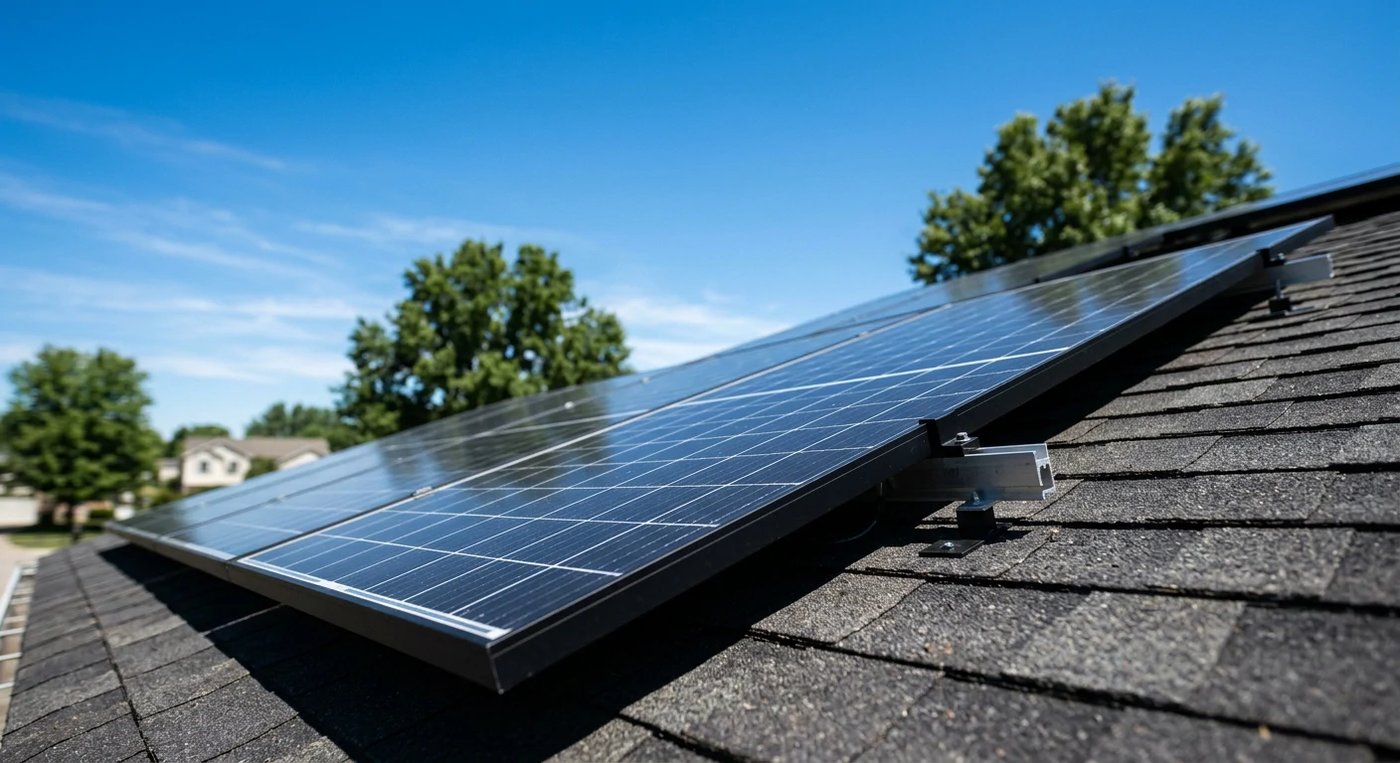
Making your home more energy-efficient is usually a smart long-term play, but the upfront costs can be daunting. Thankfully, new state financing and free federal scoring tools make it easier to figure out what your house actually needs and how to pay for it. But if solar is on your wish list, a quiet trade fight in Washington might change what ends up on your roof.
Getting a grade on your home
You can't fix a problem if you don't know it exists.
The Department of Energy has a free standardized tool to rate building efficiency. Multifamily buildings use the Building Energy Asset Score to get a 1 to 10 rating. Single-family homes use the separate Home Energy Score program.
The beauty of this system is what it actually measures. Instead of looking at your utility bills, which change based on whether you leave the lights on or take long showers, the score evaluates the permanent assets of the structure. It grades your roof, walls, windows, and HVAC systems. It's an objective look at the bones of your house. That gives you a clear roadmap for where an upgrade will actually save you money.
The fight over fake "Made in the USA" solar
If you're planning to add solar panels, you're probably factoring in tax credits. But a bipartisan group of lawmakers is raising alarms about where that money is really going.
According to pv magazine USA, lawmakers allege that some foreign manufacturers are using a loophole to dodge tariffs and siphon off U.S. domestic manufacturing tax credits. They are importing "blue wafers." These are silicon wafers that have already undergone diffusion to form a P/N junction, which allows them to convert light into electricity. Because this single step is roughly 80% of the total capital equipment investment required to make a solar cell, doing it overseas means the heavy lifting is already done.
Importers allegedly perform only minor finishing steps once the materials arrive in the U.S., just enough to slap a domestic label on them. Chinese-controlled entities currently dominate more than 90% of global wafer and cell production, so lawmakers are pushing the IRS to require strict proof of origin before handing out tax credits. For homeowners, this means the federal government is tightening the screws. They want to ensure the panels you buy actually support the American supply chain.
What's happening in your state
In Pennsylvania, paying for energy upgrades just got a little easier. The state Treasury is relaunching the Keystone Home Energy Loan Program, better known as Keystone HELP. About 14,000 homeowners used the previous version of the program to finance green upgrades, but those loans were capped at $15,000. The relaunched program bumps that ceiling up to $20,000. That gives you more breathing room to tackle big-ticket items like a new heating system or heavy-duty insulation.
The bottom line for you
- If your house feels drafty or your utility bills are creeping up, start by looking at your mechanicals. Our HVAC & Climate Control guide can help you decide if it's time to repair or replace your current system.
- Thinking about going green? The math changes constantly based on local incentives and federal rules. Check out our Solar Panels guide to see if the upfront costs make sense for your roof.
- For our readers in the Keystone State, take advantage of the summer weather to knock out maintenance before the cold returns. Walk through our Pennsylvania seasonal checklist to get your home winter-ready.