The Truth About Energy Loss
Windows and doors are big holes in your walls. They let heat escape in the winter and sneak inside during the summer. You might think you need brand new windows to lower your energy bills. That is not always true. Often, a cheap tube of caulk saves more money than a huge renovation. Your HVAC system works hard to keep you comfortable. Do not let that conditioned air leak outside.
Finding the Leaks
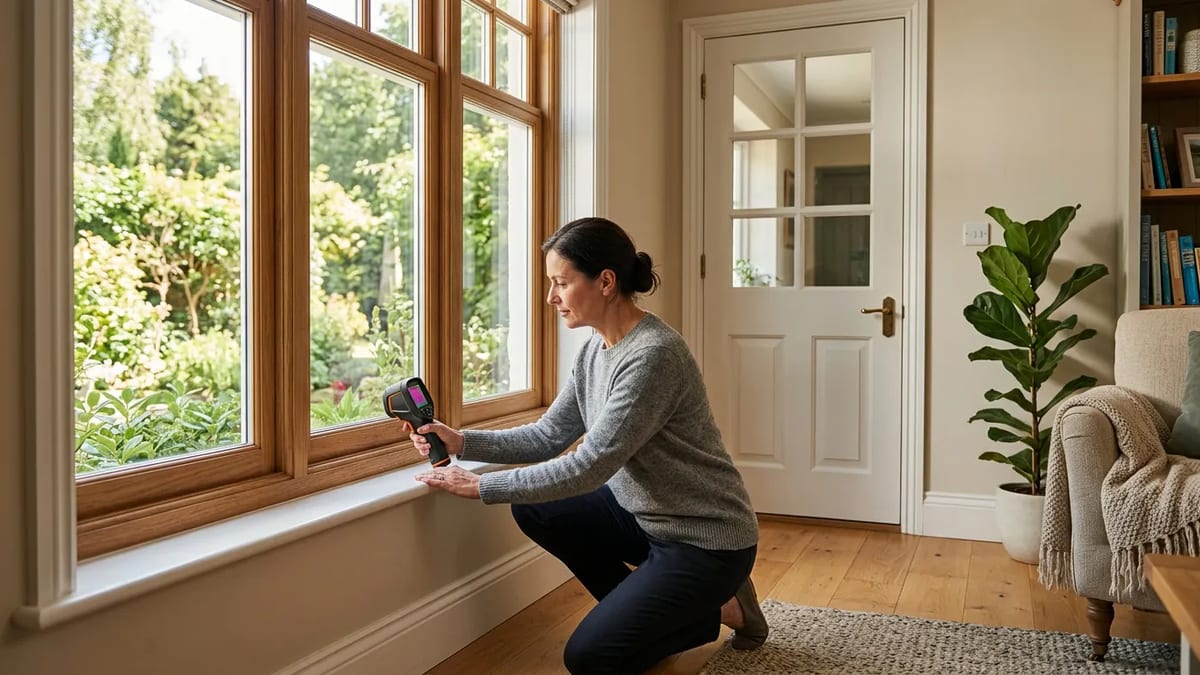
You cannot fix a draft if you cannot find it. Wait for a windy day. Hold a lit stick of incense or a candle near the edges of your windows and doors. If the smoke blows sideways, you have a leak.
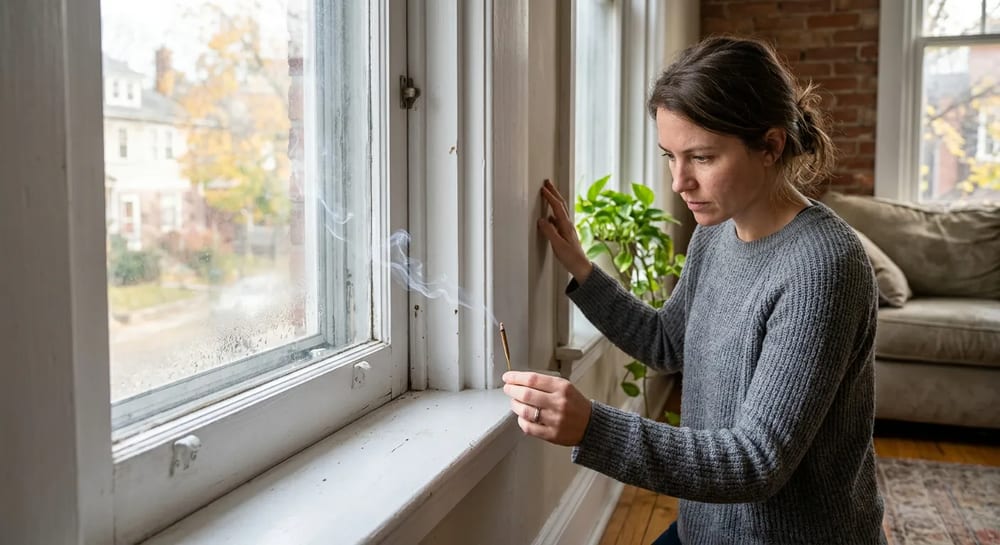
You can also wait until dark. Have a helper stand outside with a bright flashlight. Turn off the lights inside and look for light shining through the cracks around your doors. Anywhere light gets in, air gets in too.
Repair or Replace
How do you know if a window is dead? Some problems are easy to fix. Others mean the window is ruined. A broken glass seal or a rotting frame cannot be saved with caulk.
| Problem | Action | Estimated Cost |
|---|---|---|
| Drafty edges | Caulk or weatherstrip | $10 to $30 |
| Cracked glass pane | Replace glass only | $150 to $300 |
| Fog between panes | Replace glass unit | $200 to $400 |
| Rotting wood frame | Full replacement | $600 to $1,200 |
Keep in mind that these costs are just estimates. Prices vary heavily by your region, the scope of the work, and the age of your home.
Weatherstripping and Caulking
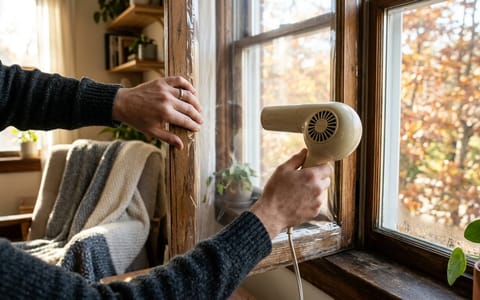
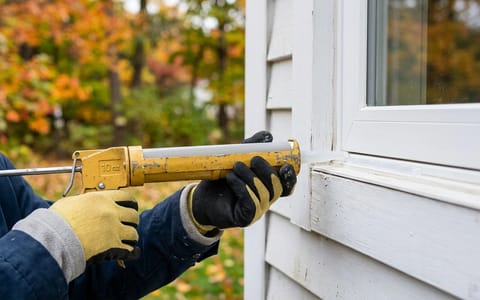
Caulk seals gaps between the window frame and the wall. Weatherstripping seals the moving parts. You need both to stop drafts. Remove old peeling caulk before you apply new stuff. Use a good exterior grade silicone caulk on the outside of your house.
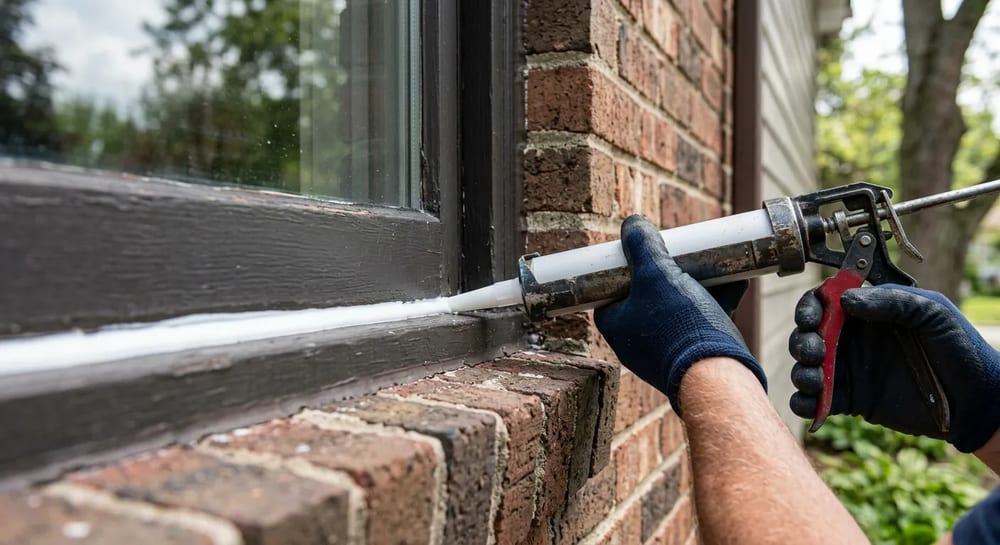
For moving sashes, stick on some foam or rubber weatherstripping. This takes a few hours and costs very little. If you notice soft wood around the frame while you work, you might have bigger issues with your exterior siding.
Window Replacement Costs
Sometimes you just need new windows. Single pane windows are terribly inefficient. If your house still has them, upgrading makes a huge difference. Vinyl windows are cheap and need zero maintenance. Wood windows look beautiful but cost more and need paint. Fiberglass sits in the middle.
If you hire someone to install them, check their references. Read our guide on hiring contractors to protect yourself from bad work.
Remember that these are ballpark numbers per window. Prices change based on your region, project scope, and home age.
Upgrading Your Exterior Doors
Your front door takes a beating from the sun and rain. Wood doors warp and swell. If your door sticks in the summer but shows gaps in the winter, the wood is moving. Fiberglass doors are a great upgrade. They look like wood but never warp. Steel doors are very secure and cheap, but they can dent and rust. A solid door also helps boost your home security.
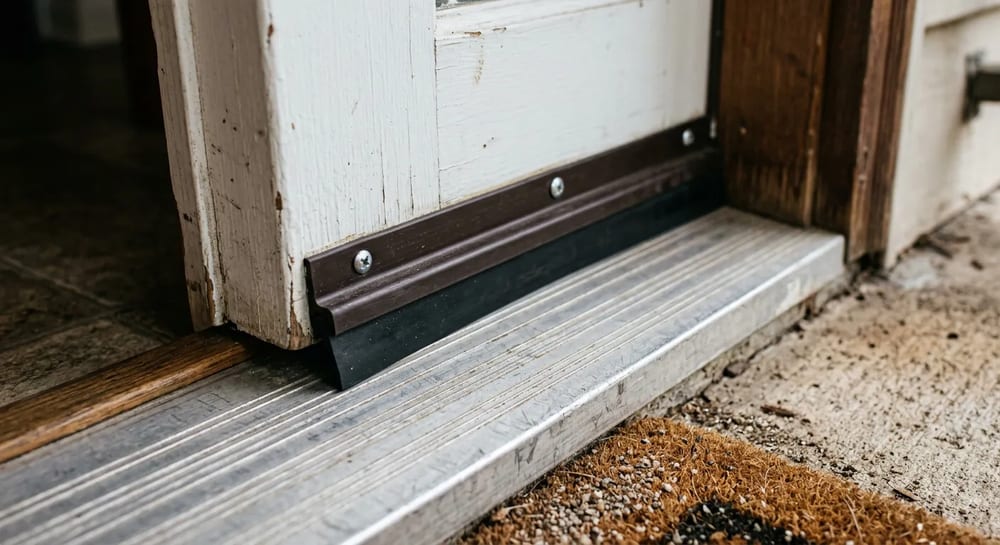
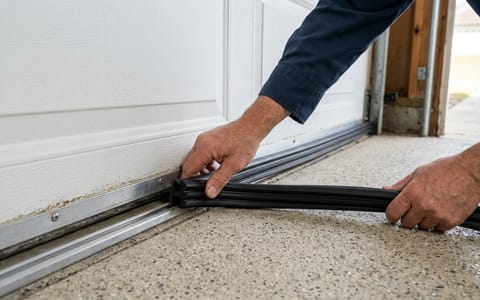
Do not forget the door sweep. This is the rubber strip at the very bottom of the door. It drags on the threshold to block wind and bugs. Sweeps wear out every few years. You can unscrew the old one and slide a new one into place in five minutes.
How Much Window Replacement Really Costs
The most common question homeowners ask is simple. How much does it cost to replace a window? The honest answer is that it depends. The cost of a replacement window changes based on the size, the frame material, and whether the wall needs repair. A small bathroom window costs far less than a giant picture window. A standard double hung replacement window usually runs between 350 and 850 dollars installed. A large front window or a bay window can climb past 1,500 dollars.
There are two ways to buy new windows. An insert replacement slides into your old frame, which keeps the labor cheap. A full frame replacement tears everything out down to the studs, which costs more but fixes rotting wood. If you are replacing windows across the whole house, ask for a per window price and a bulk discount. Most crews charge less per unit when they do ten at once.
| Window Type | Typical Installed Cost | Notes |
|---|---|---|
| Standard double hung | $350 to $850 | The most common size |
| Front picture window | $700 to $1,500 | Large single pane of glass |
| Bay or bow window | $1,500 to $3,500 | Multiple angled panes |
| Sliding patio door | $1,000 to $2,500 | Counts as a large glass unit |
| Whole house (10 windows) | $5,000 to $12,000 | Ask for a bulk rate |
These numbers are estimates only. Your final price shifts with your region, the project scope, and the age of your home. Always get three written quotes before you sign anything. A quote that is far lower than the others is a red flag, not a deal. For help comparing bids, read our guide on contractors and costs.
Garage Door Maintenance
Your garage door is the largest moving part in your entire house. It runs on springs, rollers, and a track that all wear out over time. A little garage door maintenance twice a year keeps it quiet and safe. Skip it, and you risk a snapped spring or a door that slams shut on its own. Most of this work takes fifteen minutes and a can of spray lubricant.
Start by listening. A smooth door is a quiet door. Grinding, squealing, or banging means something needs grease or adjustment. Watch the door travel up and down. It should move evenly without jerking or pausing.
A Simple Garage Door Tune Up
- Disconnect the opener and lift the door by hand. It should glide and stay put halfway up. If it slams down, the springs are failing and you need a pro.
- Spray a garage door specific lubricant on the rollers, hinges, and springs. Never use grease, which gathers dirt.
- Tighten every bolt and bracket on the track and the door panels. Vibration loosens them over time.
- Wipe the photo eye sensors near the floor. Dust on these makes the door refuse to close.
- Test the auto reverse. Lay a roll of paper towels on the floor in the door path. The door must bounce back up when it touches them.
| Symptom | Likely Cause | Fix |
|---|---|---|
| Loud grinding noise | Dry rollers and hinges | Lubricate moving parts |
| Door reverses before closing | Dirty or misaligned sensors | Clean and realign photo eyes |
| Door feels very heavy by hand | Worn or broken spring | Call a pro, do not DIY |
| Door wont stay open halfway | Spring tension is off | Professional adjustment |
Door Repair and Weatherstripping
Doors fail in small annoying ways long before they fail completely. A drafty edge, a sticking latch, or a worn seal is usually a cheap fix. Knowing the difference between a quick door repair and a full replacement saves you a lot of money. Most door problems come down to worn weatherstripping, loose hinges, or a frame that has shifted.
How to Replace Door Weather Stripping
Door weather stripping is the foam or rubber seal around the inside of the frame. When you feel cold air or see daylight around a closed door, this seal has failed. Replacing it is one of the easiest energy fixes in the whole house.
- Open the door and look at the seal running along the frame. Note whether it is the stick on foam type or the kind that slides into a groove.
- Peel or pull out the old strip. Scrape off any leftover adhesive with a putty knife.
- Measure each side of the frame and cut the new strip to length. Buy a kit that matches your seal type.
- Press the new strip into place. Close the door to check the fit. It should touch the door without making it hard to shut.
| Door Problem | Fix | Estimated Cost |
|---|---|---|
| Drafty edges | New weatherstripping | $10 to $25 |
| Cold air under the door | New door sweep | $10 to $20 |
| Sticking or rubbing door | Tighten hinges or plane edge | $0 to $40 |
| Foggy or leaking shower door | Replace seal and sweep strip | $15 to $40 |
| Cracked or rotted slab | Replace the door | $200 to $800 |
Shower door repair is its own small project. The clear vinyl strip along the bottom of a glass shower door is a sweep, just like an exterior door. When water leaks onto the floor, that strip is usually torn or missing. It slides off and a new one slides on for a few dollars. If the glass itself is cracked, replace the whole panel rather than risk it shattering.
When the door slab itself is rotted, warped, or split, repair stops making sense. At that point a full replacement door is the smarter spend, and it boosts both your comfort and your security. For exterior swelling and material choices, see the door section above.
Dealing with Condensation
Water droplets on your glass can be tricky to diagnose. If the water is on the inside of the room, your house is too humid. Turn on your bathroom fans. If the water is trapped between two pieces of glass, the window seal is broken. The insulating gas leaked out.
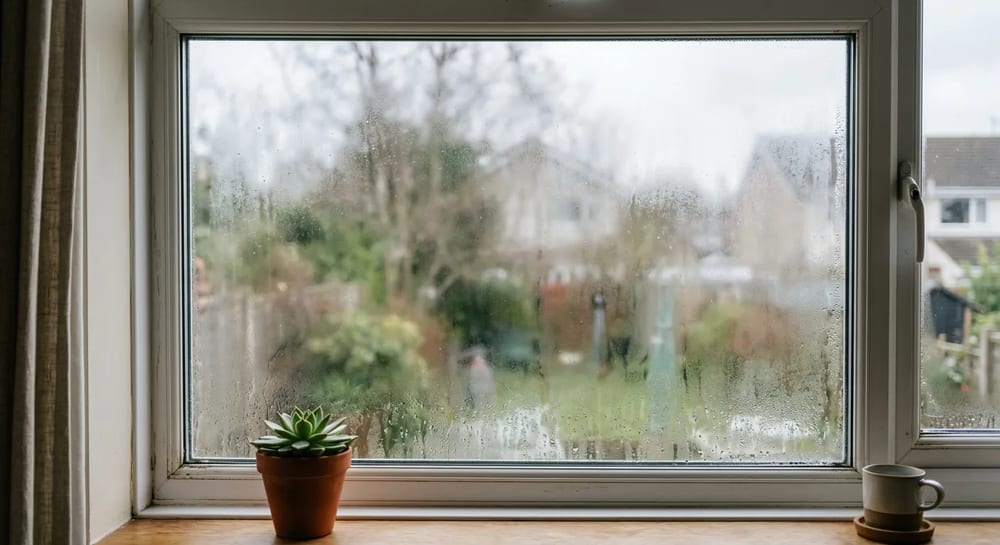
You cannot fix a broken seal. You have to replace the glass unit or the whole window.
If you see lots of bugs near a rotting frame, you might need pest control to clear them out before you put a new window in.