The Physics of Comfort
Your home does not actually make cold air. It moves heat. Understanding your HVAC (Heating, Ventilation, and Air Conditioning) system starts with this fundamental law of thermodynamics. A furnace generates heat through combustion or electrical resistance, but an air conditioner or heat pump acts as a sponge. It absorbs heat from inside your living room and wrings it out into the backyard.
A modern climate control system balances three variables: temperature, humidity, and airflow. Miss one, and the house feels miserable regardless of what the thermostat reads. High humidity makes a 72-degree room feel like a swamp. Poor airflow leaves the upstairs baking while the basement freezes.
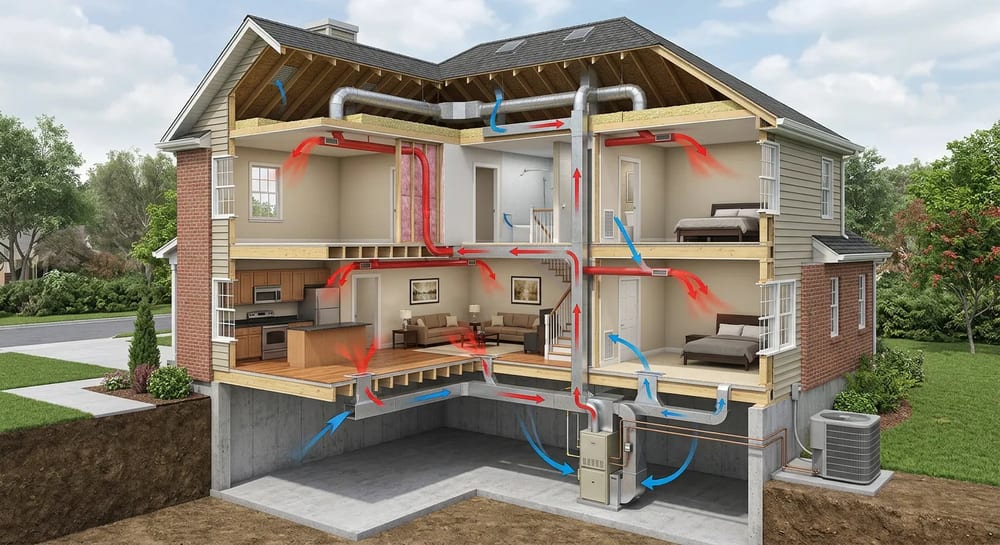
Heating: Furnaces, Boilers, and Heat Pumps
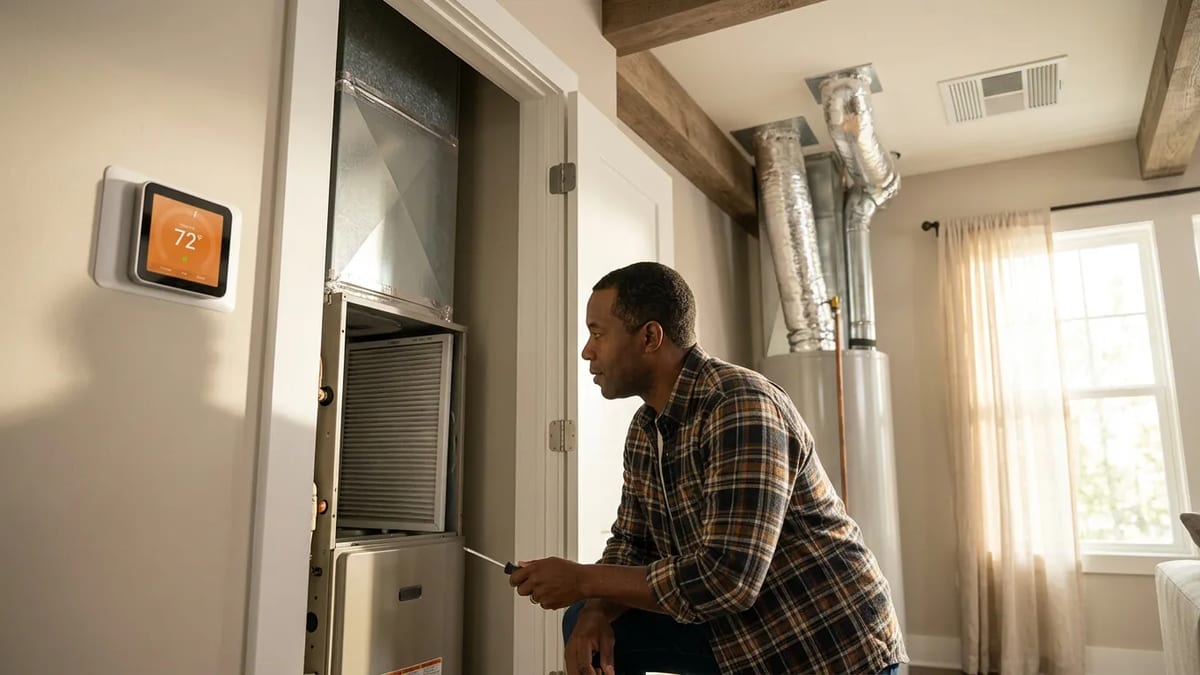
Most US homes rely on forced-air furnaces, which burn natural gas, propane, or fuel oil to heat a metal heat exchanger. The blower motor pushes return air over this hot metal, warming it before sending it through the supply ducts. High-efficiency gas furnaces (rated 90% AFUE or higher) extract so much heat from the exhaust that they vent through PVC pipes rather than traditional metal chimneys.
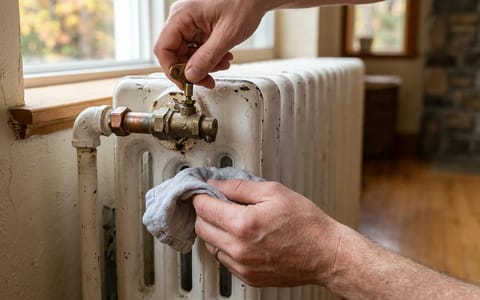
Boilers, on the other hand, use water. They pump heated water or steam through radiators or radiant floor tubing. Radiant heat is exceptionally comfortable because it warms objects and people directly rather than blowing dry air around, but it generally cannot provide cooling.
Heat pumps are air conditioners that can run in reverse. In winter, they scavenge ambient heat from the outside air, yes, even when it is freezing out, and pump it indoors. Modern cold-climate heat pumps maintain efficiency down to -15 degrees Fahrenheit. Because they move heat rather than create it, they are massively more efficient than traditional electric resistance heating.
| System Type | Lifespan | Typical Efficiency | Average Install Cost |
|---|---|---|---|
| Gas Furnace (Standard) | 15 to 20 years | 80% AFUE | $3,500, $5,500 |
| Gas Furnace (High-Efficiency) | 15 to 20 years | 90 to 98% AFUE | $4,500, $7,500 |
| Air-Source Heat Pump | 12 to 15 years | 15 to 20 SEER2 | $6,000, $12,000 |
| Hydronic Boiler | 20 to 30 years | 85 to 95% AFUE | $7,000, $14,000 |
Note: All cost ranges are estimates. Actual prices vary heavily by region, installation complexity, and the age or condition of your home's existing infrastructure.
Cooling: The Refrigeration Cycle
Central air conditioning relies on a closed loop of chemical refrigerant. The heavy lifting happens at the compressor, the noisy metal box sitting outside your house. The compressor pressurizes the refrigerant gas, making it extremely hot. A fan blows outside air over the condenser coils to cool this gas back into a high-pressure liquid.
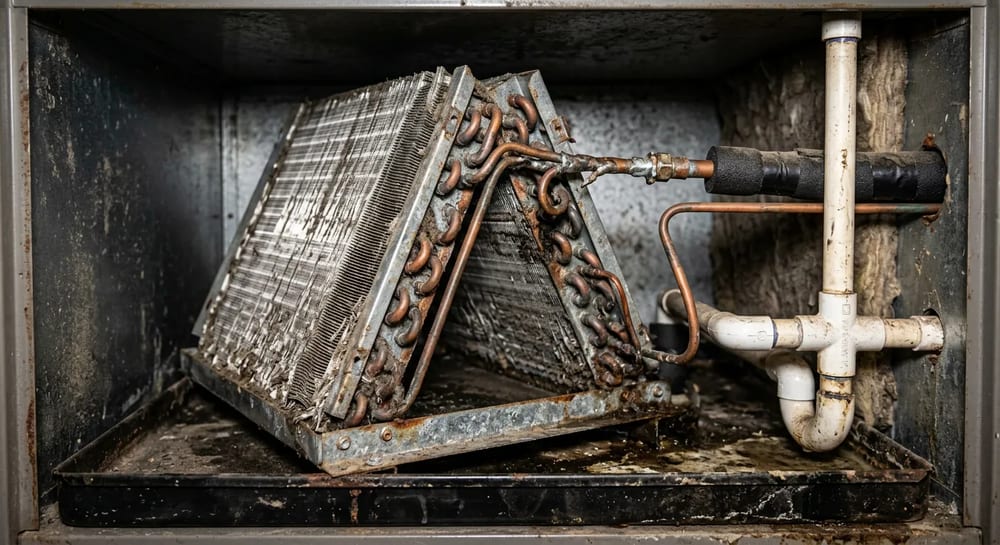
This liquid travels inside to the evaporator coil, which sits just above your furnace blower. As the liquid passes through an expansion valve, its pressure drops rapidly. It boils into a gas, turning the coil ice-cold. Warm indoor air blows over this cold coil, dumping its heat and moisture. The cooled air pushes into your rooms, and the warmed refrigerant gas heads back outside to repeat the cycle.
AC Maintenance: Keeping Your System Healthy
Air conditioner maintenance is the single highest-return habit a homeowner can build. A neglected unit does not just cost more to run; it dies years early. Most of the maintenance of an AC system that actually matters is simple enough to do yourself, and the rest is a once-a-year tune-up from a professional. The goal is constant, unobstructed airflow over clean coils with the right amount of refrigerant.
Two coils do the work: the indoor evaporator coil that gets cold, and the outdoor condenser coil that dumps heat. Both must stay clean. Indoors, that means changing the filter on schedule. Outdoors, it means clearing leaves, grass clippings, and cottonwood fuzz out of the condenser fins. A clogged condenser cannot reject heat, so the compressor runs hotter and longer, and your electric bill climbs while the house never quite cools.
A Seasonal DIY Tune-Up
Run through this checklist each spring before the first heat wave. Always kill power at the outdoor disconnect box and the breaker before touching the condenser.
- Replace or wash the indoor air filter. Check it monthly during peak season.
- Cut power at the disconnect, then gently rinse the outdoor condenser coil from the inside out with a garden hose (never a pressure washer, which bends the fins).
- Clear at least two feet of space around the condenser. Trim back shrubs and pull weeds growing through it.
- Pour a cup of distilled vinegar down the condensate drain line to prevent the algae clog that causes water leaks and shut-offs.
- Straighten any bent aluminum fins with a cheap fin comb so air can pass through.
- Listen for grinding or buzzing on startup and watch that the unit cools the supply air by roughly 15 to 20 degrees.
| Symptom | Likely Cause | DIY or Pro |
|---|---|---|
| Weak airflow from vents | Clogged filter or blocked return | DIY filter swap first |
| AC runs but air is not cold | Dirty coils or low refrigerant | Clean coils DIY; refrigerant is Pro |
| Ice on the indoor coil or copper line | Low airflow or low refrigerant | Shut it off, thaw, call a Pro |
| Water pooling near the furnace | Clogged condensate drain line | DIY vinegar flush |
| Outdoor fan spins but no cooling | Failed capacitor or compressor | Pro |
Swamp Coolers: Evaporative Cooling Explained
In the dry climates of the American Southwest and the Canadian prairies, many homes skip refrigerant-based air conditioning entirely and use a swamp cooler, also called an evaporative cooler. Instead of a compressor and refrigerant, a swamp cooler works on a far older principle: water evaporating into dry air pulls heat out of that air, the same way sweat cools your skin. A blower pulls hot outdoor air through wet pads, and the cooled, humidified air is pushed into the house.
The trade-off is simple. An evaporative cooler uses a fraction of the electricity of a central AC and adds moisture to bone-dry indoor air, which feels great in the desert. But it only works when the outdoor humidity is low. On a humid day the air cannot absorb more water, so the cooler just blows damp, lukewarm air. Swamp coolers also need a window or vent cracked open so the humid air has somewhere to escape, unlike a sealed-up central AC house.
| Factor | Swamp Cooler | Central AC |
|---|---|---|
| Best climate | Hot and dry | Any, including humid |
| Energy use | Very low (a fan and pump) | High (compressor) |
| Effect on humidity | Adds moisture | Removes moisture |
| Window position | Needs a window cracked | House sealed up |
| Install cost | $1,000 to $3,000 | $5,000 to $12,000 |
| Water use | 3 to 15 gallons per day | None |
Costs vary by region, home size, and whether ductwork already exists. Portable swamp coolers for a single room start under a few hundred dollars and need no installation at all.
Maintaining an Evaporative Cooler
Evaporative coolers demand more seasonal attention than a sealed AC because water and minerals are constantly cycling through them. Each spring, replace the cooling pads (they stiffen with mineral scale), scrub mineral deposits out of the water reservoir, and check that the float valve shuts the water off at the right level. Each fall, drain the reservoir, disconnect the water supply, and cover the unit so freezing water does not crack the pump or pan. Running a bleed-off line that periodically dumps mineral-heavy water keeps scale from building up on the pads through the season.
Choosing a Heat Pump
The air-source heat pump has gone from a Sunbelt afterthought to the default upgrade for homeowners across the US and Canada, because a single unit both heats and cools and does so using only electricity. As covered above, a heat pump moves heat rather than burning fuel to make it, which is why it can deliver two to four units of heat for every unit of electricity it consumes. That efficiency, plus the wave of utility and government rebates many homeowners now qualify for, is what is driving the switch.
Not all heat pumps are equal. A standard air-source heat pump loses capacity as the temperature drops, while a cold-climate model (look for the ENERGY STAR Cold Climate designation) keeps most of its output well below freezing. Ductless mini-splits mount on the wall and need no ductwork, making them ideal for additions, older homes, or zoning a single room. Ducted central heat pumps replace a furnace-and-AC pair and reuse existing ducts.
| Heat Pump Type | Best For | Typical Install Cost |
|---|---|---|
| Ducted central (single zone) | Homes with good existing ductwork | $6,000 to $12,000 |
| Ductless mini-split (1 zone) | Additions, single rooms, no ducts | $3,500 to $7,000 |
| Multi-zone mini-split | Whole-home, room-by-room control | $8,000 to $20,000 |
| Cold-climate (any of the above) | Northern US and Canada | Add 10 to 20% |
Many regions offer significant rebates and tax credits that can offset a large share of these figures, but eligibility depends on your location, utility, and income. Always confirm current programs before you buy.
Should You Keep a Backup Furnace?
In milder climates a heat pump can be your only heating source. In cold regions, many homeowners install a dual-fuel (hybrid) system: the heat pump handles most of the year, and a gas furnace kicks in automatically on the coldest nights when electric heating gets expensive or capacity drops. If you are replacing only the AC and your furnace is healthy, a dual-fuel pairing is often the most cost-effective path. If both are aging, a single cold-climate heat pump may be enough on its own.
Ductwork: The Hidden Highway
You can buy the most expensive, highest-efficiency heat pump on the market, but if it connects to undersized, leaky ductwork, you will bleed money. Ducts are the lungs of the house. They must be balanced. The system needs to pull in exactly as much air through the return vents as it pushes out through the supply registers.
Static pressure measures the resistance to airflow in your ducts. Too much resistance, often caused by crushed flex ducts, undersized returns, or overly restrictive air filters, forces the blower motor to work harder. This drastically shortens the lifespan of the motor and reduces the system's ability to cool or heat the home.
Indoor Air Quality and Filtration
Your HVAC filter exists primarily to protect the equipment, not your lungs. A layer of dust just one-sixteenth of an inch thick on an evaporator coil can reduce system efficiency by 20%. It insulates the coil, preventing heat transfer and often causing the coil to freeze solid in summer.
Filters are rated on the MERV (Minimum Efficiency Reporting Value) scale. A standard fiberglass filter (MERV 1-4) stops large debris like pet hair. Pleated filters (MERV 8-11) catch pollen and dust mites. Hospital-grade filters (MERV 13+) catch bacteria and smoke particles.
Repair or Replace: Making the Call
HVAC equipment rarely dies a quiet death. It usually fails on the hottest or coldest day of the year. Deciding whether to repair an aging unit or replace it entirely comes down to the cost of the fix, the age of the equipment, and the type of refrigerant it uses.
The industry is actively phasing out older refrigerants due to environmental regulations. R-22 (Freon) is obsolete and astronomically expensive to recharge. Its replacement, R-410A (Puron), is currently being phased out in favor of mildly flammable, lower-GWP (Global Warming Potential) refrigerants like R-454B. If your R-410A system suffers a catastrophic compressor failure or a major coil leak after 10 years of service, replacing the entire system is often the more financially sound choice.
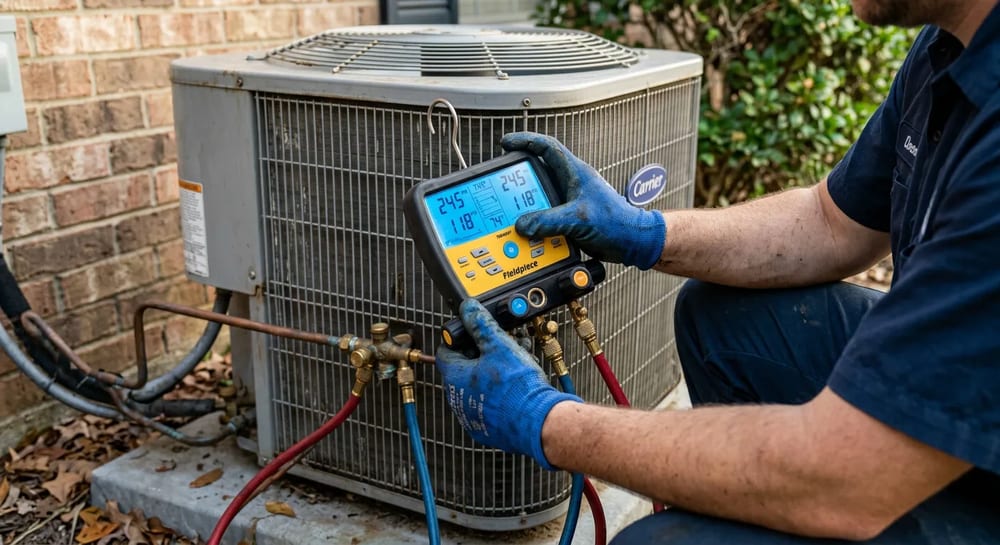
Typical Major Repair Costs
Below are ballpark costs for major HVAC component replacements. As always, these figures depend heavily on regional labor rates and equipment size.