
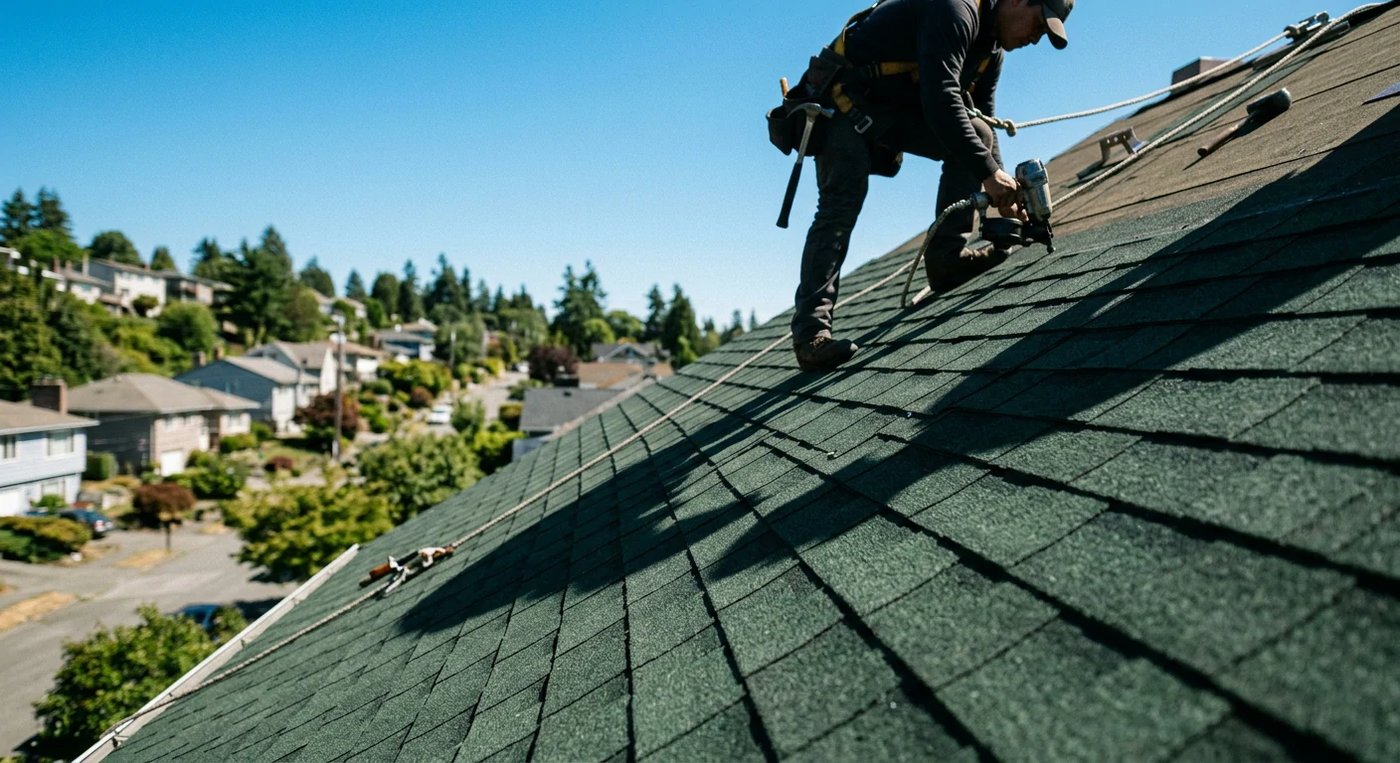
If you feel like there's a contractor's truck parked on every street in your neighborhood, you aren't imagining things. Moving is off the table for millions of us. So we've traded weekend DIY projects for serious home upgrades, turning the humble remodel into a massive, high-tech industry.
The end of the weekend warrior
Before the pandemic, a lot of home improvement meant a Saturday trip to the hardware store and a hopeful attitude. Today, the industry is entirely different. Property owners are pouring massive money into their current spaces, and they're hiring experts to do the heavy lifting. Instead of sketching floor plans on napkins, you can now expect contractors to walk you through 3D design visualizations before a single wall comes down, according to USA Today. That tech takes the guesswork out of big swings like sunrooms and garage conversions. You see exactly how the light hits your new layout. But this high-tech planning is also born of necessity. Rising costs for materials and labor have squeezed profit margins for remodelers. To stay afloat, the best crews have to be highly efficient and precise with their estimates.
Surgical upgrades over gut jobs
The current strategy for upgrading a home looks a lot like managing a sports team. As Ryan Reynolds recently told The New York Times about his soccer club, the goal is often "making the kitchen work better, rather than doing a whole-house renovation." Homeowners are taking exactly that approach. Nobody wants to attempt a move in a brutal housing market, and few want to gut a property to the studs. People are making targeted, high-impact changes to maximize the footprint they already have.
This surge in demand has completely changed who actually does the work. The Joint Center for Housing Studies reports that massive corporate giants are losing their grip on the market. A huge wave of independent, local contractors has stepped in to handle the boom. That influx brought real diversity to the trades, with minority-owned businesses capturing a much larger share of the industry.
What's happening in your state
The boom in local pros isn't spread evenly across the map.
Your experience trying to hire a crew will depend heavily on your zip code. If you live in Louisiana, Kansas, Texas, or Hawaii, finding someone to build that addition might be getting easier. The number of remodeling establishments per capita more than doubled in those states over a ten-year stretch, which creates a highly competitive market for your business. But the contractor pool is much tighter in Maryland, Virginia, Missouri, and West Virginia, where business growth was 25 percent or less. In those regions, the best builders are probably booked out months in advance.
The bottom line for you
- More local businesses mean you have more options, but you still need to vet them carefully. If you're planning a major project this year, brush up on how to hire contractors and what things cost before handing over any deposits.
- Think surgically about your own space. You don't always need an addition to change how a home feels. A fresh approach to your interior paint, drywall, and trim can completely wake up a tired room for a fraction of the price.
- If you live in a state where contractor growth is sluggish, expect longer wait times. Homeowners tackling projects in Virginia or Maryland should start collecting bids months before they actually want the work to begin.