
Finding Reliable Pros
Finding a good contractor is one of the biggest challenges of owning a home. Start by asking friends and neighbors for personal recommendations. You can also visit local plumbing or lumber supply houses and ask the folks behind the counter who they recommend. They know which contractors buy quality materials and pay their bills on time.
Online review sites can be helpful, but take them with a grain of salt. Many online platforms are simply lead generation services that sell your contact information to the highest bidder. A personal referral is almost always your best bet.
The Three Quote Rule
Always get at least three written estimates for any project over a thousand dollars. This helps you understand the market rate in your area. If one quote is wildly cheaper than the others, the contractor might be cutting corners or missing a big part of the job.
When you review the three quotes, the middle price is often the safest choice. It usually means the contractor pays their workers fairly and uses decent materials, without overcharging you.
Red Flags to Watch For
A bad contractor can cost you thousands of dollars and leave your home in a mess. Watch out for pros who knock on your door offering a special deal because they have leftover materials from a nearby job. This is a common scam.
Other red flags include contractors who only accept cash, refuse to put the estimate in writing, or ask you to pull the building permits yourself. A licensed professional will handle the permit process for you. If you are dealing with a sudden problem, read up on handling home emergencies so you do not make a rushed hiring decision out of panic.
Hiring a Handyman for Small Jobs
Not every repair needs a licensed specialist. For the long list of little fixes around the house, a good general handyman is your best friend. A handyman service handles the odd jobs that fall between the trades: hanging a ceiling fan, patching a wall, caulking a tub, fixing a sticky door, mounting a TV, or swapping a leaky faucet. Hiring one pro for an afternoon of small tasks is far cheaper than calling out a plumber, an electrician, and a carpenter separately.
When you search for a local handyman service in your area, you will find everyone from a one-person operation to a franchised company with a fleet of trucks. The solo handyman is usually cheaper and more flexible, while a company offers guaranteed insurance and a dispatcher who answers the phone. Either way, ask about how they bill before they start.
| Job Type | Typical Time | Estimated Cost |
|---|---|---|
| Mount a TV on the wall | 1 to 2 hours | $75 to $200 |
| Hang a ceiling fan | 1 to 3 hours | $100 to $300 |
| Patch and paint a small wall | 2 to 4 hours | $150 to $400 |
| Replace a faucet | 1 to 2 hours | $100 to $250 |
| Half-day list of small fixes | 4 hours | $200 to $500 |
Most handymen charge either an hourly rate, usually 50 to 100 dollars, or a flat fee per task. Many have a minimum charge of one to two hours, so it pays to save up a batch of small jobs and knock them all out in one visit. Prices vary by region and the age of your home.
Be aware of the legal line. In most states, a handyman can only perform jobs under a certain dollar amount, often between 500 and 1,000 dollars, before a contractor license is required. They also should not be touching major electrical panels or moving gas lines. For anything structural or system-level, hire the licensed trade instead.
Finding a Good Contractor Near You
Searching "contractors near me" online will flood you with sponsored listings and lead-generation sites, but a few of those results are not actually local pros at all. The goal is to find a good contractor near you who has a real reputation in your community, not just the biggest advertising budget. Here is how to separate the genuine local talent from the noise.
- Start with people, not search engines. Ask neighbors, your mail carrier, or the staff at a local supply house who they trust. A name that comes up twice is worth a call.
- Confirm they are truly local. A contractor based 60 miles away will add travel time to your bill and may be slow to return for warranty work. Favor pros who actually work in your town.
- Verify license and insurance. Look up their license number on your state or provincial website and confirm the policy with their insurer. Skip anyone who will not share both.
- Read reviews with a skeptical eye. Look for detailed reviews that mention the contractor by name and describe the actual work. A wall of vague five-star ratings posted on the same day is a red flag.
- Ask for recent local references. A good contractor will gladly give you two or three nearby addresses where they have worked. Drive by or call those homeowners.
| Where You Found Them | Trust Level | What to Watch For |
|---|---|---|
| Personal referral from a neighbor | Highest | Confirm they did the same type of work |
| Local supply house recommendation | High | They favor pros who pay bills on time |
| Detailed online reviews | Medium | Watch for fake or paid-for ratings |
| Lead-generation app or directory | Low | Your info is sold to several bidders |
| Door-to-door solicitation | Lowest | Common scam; verify everything twice |
Once you have two or three solid candidates, fall back on the basics: get three written quotes, compare the same scope of work, and put everything in a signed contract before any work begins.
Understanding Contractor Pricing
A contractor quote includes much more than just the hourly wage of the person swinging the hammer. The price covers labor, materials, permits, and overhead. Overhead includes things like their work truck, tools, insurance, and licensing fees.
Contractors also build in a profit margin. A typical profit margin ranges from 15 to 25 percent. This is how they keep their business running. Keep in mind that all costs vary widely by region, the scope of your project, and the age of your home.
Typical Hourly Rates by Trade
When a pro comes to your house for a small repair, they usually charge an hourly rate plus a minimum callout fee. This fee covers their travel time and gas. Here is a look at typical hourly rates for common trades in the US.
| Trade Professional | Typical Hourly Rate | Minimum Callout Fee |
|---|---|---|
| Plumber | $75 to $150 | $100 to $200 |
| Electrician | $65 to $130 | $100 to $150 |
| HVAC Technician | $75 to $150 | $100 to $200 |
| General Handyman | $50 to $100 | $75 to $125 |
Remember that rates in high cost coastal cities will be at the very top of these ranges, while rural areas might sit closer to the bottom.
Common Project Cost Estimates
Big replacements are a major shock to a new homeowner. It helps to know the ballpark numbers before a system fails. Remember that these ranges vary based on your location, the size of your home, and the specific materials you choose.
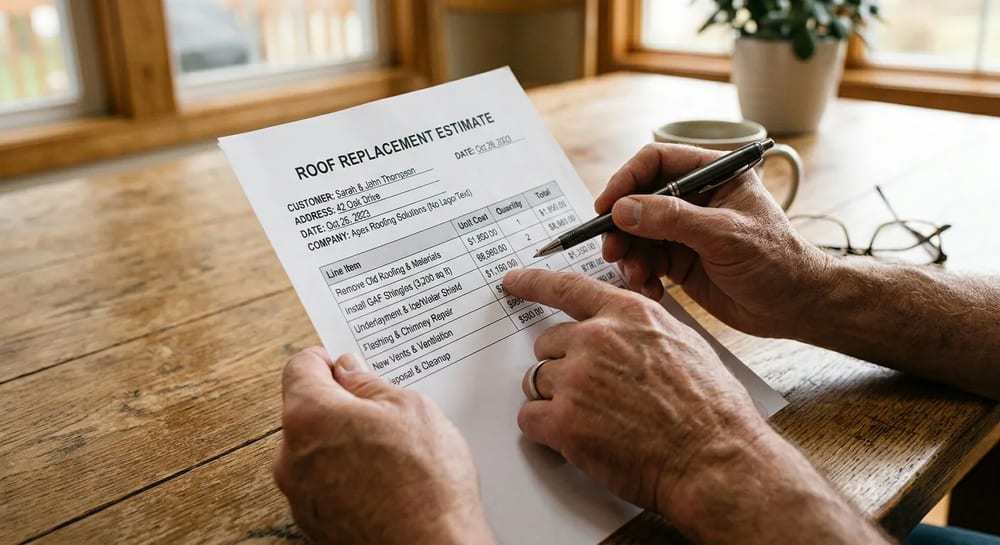
Here is a breakdown of what some major home projects typically cost.
If you are thinking about tackling a project yourself to save money, weigh the risks first. Some jobs are great for beginners, but others require a licensed pro. Check out our guide on DIY vs hiring a pro before you start tearing down walls.
Hiring a Drywall Contractor
Drywall damage is one of the most common reasons homeowners search for a contractor. A doorknob punches a hole, a leak leaves a brown stain, settling cracks the corners, or a remodel leaves bare studs that need new board hung and finished. A drywall contractor handles all of it, from a single patch to hanging and taping an entire room. Knowing the going rates helps you spot a fair quote.
Drywall work is priced one of two ways. Small repairs are usually a flat fee per patch, while big jobs like a new room are priced by the square foot of board hung and finished. The finish level matters: a closet can get a rough finish, but a wall in raking light from a window needs a smooth, sanded "level five" finish that costs more.
| Drywall Job | Typical Cost | Notes |
|---|---|---|
| Small hole patch (under 6 inches) | $100 to $300 | Often a minimum service charge |
| Large hole or water-damaged section | $300 to $800 | May need to match texture |
| Hang and finish, per square foot | $2 to $4 | Includes tape, mud, and sanding |
| Full single room (12 by 12) | $1,000 to $2,500 | Bare studs to paint-ready |
When you hire a drywall contractor near you, ask exactly where their job ends. Many will hang, tape, and sand the wall but leave the priming and painting to you or a separate painter. Clarify whether texture matching and cleanup are included, since a sloppy drywall crew can blanket a whole room in fine dust.
One word of caution: a brown ring or soft, sagging drywall almost always means water got in from above. Patching it without fixing the source just buys time. Trace the leak first, whether it is a plumbing pipe or a roof issue, then repair the drywall once the area is fully dry.
Contracts and Payment Schedules
Never start a large job without a signed contract. The contract should outline the payment schedule, start and end dates, and a detailed list of materials. It should also specify how changes to the plan will be handled.
For big jobs like an addition or a roof replacement, tie your payments to specific milestones. You might pay 25 percent upfront, 25 percent when materials arrive, 25 percent halfway through, and the final 25 percent when the job is done.
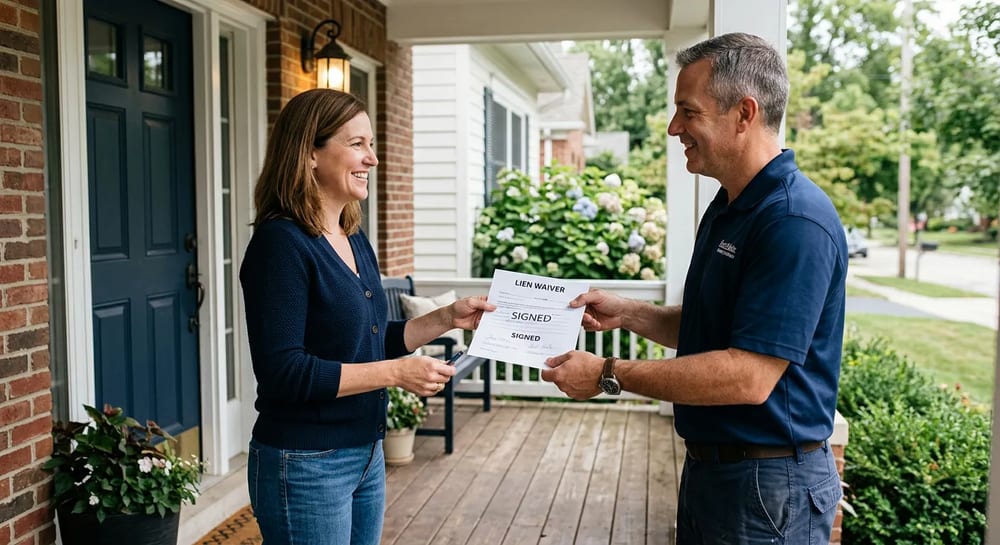
When you hand over the final check, ask the contractor for a signed lien waiver. This legal document proves you paid them in full. It prevents the contractor, or their unpaid suppliers, from putting a lien on your house later.