
For a century, your relationship with the electric company was simple. They made the power, and you bought it. But that one-way street is opening up. Across the country, new laws and utility programs are turning everyday houses and apartments into mini-generators. You can now produce your own power and even sell a little back to the grid.
Solar without the scaffolding
Getting solar panels usually means scaffolding, permits, and a heavy loan. Not anymore. A new wave of legislation is clearing the way for "balcony solar." These are portable panels you simply plug into a standard wall outlet. New Jersey just signed the Garden State Balcony Solar Act into law. According to Energy News Beat, that makes it the ninth state to legalize these low-friction systems. They are small enough to plug in, but big enough to actually dent your electric bill.
The real breakthrough here is the slashed red tape. The new law prohibits local governments and utilities from demanding prior approval or charging permit fees. Best of all, landlords and homeowners associations can't stop you from putting these panels on your patio or balcony as long as you pay your own electric bill. Tenants just need to give 14 days' written notice before setting up a kit.
It's a massive win for renters who have entirely missed out on the clean energy boom.
Your heat pump gets a job
While states make it easier to generate your own power, utility companies are figuring out how to borrow what you store. Out in California, PG&E just launched a program called SHARE to tap into batteries and smart appliances sitting in customer homes, as reported by Solar Power World.
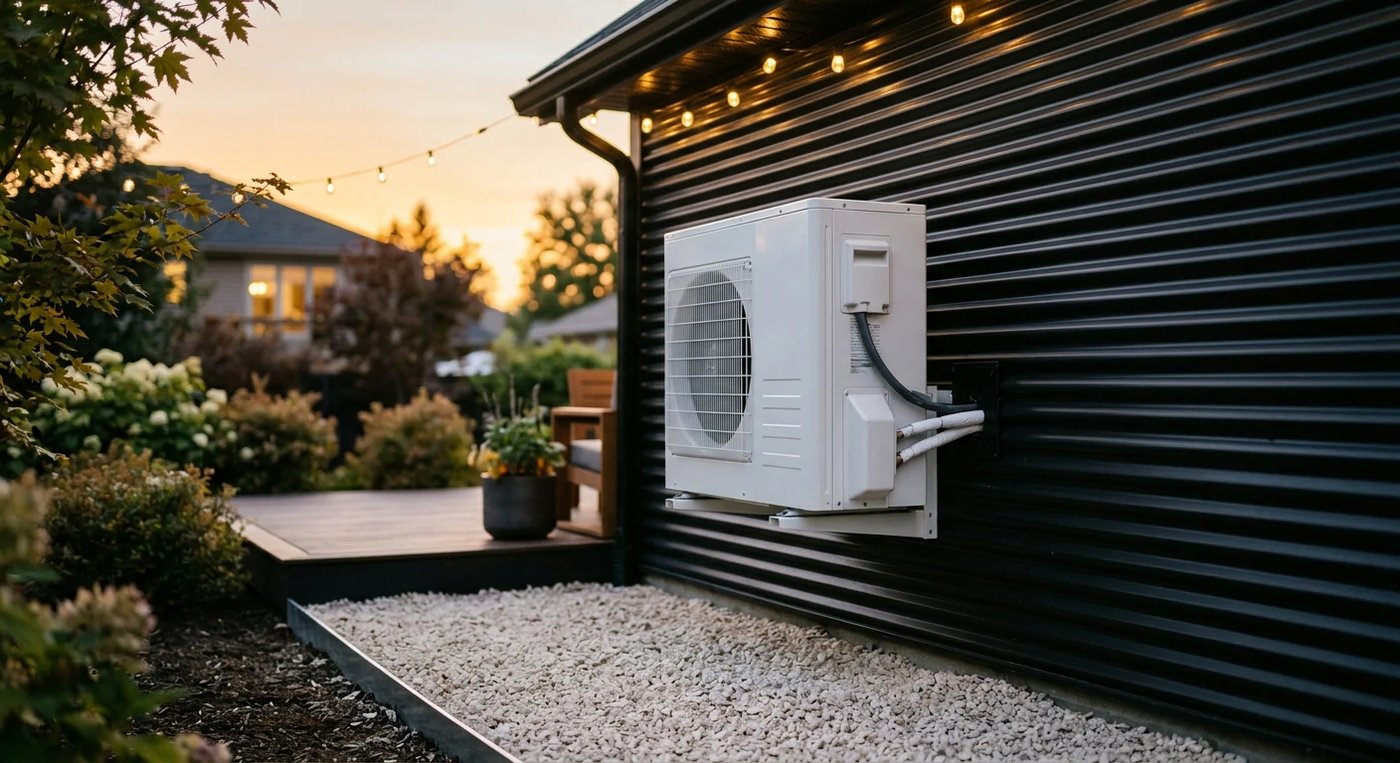
Instead of building an expensive new power plant to handle peak demand, PG&E is stringing together existing energy devices to act like one giant battery. With funding from Google, they're partnering with manufacturers like Carrier to deploy battery-enabled heat pumps. When the grid gets stressed, the utility pulls a tiny bit of stored power from thousands of homes at once, and they compensate those residents for the help. Your HVAC system literally helps keep the neighborhood's lights on.
What's happening in your state
The push to let residents generate and share their own power is seeing rare, unanimous bipartisan support. When Virginia passed its plug-in solar bill, it cleared the House of Delegates with a 96-0 vote. Utah laid the groundwork for these rules last year. Colorado has a similar framework in place. In New Jersey, the new balcony rules take effect next spring. That gives tenants and condo owners plenty of time to research a setup. Over in California, residents could see the SHARE program supporting the grid as early as next fall.
The bottom line for you
- If you rent or live in an HOA, watch your state legislature. Plug-in solar kits start at just a few hundred dollars. They are a realistic way to chip away at your electric bill without altering the property. Check out our New Jersey solar guide to see how local rates impact your payoff time.
- Upgrading your heating and cooling soon? Ask your installer about battery-enabled models. As utilities roll out more virtual power plant programs, a smart system could eventually pay you back. You can read more about the latest options in our HVAC guide.