Appliances break. It is just a fact of homeownership. You rely on them every day. When they stop working, it disrupts your whole house. Knowing how long they usually last helps you budget. It also helps you decide whether a broken machine is worth fixing or if you should just buy a new one.
Water Heaters
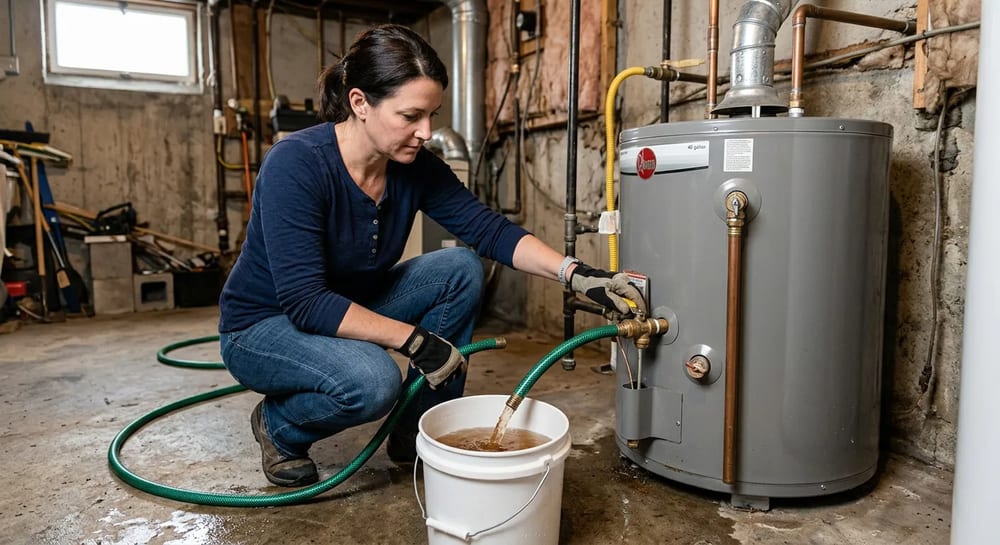
Water heaters work quietly until they suddenly leak or leave you taking a cold shower. A standard tank water heater lasts 8 to 12 years. Tankless models can last 15 to 20 years.
Flush the tank once a year to remove sediment. Check the anode rod every few years. This rod attracts rust so the tank does not rust instead. For more details on pipes and valves, check our plumbing guide.
If your tank is over 10 years old and starts leaking from the bottom, replace it immediately. A bad thermostat or a burned out heating element is a cheap fix. A new tank water heater costs 800 to 1,500 dollars installed. Tankless units cost 1,500 to 3,000 dollars. Keep in mind that all cost ranges in this guide vary by region, scope, and your home age.
Refrigerators and Freezers
Refrigerators run nonstop. A good fridge lasts 10 to 15 years. The compressor is the heart of the machine. If the compressor fails on an older fridge, you are better off buying a new one.
Clean the condenser coils at the bottom or back of the fridge twice a year. Dust and pet hair choke the coils. This makes the compressor work harder and die sooner. Check the door seals with a dollar bill. Close the door on the bill. If it pulls out easily, you need new seals.
Fixing a bad ice maker or replacing a door seal costs 150 to 300 dollars. Replacing a compressor costs 500 to 800 dollars. If your fridge is old, put that money toward a new one instead.
Dishwashers
Dishwashers take a beating. Expect yours to last 9 to 12 years.
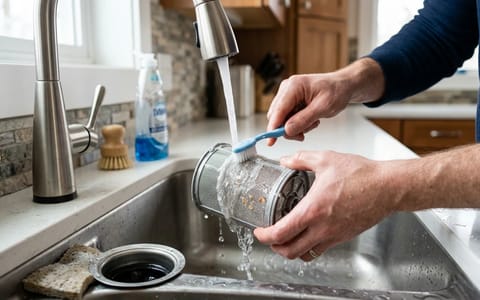
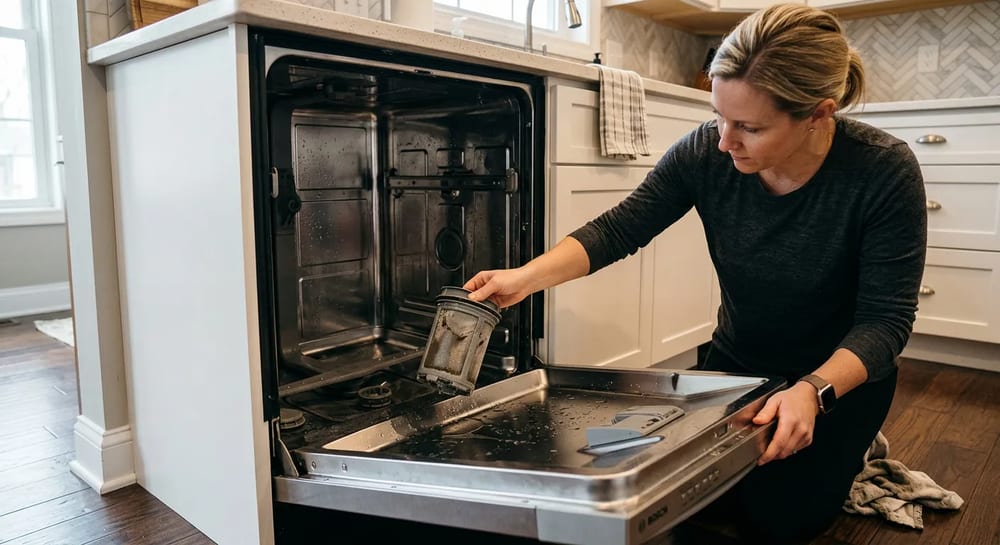
Clean the filter at the bottom of the tub every month. Food bits get trapped there and cause bad smells. Check the spinning spray arms to make sure the holes are not clogged with hard water scale. You can clear the holes with a toothpick.
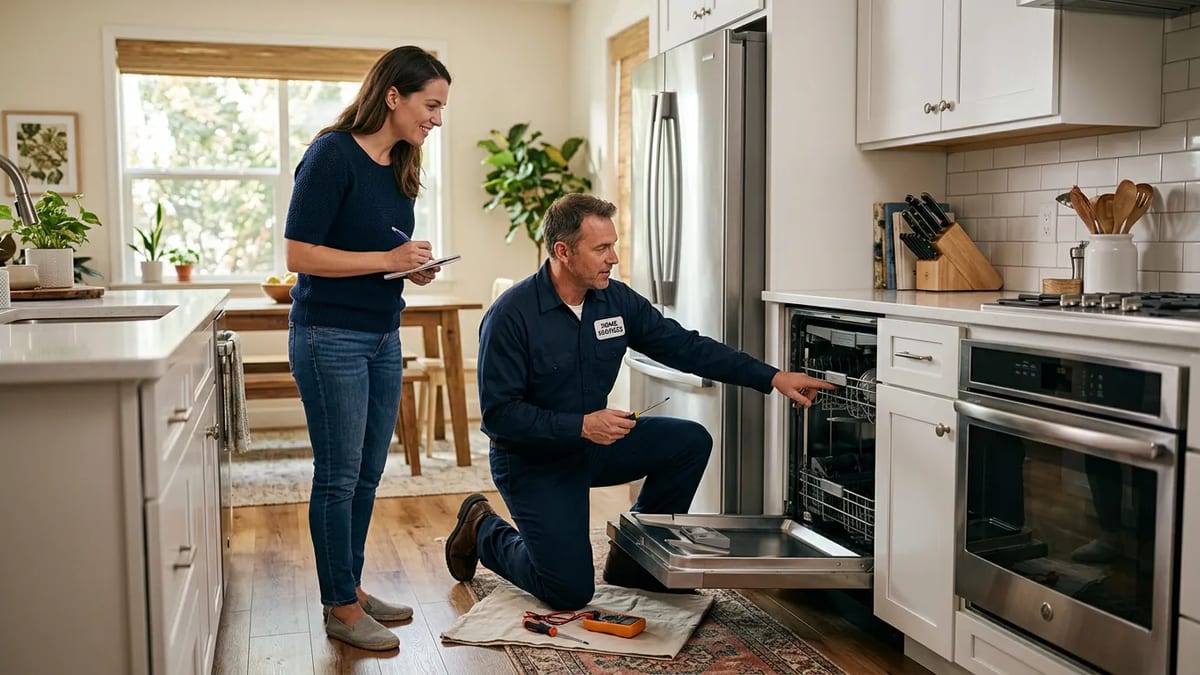
A broken door latch or a bad drain pump is worth fixing on a younger machine. A drain pump repair runs 150 to 250 dollars. If the main control board fails, it can cost 300 to 500 dollars. At that point, a new dishwasher might make more sense.
Washing Machines and Dryers
Laundry machines last 10 to 13 years. Top load washers generally outlast front load models because they have a simpler design.
Leave the washing machine door open after a load to stop mold from growing. Check the washer fill hoses for bulges. Replace rubber hoses with braided stainless steel lines to prevent a major flood. For the dryer, clean the lint screen every single time you use it. You also need to clean the main dryer vent pipe that goes outside. A clogged vent is a major fire risk. Read more on handling home emergencies if you ever face a sudden leak.
Washer belts and lid switches are cheap repairs. A bad washer transmission or a fried motor is a heavy hit. Dryer heating elements often burn out and cost 150 to 250 dollars to replace. This is usually worth doing.
Average Appliance Lifespans
Dryer Vents: The Fire Risk Hiding Behind Your Dryer
The lint screen catches only part of the lint your clothes shed. The rest packs into the vent duct that runs from the back of the dryer to the outside of your house. Clogged dryer vents cause an estimated 13,000 to 15,000 house fires every year in the United States, and lint is the leading cause. A blocked vent also traps heat and moisture, so the dryer works harder, runs longer, and wears out years early. If your clothes are not drying in one cycle, the vent is the first thing to check.
Signs Your Dryer Vent Is Clogged
Your dryer will tell you the vent is blocked when:
- Clothes are still damp after a full cycle, or it takes two cycles to dry a normal load.
- The dryer and the laundry room feel very hot to the touch while it runs.
- You smell a hot or burning lint odor during the cycle.
- Lint collects around the outside vent hood and the flap barely opens.
- It has been more than a year since the vent was last cleaned.
How to Clean a Dryer Vent
Plan on about an hour, once a year. Here is the full process:
- Unplug the dryer, or shut off the gas valve for a gas dryer, and pull the unit about a foot away from the wall.
- Disconnect the flexible vent hose from the back of the dryer and from the wall duct.
- Vacuum the lint out of the hose, the dryer's exhaust port, and the opening in the wall duct.
- Feed a dryer-vent brush kit (sold at any hardware store) through the full run of duct toward the exterior hood, twisting as you push to pull lint loose.
- Go outside, open the vent hood flap, and clear the loosened lint that comes through.
- Reconnect the duct with a metal clamp (not a screw, see below), slide the dryer back, and run a 10-minute cycle to confirm strong airflow at the outside hood.
Use the Right Vent Material
Replace any white plastic or thin foil "slinky" duct with rigid or semi-rigid metal duct. Plastic and foil sag, trap lint, and can melt. Keep the run as short and straight as possible, and never fasten the joints with sheet-metal screws, because the screw shafts catch lint inside the pipe. Use foil tape or metal clamps instead. A clean, well-sealed metal vent is the single best upgrade for both fire safety and faster dry times.
A handyman charges 100 to 200 dollars to professionally clean a dryer vent. Rerouting or replacing a bad vent run costs 150 to 500 dollars depending on length and access. Both are cheap insurance against a house fire and a burned-out dryer. Cost ranges vary by region and home age.
Dryer Not Drying? Quick Troubleshooting
| Symptom | Most Likely Cause | What to Do |
|---|---|---|
| Clothes damp after one cycle | Clogged lint screen or vent | Clean the screen, then clean the full vent run |
| Takes two cycles to dry | Restricted airflow in the vent | Clear the vent and check that the outside flap opens fully |
| Runs but produces no heat | Burned-out heating element or igniter | Replace the element or igniter (150 to 250 dollars) |
| Very hot with a burning smell | Lint buildup near the heater | Stop using it and clean the vent and interior immediately |
| Shuts off mid-cycle | Overheating from blocked airflow | Clear the vent so the thermal fuse stops tripping |
Ovens and Stoves
Cooking appliances last a long time. Gas ranges can easily go 15 years or more. Electric ranges last 13 to 15 years.
Keep the burners clean. On a gas stove, food spills can clog the burner ports and cause uneven flames. On an electric stove, wipe down the glass top with a special cleaner to prevent scratches. If you have electrical issues behind the stove, consult our electrical guide before touching any wires.
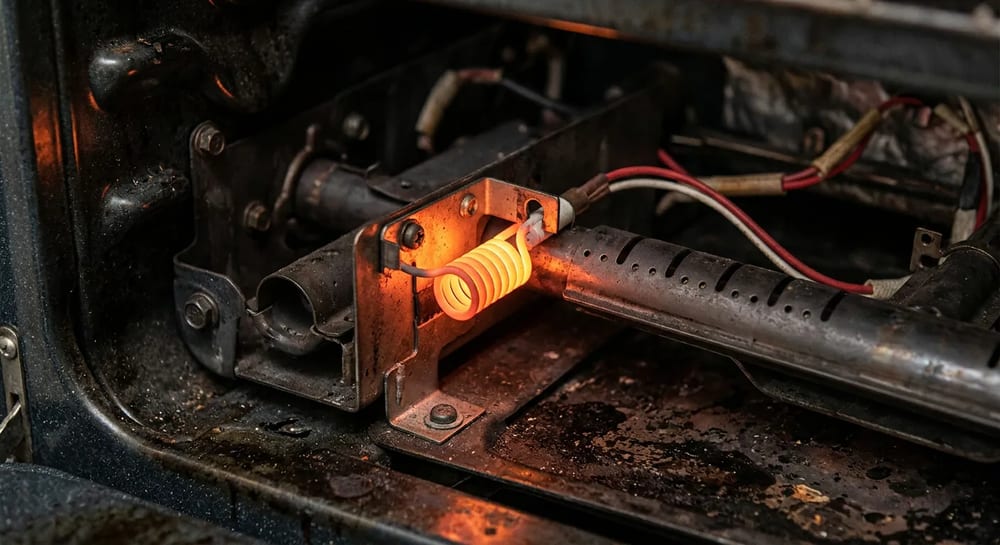
Igniters on gas ovens fail frequently. You will know it is broken if the oven takes forever to heat up or smells like raw gas. Replacing an igniter costs 150 to 300 dollars. Electric heating elements also burn out and cost about the same to fix. Both are smart repairs.
The 50 Percent Rule
How do you know when to walk away from a broken appliance? Use the 50 percent rule.
If the repair costs more than 50 percent of the price of a new appliance, replace it. You should also replace it if the machine is more than halfway through its expected lifespan and needs a major repair.
| Appliance | Common Cheap Repair | Common Expensive Repair | Average Replacement Cost |
|---|---|---|---|
| Water Heater | Thermostat (100 to 200 dollars) | Leaking Tank (Replace only) | 800 to 1,500 dollars |
| Refrigerator | Door seals (150 to 250 dollars) | Compressor (500 to 800 dollars) | 1,000 to 2,500 dollars |
| Dishwasher | Drain pump (150 to 250 dollars) | Control board (300 to 500 dollars) | 500 to 900 dollars |
Always factor in the hidden costs of keeping an old machine. Newer models use less water and power. If you decide to call a professional for help, read our guide on hiring contractors so you know what to expect.