AC Not Cooling Upstairs? How to Balance Your Home Airflow
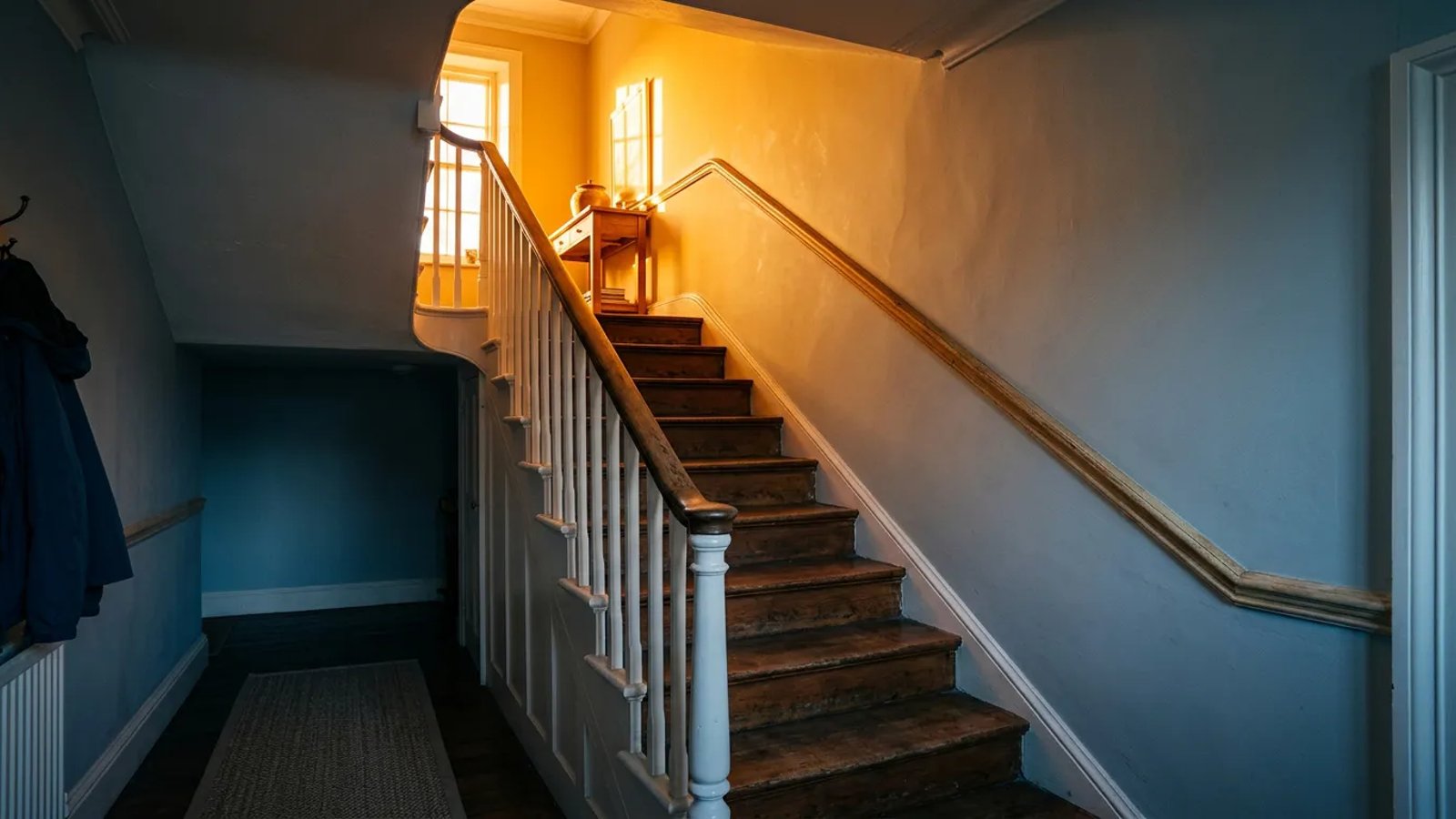
Struggling with a freezing downstairs and a sweltering second floor? Learn how to balance your HVAC dampers and fix your home's airflow without an expensive service call.
Full guide HVAC & Climate Control How your home heats, cools, and moves air, and the decisions that matter.It is a classic two-story homeowner dilemma: the downstairs living room feels like a meat locker, while the upstairs bedrooms are sweltering. You lie awake kicking off the sheets, frustrated and wondering why your air conditioning system is failing. For many homeowners, an AC not cooling upstairs triggers immediate panic. They assume the unit is undersized, leaking refrigerant, or completely broken, prompting an expensive and unnecessary HVAC service call.
In reality, the equipment usually works perfectly fine. The system produces plenty of cold air; it just fails to reach the rooms that need it most. Because heat naturally rises and cold, dense air sinks, pushing conditioned air to the second floor requires proper duct pressure and strategic routing. Understanding how your home breathes is the key to unlocking consistent comfort across every floor.
Why Is Your AC Not Cooling Upstairs? The Airflow Dilemma
Before ripping apart ductwork or calling a technician, understand the physics working against your second floor. Your home is essentially a large chimney. During the summer, the sun beats down on your roof, transferring radiant heat into your attic. That heat presses down on your second-floor ceiling. Meanwhile, heat generated inside your home from cooking, electronics, and human bodies naturally rises up the staircase.
Your HVAC system tries to combat this. The blower motor, usually located in the basement or a first-floor closet, pushes cold air through a sprawling network of metal or flexible ducts. Cold air is heavier than warm air and wants to fall. If the ductwork feeding your first floor is wide open, the air naturally takes the path of least resistance. It dumps into the first floor, leaving the longer, uphill duct runs that feed the second floor starved for pressure.
The Wrong Move: Closing Downstairs Register Vents
When faced with a freezing first floor and a hot second floor, almost everyone tries the exact same DIY fix: they walk around the first floor and slide the little levers on the floor or ceiling register grilles to the "closed" position. It seems logical. If you block the air from coming out downstairs, it has to go upstairs, right?
Wrong. Closing the register grilles at the end of a duct run is one of the worst things you can do to your HVAC system. A few summers ago, a neighbor of mine tried this exact tactic. He closed every single vent on his first floor to force air into his master bedroom. Two weeks later, his system's evaporator coil froze into a solid block of ice, and he had to pay a hefty repair bill, which as of late 2026 easily averages $900 to $1,400, to replace a burned-out ECM blower motor.
Your HVAC system breathes, and when you choke off the downstairs vents at the register, you're just forcing that cold air out through the seams of your ductwork.
When you close a vent at the very end of the line, the blower motor is still pushing the exact same volume of air into that duct. With nowhere to go, static pressure builds up immensely inside the branch. This pressure forces the cold air out through the tiny unsealed joints and seams in the ductwork, effectively air-conditioning the inside of your walls, your basement, or your crawlspace. Furthermore, the restriction forces the blower motor to work much harder, shortening its lifespan and increasing your energy bills.
The Real Fix: Balancing Your HVAC Dampers
The correct way to solve the problem of an AC not cooling upstairs is to balance the airflow at the source, not at the destination. This is done using inline duct dampers. A damper is a simple metal valve located inside the ductwork, usually situated within the first few feet of where the smaller branch ducts connect to the large main supply trunk.
By partially closing a damper near the main trunk, you restrict the air before it enters the branch. This forces the bulk of the air volume to continue traveling down the main trunk line toward the ducts that feed the upstairs, increasing the pressure where you actually need it. Finding and adjusting these dampers is a straightforward process that takes about 30 to 60 minutes.
- Locate your main supply trunk. Head to your basement, crawlspace, or attic where the indoor HVAC unit is housed. Look for the large, rectangular metal box attached to the top or side of the unit. This is the supply plenum, which feeds the main trunk lines.
- Find the damper levers. Look at the smaller, round ducts branching off the main trunk. On the side of these round ducts, you should see small metal levers or wingnuts. The position of the lever indicates the position of the metal plate inside. If the lever is parallel to the duct, it is fully open. If it is perpendicular, it is closed.
- Map your ductwork. Turn the AC fan on. Have a helper stand upstairs while you fully close one damper at a time. Shout to each other (or use phones) to identify which room stops getting air. Use a Sharpie to write the room name directly on the duct metal so you never have to guess again.
- Adjust for the season. Once mapped, partially close the dampers feeding the first-floor rooms. Do not close them 100 percent, aim for about 50 to 75 percent closed. Leave the dampers feeding the upstairs rooms 100 percent open.
- Wait and measure. It takes time for the home's thermal mass to adjust. Wait 24 hours, then check the temperatures on both floors. Make tiny, 1/4-inch adjustments to the levers over the next few days until the house feels even.
How to Improve Upstairs Temperature Without Turning Down the AC
If you are wondering how to improve upstairs temperature without turning down the AC, you are not alone. Cranking the thermostat down to 68 degrees might cool the bedrooms, but it will turn your downstairs into an icebox and send your late-2026 electricity bills through the roof. Beyond balancing your duct dampers, here are three highly effective, practical steps to cool the second floor without touching the thermostat dial:
- Block out solar heat gain. Sunlight streaming through second-story windows is a massive source of ambient heat. Install blackout cellular shades or thermal curtains. Keeping these window treatments fully closed during peak afternoon hours can reduce upstairs room temperatures by 2 to 4 degrees.
- Improve attic insulation. If your insulation is sitting below the floor joists, radiant heat from the roof is baking your upstairs ceilings. As of 2026, the Department of Energy still recommends R-49 to R-60 insulation for most attics in the US and Canada. Adding a layer of blown-in cellulose is a weekend DIY project that typically costs between $600 and $1,100, but it pays for itself in immediate summer comfort.
- Relocate heat-generating electronics. Computers, gaming consoles, and incandescent bulbs generate significant heat. A high-end gaming PC running at full capacity can produce as much heat as a small space heater. Move heavy electronics downstairs or ensure they are fully powered off during the heat of the day.
Setting Up an Upstairs Air Conditioner for Supplemental Cooling
Sometimes, no amount of damper balancing or insulation will overcome a poorly designed duct system or a massive vaulted ceiling. If your central system simply cannot keep up, setting up an upstairs air conditioner is the most practical backup plan. Homeowners have three main options for supplemental cooling as of late 2026:
- Window Air Conditioners: This is the most cost-effective route. A modern, Energy Star-rated 8,000 BTU window unit costs around $300 to $400 and can easily cool a 350-square-foot master bedroom. When setting up a window unit upstairs, always use the provided exterior support brackets to prevent the unit from falling, which is a serious safety hazard on a second floor.
- Portable Air Conditioners: If your HOA prohibits window units, a portable AC is a great alternative. These sit on the floor and vent hot air through a flexible hose in the window. Expect to pay between $400 and $600 for a dual-hose model, which cools much faster and more efficiently than a single-hose version.
- Ductless Mini-Splits: For a permanent, high-efficiency solution, consider setting up a ductless mini-split system. While the upfront cost is higher, typically ranging from $4,000 to $6,000 per zone as of late 2026, mini-splits provide whisper-quiet, pinpoint temperature control without relying on your home's existing ductwork at all.
The 2026 Trend: Smart Vents and Automated Dampers
If manually adjusting metal levers in your basement sounds tedious, a major upgrade trend in 2026 is the installation of smart vents and automated inline dampers. These devices communicate wirelessly with room sensors and your smart thermostat to actively open and close based on real-time temperatures. While you still should not completely seal off an entire floor, adding a few smart dampers to your most problematic zones can automatically balance your home's airflow throughout the day without risking static pressure spikes.
Air Filters and Blocked Returns: The Silent Airflow Killers
If you have balanced your dampers and the upstairs is still uncomfortably warm, the next place to look is your air filter. It is incredibly common for homeowners to overlook this basic maintenance task, but a dirty filter is the number one cause of weak airflow.
Think of your HVAC system like a vacuum cleaner. If the bag is full of dirt, the suction drops dramatically. When your HVAC air filter is clogged with dust, pet hair, and pollen, the blower motor cannot pull enough air into the system. As a result, it cannot push enough air out. Because the upstairs rooms are the furthest away, they are the very first rooms to suffer when the overall system pressure drops.
Check your filter today. If it is dark gray or covered in a thick mat of dust, replace it immediately. For the best airflow, stick to a standard pleated filter with a MERV 8 rating. While MERV 13 filters are great for trapping microscopic allergens, they are notoriously thick and can severely restrict airflow in older systems that weren't designed for them. A standard MERV 8 filter, replaced every 30 to 60 days during peak cooling season, provides the perfect balance of equipment protection and maximum airflow.
Additionally, check your return air vents upstairs. These are the large grilles on the wall or ceiling that suck air back into the system. If you have placed a heavy dresser, a bed, or thick blackout curtains in front of a return vent, you are choking the system. The HVAC unit cannot push cold air into a room if it cannot pull the hot air out. Ensure all return vents have at least two feet of clear space in front of them.
The Thermostat Trick: Switching from 'Auto' to 'On'
Even with perfectly balanced dampers and a brand-new air filter, the physical reality of a two-story home means that warm air will always try to pool near the ceilings of your upstairs rooms. You can combat this stratification with a simple button press on your thermostat.
Most homeowners leave their thermostat fan setting on "Auto." In this mode, the blower motor only runs when the outdoor compressor is running to generate cold air. Once the first floor reaches the target temperature, say, 72 degrees, the entire system shuts off. The air goes stagnant, and the upstairs immediately begins to heat up again.
By switching the fan setting from "Auto" to "On," you instruct the indoor blower motor to run continuously, 24/7, regardless of whether the outdoor AC compressor is running. This constantly pulls the hot air from the upstairs returns, mixes it with the cooler air from the downstairs returns, and redistributes it evenly throughout the house. Running the fan continuously costs only a few extra dollars a month in electricity, but it can make a massive difference in your overnight comfort.
When to Call an HVAC Professional
While balancing dampers and changing filters will solve the vast majority of airflow issues, there are times when the problem is beyond a simple DIY fix. If you have opened the upstairs dampers completely, restricted the downstairs, installed a fresh filter, and you still have barely a trickle of air coming out of the second-floor vents, you may have a larger mechanical issue.
Ductwork can become disconnected inside walls or attics, dumping your precious cold air into empty voids. Alternatively, if the air coming out of the vents feels lukewarm rather than crisp and cold, your system might be low on refrigerant due to a leak. As of 2026, repairing leaks in older systems has grown more expensive due to the industry's phase-out of legacy refrigerants. Finally, if your home has been expanded or renovated, the original HVAC unit simply might not be sized correctly to handle the additional square footage.
Balancing your home's airflow is not a one-and-done chore; it is a seasonal rhythm. Once you understand how to manipulate the dampers to push cold air up in the summer, you can reverse the process in the winter to push warm air down. Take an hour this weekend to locate your dampers, grab a Sharpie, and take control of your ductwork. Give the system 24 hours to stabilize after making your adjustments, and you will finally be able to sleep comfortably in your upstairs bedrooms.