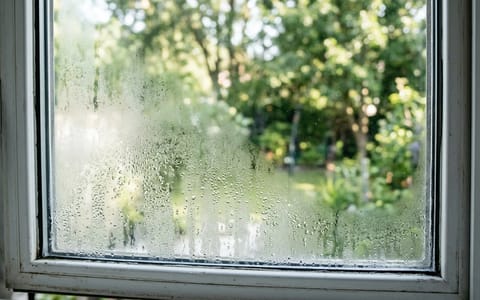
Got Condensation Inside Double Pane Windows? What to Do
Got foggy windows that won't wipe clean? Learn how to diagnose a broken window seal, check your warranty, and replace the glass without buying a whole new frame.
Full guide Windows & Doors Learn how to spot energy leaks, fix drafts, and decide when to replace your windows and doors.You wake up on a crisp morning, pour a cup of coffee, and walk over to your living room window to check the weather. The glass is completely fogged up. You grab a towel and wipe the glass, but nothing happens. You step outside and wipe the exterior, but the fog still will not budge. That is because you have condensation inside double pane windows, and it is entirely trapped between the glass panes.
This frustrating discovery obstructs your view, makes the house look poorly maintained, and immediately brings up fears of massive contractor bills. The good news is that a foggy window is a highly localized problem. You rarely need to rip out the entire window frame to fix it. Understanding what broke and sourcing the right replacement parts will save you significant money and stress.
Is the Condensation Inside Double Pane Windows or Just on the Surface?
Before assuming your window is broken, you need to definitively confirm where the moisture is sitting. Indoor humidity and extreme outdoor temperature swings can easily trick you into thinking a seal has failed.
If your indoor humidity is above 50% during the winter (you can easily check this with a hygrometer), warm, moist indoor air will hit the cold interior glass and condense into water droplets. Conversely, during hot, humid summer days, blasting your AC can cool the window glass enough that outdoor humidity condenses on the exterior surface. Both of these are normal physical reactions, not broken windows.
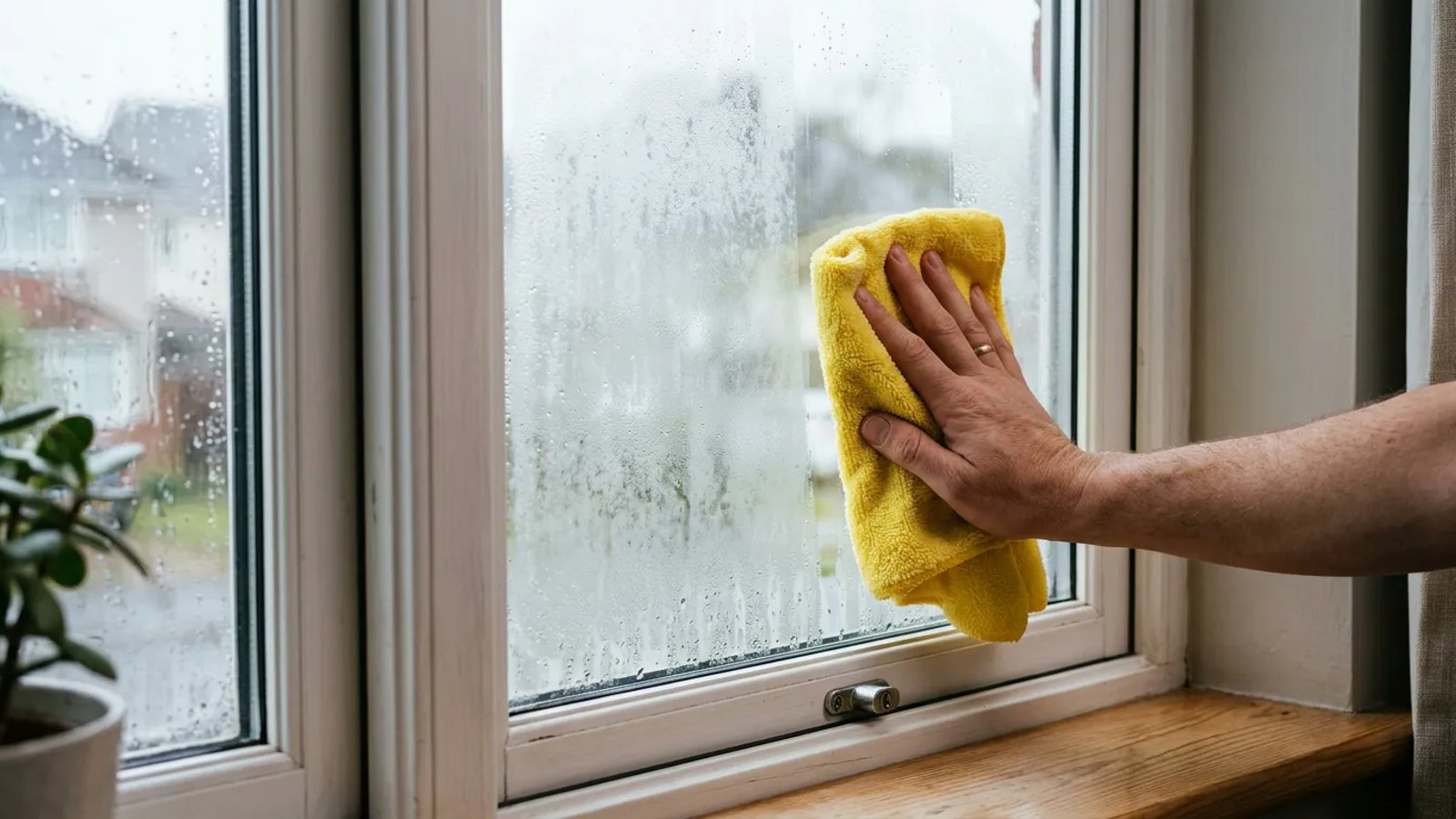
To test this, take a dry microfiber cloth and wipe the inside of the glass. If the moisture clears, lower your indoor humidity using your HVAC system or a dehumidifier. Next, go outside and wipe the exterior glass. If the fog remains after wiping both sides, and the glass feels dry to the touch, you have a failed window seal. The moisture is officially trapped in the middle.
The Mechanics Behind a Failed Window Seal
Modern residential windows are not just single sheets of glass. They use an Insulated Glass Unit (IGU). An IGU consists of two panes of glass separated by an aluminum or composite spacer bar. The edges are heavily sealed with an airtight butyl rubber sealant.
During manufacturing, the space between the panes is usually filled with an inert, dense gas like argon or krypton to slow the transfer of heat. Inside that spacer bar around the perimeter, manufacturers pack tiny silica desiccant beads. This is the same moisture-absorbing material you find in little paper packets inside new shoe boxes.
Recently, I replaced a foggy sash in my own living room. Out of curiosity, I broke the old glass unit apart on my workbench to see exactly what happened. The black rubber seal at the bottom corner had a hairline crack. When I pulled the aluminum spacer apart, the silica beads inside were completely saturated, clumped together, and crumbling. Once that desiccant reaches maximum capacity, any new moist air sucked into the window turns directly into visible condensation.
Why Do Window Seals Break?
IGUs are incredibly durable, but they are fighting a constant battle against physics. The primary killer of window seals is a process called thermal pumping, also known as solar pumping.
When the sun beats down on your window during the day, the air and gas trapped between the panes heat up and expand. This expansion puts outward pressure on the glass and the rubber seals. At night, the temperature drops, the gas cools, and the window contracts, pulling the glass inward. This daily cycle of expanding and contracting flexes the seals thousands of times a year.
Over a period of 10 to 15 years, the sealant hardens, loses its elasticity, and eventually develops microscopic stress cracks. South-facing and west-facing windows usually fail first because they receive the most direct, intense sunlight. Poor drainage around the window frame can also accelerate failure if the bottom of the glass sits in pooled water after a rainstorm.
According to the latest 2026 Energy Star guidelines (Version 7.0), while a failed seal does reduce the window's insulating properties, the energy loss is usually minor. You do not need to treat this as an emergency unless you have a severely rotting wooden frame.
You rarely need to rip out the entire window frame just because the glass seal failed.
How to Fix Condensation Between Window Panes
When faced with a failed seal, many homeowners mistakenly call a window replacement company and end up paying $900 to $1,500 (a typical 2026 range) for a completely new window. You have much better, cheaper options. Here is how to handle the repair, step by step.
- Check the manufacturer warranty. This is your most important first move. Many premium manufacturers offer 10-year, 20-year, or even lifetime warranties on their glass seals. Look for an etched logo in the corner of the glass or a silver sticker on the inside track of the frame.
- Order a replacement sash. If you have double-hung or casement windows, the easiest fix is replacing the entire sash (the movable part of the window that holds the glass). You simply tilt the old sash out of the track and snap the new one in. It takes less than 5 minutes.
- Hire a glass company to replace the IGU. If the sash cannot be easily removed, or if it is a large fixed picture window, call a local glass repair shop. They will measure the glass, order a new factory-sealed IGU, remove the trim around your existing glass, and swap the glass units while leaving your window frame perfectly intact in the wall.
- Replace the full window only if necessary. A full-frame replacement is only required if the actual window frame is structurally compromised, rotting, or severely warped.
Federal Tax Credits for Full Replacements in 2026
If your window frame is rotting and you are forced into a full replacement, take advantage of current federal incentives. As of 2026, the Energy Efficient Home Improvement Credit allows you to claim 30% of the project cost for installing Energy Star-certified windows, up to $600 annually. Be sure to save your receipts and manufacturer certification labels for tax season.
Can You Defog a Window Without Replacing the Glass?
If you search for solutions online, you will likely encounter companies offering window defogging services. They promise to clear the condensation inside double pane windows for a fraction of the cost of replacement.
The process involves drilling tiny holes in the exterior glass, spraying cleaning solutions between the panes to wash away the hard water stains, and installing small vents in the holes to allow the moisture to escape. While this does make the window look clear again, it is strictly a cosmetic band-aid.
Defogging does not repair the broken seal, nor does it replace the insulating argon gas that escaped. You are essentially turning your double pane window into a drafty single pane window with an extra piece of glass in front of it. Given that a local glass shop can often replace the entire IGU for just slightly more than a defogging service charges, replacing the glass is almost always the better long-term investment.
Moving Forward with Clear Views
Dealing with trapped moisture in your windows is annoying, but it is a standard part of long-term home maintenance. Start by wiping the glass to be absolutely sure the moisture is inside. Then, grab a flashlight, find that manufacturer sticker, and see if you can get the glass replaced under warranty. Even if you have to pay out of pocket, swapping out a sash or a glass unit is a quick, painless repair that will restore your view and keep your home looking sharp.
- Confirm the moisture is actually between the panes by wiping both the inside and outside glass with a dry microfiber cloth.
- Look for an etched manufacturer logo or a sticker on the top edge of the window sash to help track down your warranty information.
- Replacing a window sash is a beginner-friendly DIY project that takes less than 5 minutes and requires no special tools.
- Avoid 'defogging' services that drill holes in your glass; they only mask the problem and do not restore the window's insulating properties.