How to Erase Hard Water Stains on a Shower Door
Tired of scrubbing cloudy shower doors with zero results? Learn why standard cleaners fail and how to easily melt away hard water stains using a simple, highly effective DIY vinegar solution.
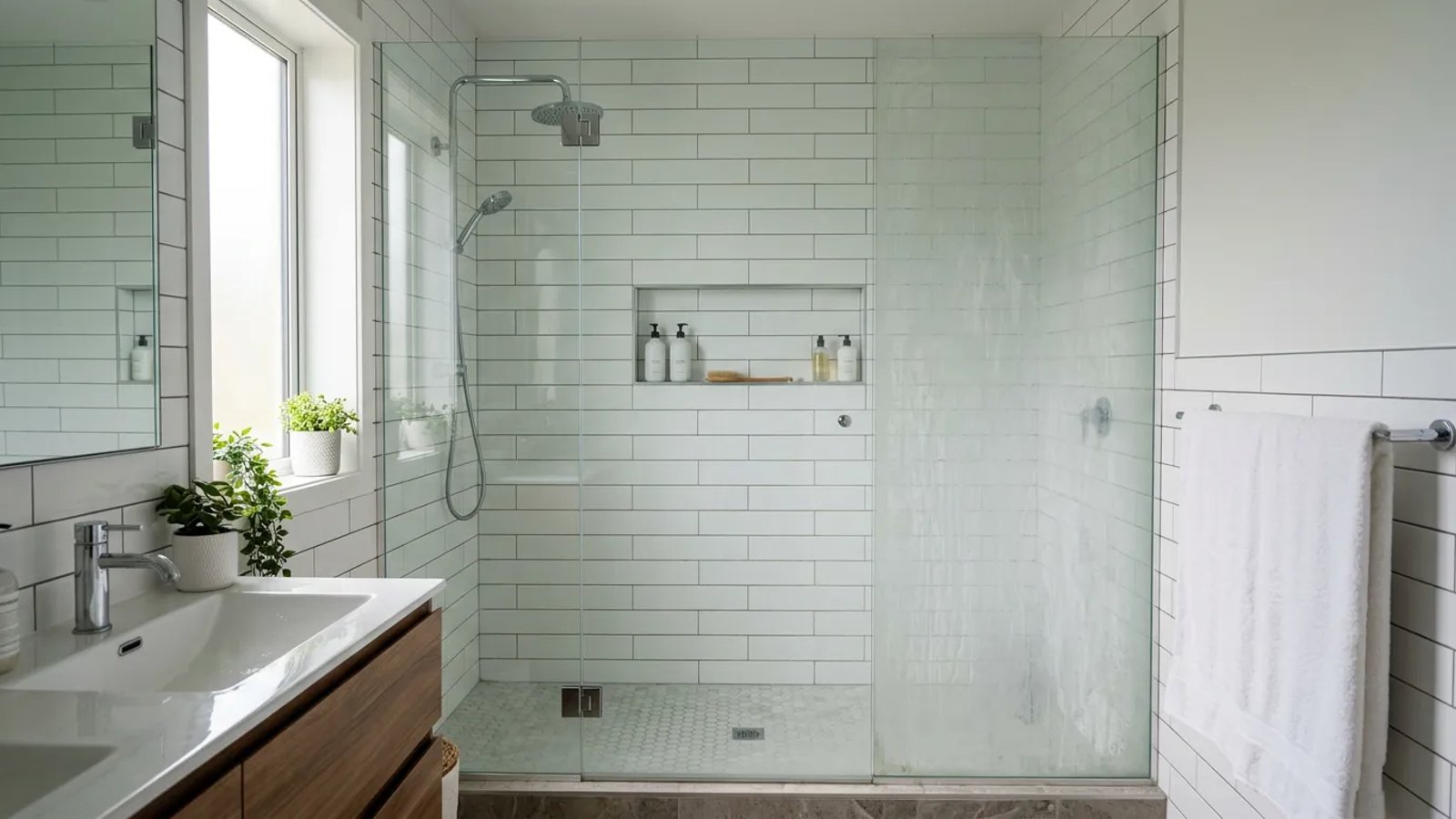
Full guide Plumbing Learn how your home plumbing works and how to stop leaks before they ruin your house.You step into the bathroom expecting a refreshing start to the day, but instead, you are greeted by a cloudy, white, crusty film covering your once-beautiful glass doors. You have probably tried every bright blue spray bottle under the sink, scrubbing until your shoulders ache, only to watch the glass dry just as hazy as before. The frustration is real, but the problem is not a lack of elbow grease. The issue is that you are using the wrong chemistry for the job.
Standard glass cleaners are designed to remove fingerprints, dust, and light smudges from mirrors and windows. They are completely outmatched by the stubborn mineral deposits left behind by your home's water supply. To actually fix the problem, you need to understand what you are fighting and use a targeted approach to melt the buildup away without damaging your expensive glass.
Why Your Current Cleaner Fails on Hard Water Stains
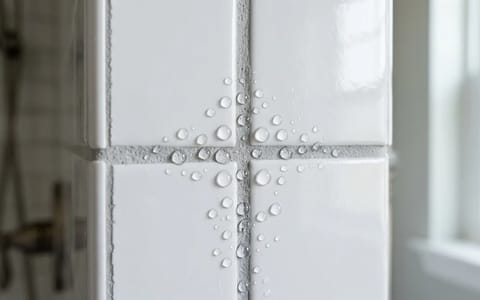
When water drops dry on your shower door, the water evaporates, but the microscopic minerals suspended in it do not. Homes with hard water have high concentrations of calcium and magnesium. Over time, these minerals accumulate layer by layer, creating a tough, crusty barrier known as limescale. This is what causes those stubborn hard water stains on a shower door.
Most commercial glass cleaners are formulated with ammonia or alcohol. These ingredients are alkaline or neutral, making them excellent at cutting through light grease but entirely useless against calcium. When you spray standard glass cleaner on a shower door, it simply smears the daily soap scum around while completely ignoring the rock-hard mineral deposits underneath. You are essentially trying to wash a rock with soap.
To break down calcium and magnesium, you need an acid. The acid reacts chemically with the alkaline minerals, dissolving them into a liquid state that can be easily wiped away. Fortunately, you do not need harsh, dangerous industrial chemicals to achieve this. The most effective acid for this job is likely sitting in your kitchen pantry right now.
The Magic DIY Formula for Hard Water Stains
The secret to restoring your shower glass to a crystal-clear state relies on two basic household ingredients: standard distilled white vinegar and a heavy-duty liquid dish soap (like blue Dawn). White vinegar contains about 5% acetic acid, which is the perfect concentration to dissolve calcium without being so acidic that it damages your bathroom fixtures or harms your skin.
However, vinegar alone has a major flaw: it is as thin as water. If you spray pure vinegar onto a vertical shower door, it immediately runs down into the drain before it has time to penetrate the thick mineral buildup. This is where the dish soap comes in.
By mixing the vinegar with a thick, high-quality dish soap, you create a viscous, clinging foam. The dish soap acts as a surfactant, holding the acidic vinegar directly against the hard water stains so it can work its magic over time. The soap also pulls double duty by cutting through the oily layer of soap scum and body wash that sits on top of the mineral deposits, allowing the vinegar full access to the calcium.
Step-by-Step: Melting Away the Mineral Buildup
This process requires very little physical scrubbing if you allow the chemistry to do the heavy lifting. Gather a clean spray bottle, your vinegar, your dish soap, a glass measuring cup, and a non-scratch sponge.
- Heat the vinegar. Pour one cup of white vinegar into a microwave-safe measuring cup. Heat it in the microwave for 60 to 90 seconds until it is very warm, but not boiling. Heating the vinegar increases the kinetic energy of the molecules, drastically speeding up the chemical reaction with the calcium.
- Mix the solution. Carefully pour the hot vinegar into your spray bottle. Add one cup of liquid dish soap (a 1:1 ratio). Gently swirl the bottle to mix them together. Do not shake vigorously, or you will fill the bottle with useless foam.
- Apply heavily to the glass. Starting at the top of the shower door, spray the warm mixture generously over the entire glass surface. Ensure every cloudy spot is completely covered by the clinging blue gel.
- Let it soak. This is the most critical step. Walk away and let the solution sit on the glass for at least 30 minutes. If your buildup is particularly severe, leave it for 45 to 60 minutes. Give it an extra spritz if it starts to dry out.
- Scrub gently. After the soak, take a damp, non-scratch sponge (the blue kind, not the heavy-duty green kind) and gently scrub the glass in circular motions. You should feel the sponge gliding smoothly as the dissolved minerals wipe away.
- Rinse and dry. Use a detachable showerhead or a cup to rinse the glass thoroughly with warm water. Immediately dry the glass with a clean microfiber towel to prevent new water spots from forming.
Dealing with Severely Etched Glass
Sometimes, homeowners follow the vinegar and soap method perfectly, yet the glass still looks cloudy after it dries. If the surface feels completely smooth to the touch but still looks white and hazy, you are likely dealing with etched glass.
When hard water sits on a glass surface for months or years, the alkaline minerals can actually eat into the microscopic pores of the glass. This creates permanent micro-scratches. The minerals are gone, but the physical damage to the glass remains, scattering light and making it look permanently dirty.
If the glass feels completely smooth but still looks hazy after a deep clean, the hard water hasn't just stained the door—it has permanently etched it.
If you suspect severe buildup rather than etching, you can try one last-resort method: super-fine #0000 steel wool. Available at any hardware store for about $5, this specific grade of steel wool is softer than glass. When lubricated with a glass cleaner or soapy water, you can gently buff the wet glass to shave off the final layer of calcification without scratching the door. Never use dry steel wool, and never use anything coarser than the #0000 grade.
The 30-Second Daily Habit to Keep Glass Crystal Clear
Once you have put in the effort to restore your shower doors, the last thing you want is for the stains to return next month. The absolute best way to manage hard water is to physically remove the water before it has a chance to evaporate and leave minerals behind.
Invest $10 in a good quality silicone squeegee and hang it inside the shower. After you turn off the water, spend 30 seconds pulling the squeegee down the glass doors. Pushing the water down the drain manually prevents 99% of hard water stains from ever forming.
Dealing with hard water is an ongoing battle in many homes, but it does not require breaking a sweat every weekend. By understanding the chemistry of mineral deposits, utilizing the dissolving power of warm vinegar, and adopting a quick daily squeegee routine, you can keep your bathroom looking pristine and your glass completely streak-free.