Shower Stains Won't Come Off? It Might Be Etched Glass
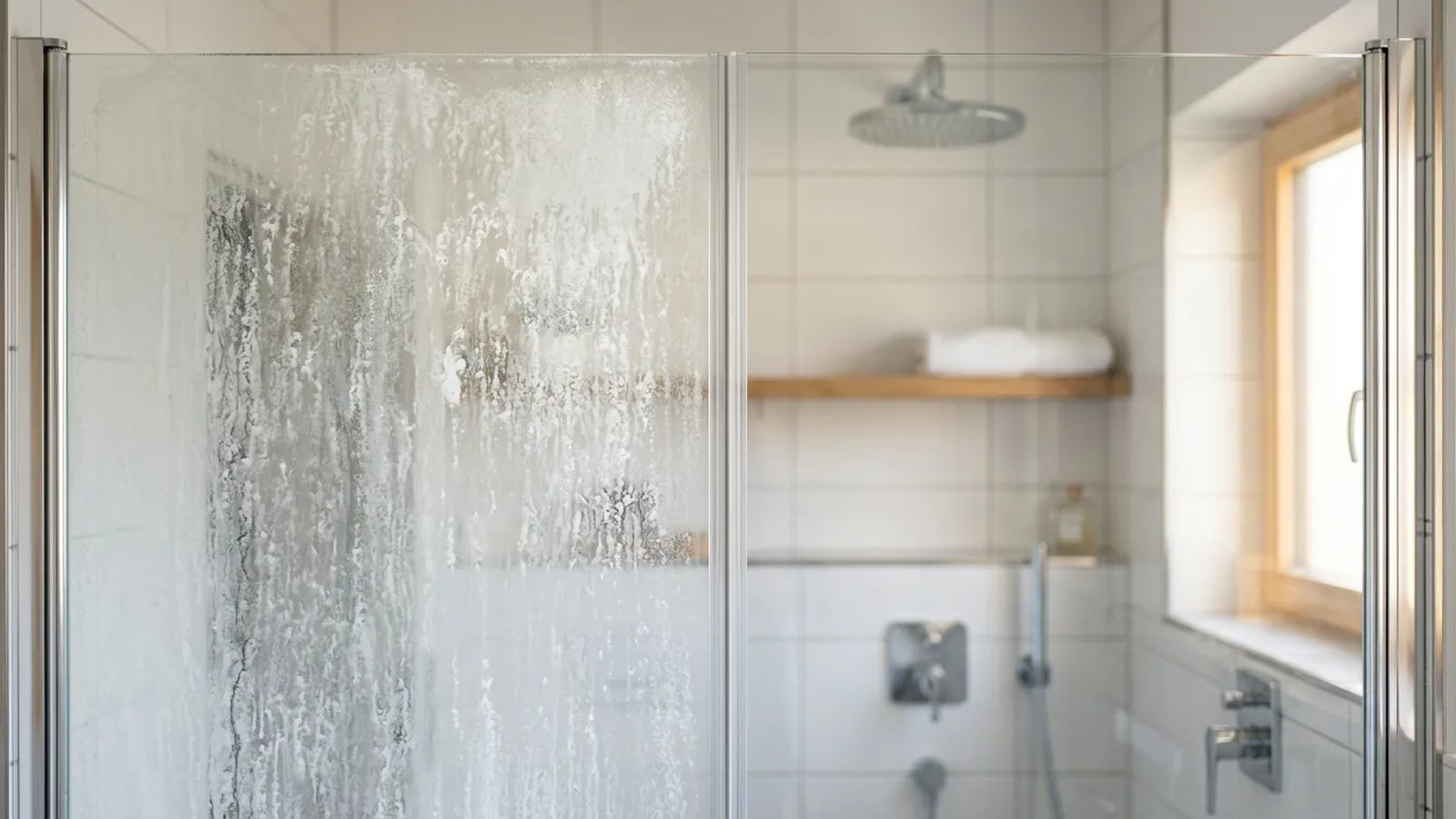
If vinegar and commercial cleaners can't remove the cloudy spots on your shower door, the glass is likely etched. Learn how to diagnose and polish away permanent hard water damage.
Full guide Interior: Paint, Drywall & Trim Learn how to patch drywall, choose the right paint, and update your interior trim.You have scrubbed your shower door with vinegar, baking soda, and every chemical cleaner in the hardware store aisle, but those cloudy white spots refuse to budge. You are likely fighting a losing battle against an etched glass shower door. The minerals haven't just dried on the surface; they have physically eaten into the glass itself.
Many homeowners waste hours of elbow grease trying to chemically dissolve a problem that requires a mechanical fix. Once you understand what is actually happening to your shower door, you can stop buying useless sprays and permanently restore the glass.
This frustrating scenario is all too common, leading many to believe their shower doors are beyond repair. It’s a classic case of misdiagnosis. Without knowing the root cause, you'll keep applying the wrong solutions, pouring money into products that promise miracles but deliver nothing because they aren't designed for structural damage to glass.
Why Are My Shower Stains Permanent?
To fix the problem, you need to know the difference between hard water scale and glass etching. Hard water contains high levels of dissolved minerals, primarily calcium and magnesium. You can check the USGS data on water hardness to see if your region is particularly prone to this issue. Generally, water is considered hard if it contains more than 60 milligrams per liter (mg/L) of dissolved minerals. When hard water dries on your shower door, it leaves these alkaline minerals behind as a chalky white residue called scale.
If you clean scale quickly, it washes away. But if you leave alkaline minerals sitting on glass for months or years, a chemical reaction occurs. The high pH of the mineral deposits actually breaks down the silica in the glass. This process creates microscopic pits and grooves. The glass is no longer smooth; it is physically scarred.
Chemical cleaners cannot fix glass that has been physically pitted; you have to mechanically polish the surface smooth.
Because the surface is rough, it scatters light, making the glass look perpetually cloudy or frosted. No amount of bathroom cleaner will fix this, because there is no stain left to remove. You are looking at the damaged glass itself.
The Vinegar Soak Test
Before you commit to polishing the glass, verify that you are actually dealing with etching and not just an incredibly stubborn layer of mineral scale. The easiest way to do this is the vinegar soak test.
White vinegar is a mild acid that easily dissolves alkaline mineral scale. However, it cannot fix pitted glass. Take a standard paper towel, fold it in half, and soak it completely in standard white vinegar. Press the wet paper towel flat against the cloudiest part of your shower door. The moisture will hold it in place.
Leave the paper towel stuck to the glass for 30 to 45 minutes. Remove the towel and wipe the area clean with a damp cloth. If the glass underneath is crystal clear, you just have a severe scale buildup. If the glass is still cloudy and white, congratulations—you have confirmed it is etched glass.
If the vinegar test *did* clear up the cloudiness, rejoice! You've dodged the etching bullet. For stubborn hard water scale, consider using a specialized descaling cleaner designed for bathrooms, or make a paste with baking soda and vinegar for a natural abrasive scrub. Regular cleaning and a good squeegee habit will keep future scale at bay.
The Only True Fix: Mechanical Polishing
Since etching means the glass surface is physically uneven, the only way to restore clarity is to grind the surrounding glass down until it is level with the bottom of the pits. This sounds intimidating, but auto glass shops do it every day to remove wiper blade scratches.
You will need cerium oxide. It is a rare-earth mineral compound that acts as an ultra-fine abrasive, specifically designed for polishing glass. You can buy a small bag of cerium oxide powder online for about $15 to $25. You will also need a felt polishing pad attachment that fits into a standard power drill.
Cerium oxide is often called "jeweler's rouge" for glass because of its incredible ability to create a perfectly smooth, polished finish without scratching. Unlike harsh abrasives that might leave new marks, cerium oxide works at a microscopic level, gently removing thin layers of glass until the surface is uniform again. The felt pad is crucial as it holds the cerium oxide slurry and provides the necessary friction without generating excessive heat too quickly.
I tackled the primary bathroom shower in my 1990s build last fall. The previous owners had clearly never used a squeegee, and the bottom half of the door looked like frosted privacy glass. After two hours with a $20 bag of cerium oxide and a corded drill, the door was crystal clear again. It takes patience, but the results are immediate.
How to Polish an Etched Glass Shower Door
Before you begin, gather all your materials: the cerium oxide, a small mixing container, water, a spray bottle, your drill with the felt pad, old towels or a drop cloth, painter's tape, safety glasses, and an N95 mask. Having everything within reach will make the process smoother and more efficient. Proper preparation is key to a successful polishing job.
Polishing glass is a messy, wet process. Wear safety glasses and an N95 mask so you don't inhale the dry cerium oxide powder before it is mixed.
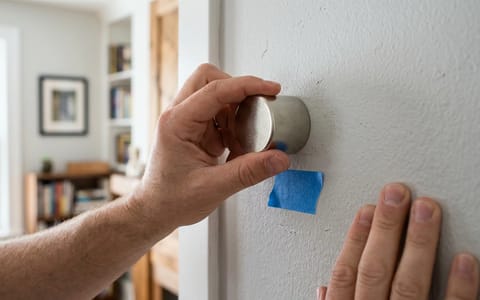
- Protect your bathroom. Lay down an old towel or drop cloth inside the shower pan to catch the slurry runoff, and use painter's tape to cover the metal hinges and handles.
- Mix the polishing slurry. In a small plastic container, mix the cerium oxide powder with water until it reaches the consistency of thin peanut butter.
- Prime the polishing pad. Dip your drill's felt polishing pad directly into the slurry so the face is evenly coated.
- Buff the glass. Press the pad flat against the etched glass, pull the drill trigger to a medium speed, and move in slow, overlapping circles.
- Keep the surface wet. Keep a spray bottle of water in your free hand and spritz the glass every 30 seconds to prevent the compound from drying out.
- Wipe and inspect. After a few minutes of buffing a specific section, wipe it clean with a microfiber cloth to check your progress.
Typical Costs to Fix Etched Glass
If you are deciding whether to tackle this yourself or hire it out, here is a breakdown of what you can expect to spend.
Understanding the costs involved can help you make an informed decision. While DIY methods are significantly cheaper, they require time and effort. Professional services offer convenience and expertise, ensuring a flawless finish without the hassle. Replacing the door is the most expensive option, often reserved for severely damaged glass or when undertaking a full bathroom renovation.
Preventing Future Damage
Once you spend an afternoon polishing your shower door back to perfection, you will never want to do it again. Prevention is entirely about keeping hard water off the glass.
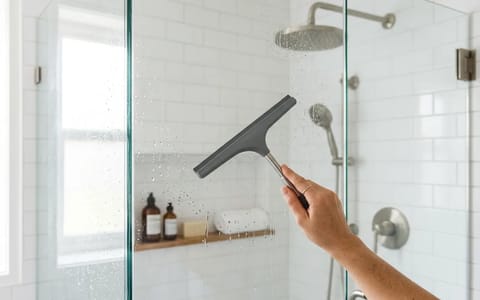
Buy a cheap rubber squeegee and hang it in the shower. Make it a strict habit to squeegee the glass after every single shower. It takes 15 seconds and removes 95 percent of the water droplets before they can dry and leave minerals behind.
Etched glass looks like permanent ruin, but it is just a microscopic texture problem. Grab a drill, mix up some cerium oxide, and put in the mechanical work that chemical sprays can't do. Your bathroom will look years newer by dinner time.
- Use the 30-minute vinegar soak test to determine if you have hard water scale or permanent glass etching.
- Stop wasting money on chemical cleaners; they cannot fix glass that has been physically pitted.
- A $20 bag of cerium oxide powder and a felt drill pad can restore lightly etched glass to factory clarity.
- Keep the glass wet while polishing to prevent heat buildup, which can crack the shower door.