Why Your Basement Floor Drain Smells (And the 1-Minute Fix)
A rotten-egg smell in your basement is alarming, but it rarely means a broken sewer line. Learn how to fix a smelly floor drain in one minute with a bucket of water and a clever mineral oil trick.
Full guide Plumbing Learn how your home plumbing works and how to stop leaks before they ruin your house.You walk downstairs to grab something from storage, and it hits you: a foul, musty, rotten-egg odor permeating the air. Panic immediately sets in. Is it a hidden black mold outbreak behind the drywall? A collapsed main sewer line? Before you start tearing up your flooring or calling an expensive emergency remediation crew, take a breath. If your basement floor drain smells, the culprit is almost always a simple, overlooked maintenance issue that costs absolutely nothing to fix.
Basement floor drains are designed to capture emergency leaks from water heaters, washing machines, or minor flooding. Because they sit largely unused for months or years at a time, they are susceptible to a specific plumbing quirk. We are going to explain exactly why this happens, how to fix it in under sixty seconds, and share a brilliant plumber's secret to ensure the smell never comes back.
Why Your Basement Floor Drain Smells (The P-Trap Explained)
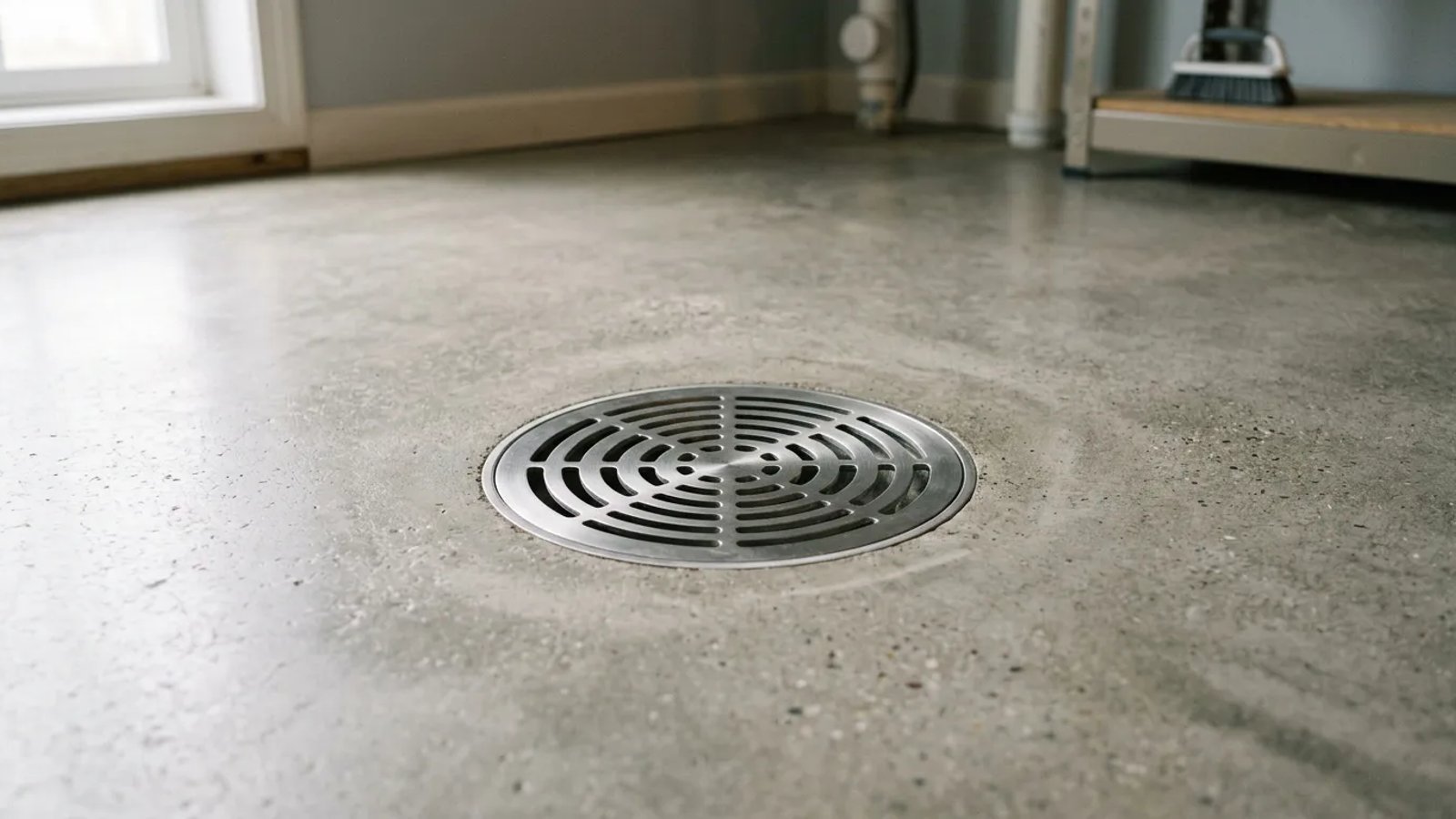
To understand the smell, you have to understand the plumbing right beneath your feet. Just like the sinks and toilets in your bathrooms, your basement floor drain is equipped with a U-shaped pipe called a P-trap. This curved section of pipe is designed to hold a small, continuous pool of water—usually about 3 to 4 inches deep.
This standing water serves a critical purpose: it acts as an airtight seal. Your home's drainage system connects directly to the municipal sewer line or your private septic tank. Without that water barrier, noxious sewer gases—primarily hydrogen sulfide, which produces that distinct rotten-egg stench—would drift freely up the pipes and into your basement.
The problem arises from neglect. Because basement floor drains rarely see active water flow, the water sitting inside the P-trap slowly evaporates over time. Once the water level drops below the curve of the pipe, the seal is broken. The trap is now "dry," and sewer gas has a wide-open highway straight into your home. This evaporation accelerates in the winter when your furnace runs constantly, drastically lowering your home's indoor humidity.
The 1-Minute Fix: Restoring the Water Seal
If you have confirmed the odor is localized around the drain, the solution is incredibly straightforward. You do not need specialized tools, harsh chemicals, or a plumbing license. You just need to restore the protective water barrier.
- Fill a large bucket with water. Draw 1 to 2 gallons of tap water. Warm water is preferable, as it can help dissolve minor dust or cobwebs that may have gathered on the drain grate.
- Pour the water directly down the drain. Pour it at a moderate pace to avoid splashing. You should hear the water hit the bottom of the trap and settle.
- Shine a flashlight into the grate. Look straight down through the slots. You should now see a reflection of standing water a few inches below the surface. This confirms the trap is full.
- Ventilate the basement. Open a window or run a fan for 15 to 30 minutes to clear out the residual sewer gas that had already accumulated in the room.
Once the water is restored, the smell should dissipate entirely within an hour. If the odor vanishes, you have successfully diagnosed and fixed the problem.
The Secret Plumber's Trick: Mineral Oil
Pouring a bucket of water down the drain every month is a perfectly fine maintenance routine, but it is easy to forget. If you want a "set it and forget it" solution, you can use a clever trick involving standard mineral oil, which you can pick up at any pharmacy or grocery store for about $3.
Because oil is less dense than water, it floats. By adding a small amount of oil to a freshly filled P-trap, you create a thin, floating liquid cap resting directly on top of the water. This cap acts as a vapor barrier, completely sealing the water off from the dry basement air and stopping evaporation in its tracks.
A few tablespoons of mineral oil creates a floating vapor barrier that stops trap evaporation for months.
To apply this trick, simply pour 2 to 3 tablespoons of clear mineral oil down the drain grate immediately after you have filled the trap with water. The oil will naturally spread out to cover the surface.
Deep Cleaning a Grimy Drain
What if the P-trap is full of water, but the drain still smells? Over the years, dirt, soap scum from laundry runoff, pet hair, and organic debris can wash into the drain and cling to the sides of the pipe above the waterline. This creates a sticky biofilm where bacteria thrive, releasing a musty, swampy odor that mimics sewer gas.
If the bucket trick didn't eliminate the smell, it is time to clean the pipe walls. Avoid dumping heavy chemical drain cleaners, which can degrade older cast-iron pipes. Instead, use a natural foaming action to scour the grime.
Start by removing the metal grate—most are held in place by two flathead screws. Pour 1/2 cup of standard baking soda directly down the pipe, ensuring it coats the sides. Follow this immediately with 1 cup of white vinegar. The mixture will violently fizz and expand, scrubbing the biofilm away from the pipe walls. Let the foam sit and work its magic for 15 minutes, then flush the entire system with a gallon of boiling water to melt away the loosened sludge.
Recognizing When You Need a Professional
While a dry trap or a dirty pipe accounts for 95% of smelly basement drains, occasionally, the odor points to a structural failure in your home's plumbing system. If you have refilled the trap, cleaned the pipe, and the smell stubbornly persists after 24 hours, you need to look for secondary warning signs.
If you experience any of the "yes" conditions above, the one-minute bucket fix will not save you. A clogged vent stack or a failing main line requires professional diagnostic tools, such as a localized smoke test or a fiber-optic camera inspection.
Home maintenance doesn't always have to be expensive or complicated. The next time a foul odor creeps up from the basement, grab a bucket and head downstairs. By understanding how your home's plumbing breathes and utilizing simple preventative measures like the mineral oil trick, you can keep your basement smelling fresh and your stress levels low.