
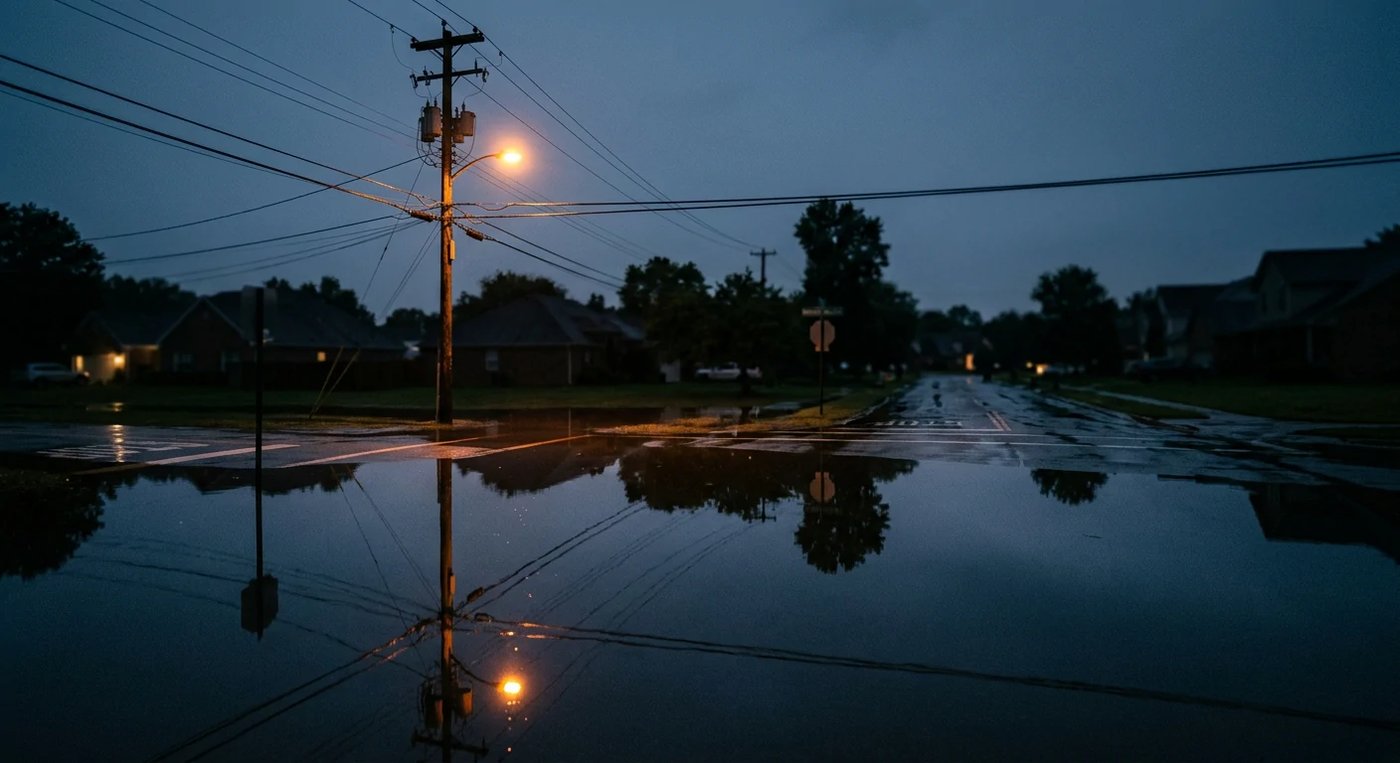
Late summer in the Midwest is mostly about water finding places it shouldn't be. Severe storms are battering roofs, while underground, aging city pipes are washing the soil right out from under our streets. The final days of August are testing our homes and our patience.
Why the streets are swallowing cars
If you live in Kansas City or Omaha, you might be looking at the pavement a little suspiciously right now. A massive sinkhole just shut down a major trafficway. Earlier this year, an Omaha street swallowed a pair of vehicles.
These aren't natural bedrock cave-ins. Nebraska Public Media reports the cause is a mix of old plumbing and Ice Age geology. Much of the region sits on loess, a highly erodible soil. When an aging water main bursts, the rush of water washes the dirt away. That leaves a giant void. The asphalt road acts like a bridge over nothing, right up until gravity takes over.
Nobody was hurt in the recent Kansas City collapse, according to Axios. But fixing these voids is slow and expensive. State geologists want residents to report any unusual sinking of the ground right away. It might just look like a small dip in your yard. Internal erosion works quietly, though, right up until the ground gives out.
What's happening in your state
Indiana: Residents are still cleaning up from the massive August 11 derecho. The bureaucratic gears are finally turning. The federal government just approved a major disaster declaration for parts of the state to unlock federal assistance for homeowners.
The wait has been grueling. Some residents spent over a week without power and struggled to find food as local grocery store freezers sat empty. Now the focus shifts to paying for the damage. This is especially true for folks who lack specific coverage like flood insurance for fallen trees and broken fences.
Before you head to a mobile intake center in Crown Point or Hobart, there's a catch you need to know. CBS News points out that FEMA generally only covers what your private insurance denies. Your absolute first step is filing a claim with your own carrier. If you're uninsured or underinsured, the state is offering emergency grants to help cover the gap.
Illinois: Keep your paperwork handy. The state applied for federal relief this week. Damage assessments are coming next.
What this means for you
- Water is the enemy of your home's structure. If you notice unusual settling or open holes in your yard, don't ignore them. Our foundation guide explains what to look for before a minor washout becomes a major collapse.
- If you're in the path of recent storms, take photos of everything before you clean up. Handling home emergencies means documenting the damage thoroughly for your insurance adjuster first. Federal aid will ask for that proof later.
- Fall is right around the corner. If you live in the Midwest, now is the time to clear your gutters and check the drainage. Get started with our Indiana seasonal checklist to make sure water flows away from your house, not under it.