What is an adjuster?
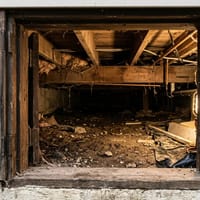
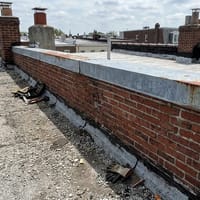
An adjuster is a professional who visits your home after you file an insurance claim. If a heavy storm tears off your shingles or a kitchen fire ruins your cabinets, this is the person who shows up to look at the mess. They inspect the damage to decide exactly how much money the insurance company should pay for your repairs.
The word comes from the Old French word adjuster, which means to make right or correct. The insurance industry uses this term because the adjuster calculates the correct and fair amount of money owed to you under your policy.
The three types of adjusters
You will run into three main types of adjusters. It is very important to know who pays them and who they work for.
- Company adjusters: These people work directly for your insurance company. They handle everyday claims and receive a regular salary from the insurer.
- Independent adjusters: These professionals work for a third party. Insurance companies hire them when there is a massive disaster, like a hurricane or wildfire, and they need extra help fast. They still report directly to your insurance company.
- Public adjusters: These adjusters work only for you. You hire them if you think the insurance company is paying too little or denying a valid claim. They do not get a salary. Instead, they take a cut of your final payout. This fee is usually 10 to 20 percent of the total claim, though ranges vary by state and the size of the disaster.
What happens during a visit
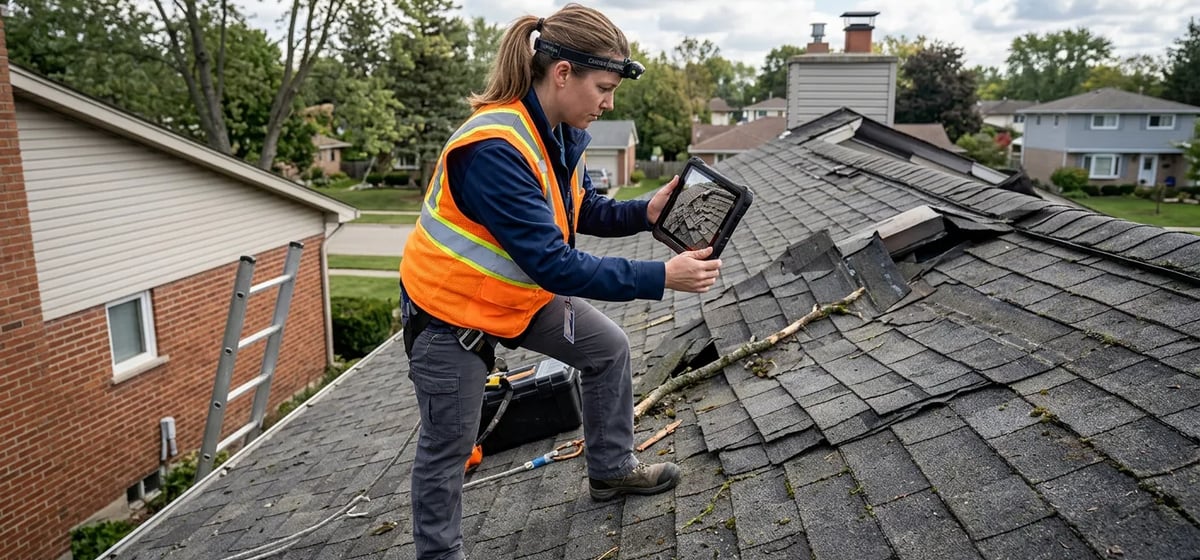
When the adjuster arrives, they will walk around your property to document everything. They take dozens of photos and measure the damaged areas with a tape measure or laser. If you have a damaged roof, they will climb up to look closely at the shingles and flashing. You can learn more about how roofs work in our guide to Roofing.
They will also ask you questions about what happened. They want to know exactly when you noticed the problem and what steps you took to stop it from getting worse. After the visit, the adjuster writes down everything they saw. They use special software to build a detailed repair estimate. This long list includes the cost of materials like drywall, paint, and wood. It also includes the local cost of labor to fix it.
Why this matters to you
The adjuster holds the keys to your repair budget. Their final report tells the insurance company exactly how large your check should be. If the adjuster misses a damaged floorboard or a cracked window, the money to fix those items will not be in your payout.
If you disagree with the company adjuster, you have options. You can ask local contractors to write their own estimates to compare against the adjuster's numbers. You can also hire a public adjuster to fight for a higher payout. Before you take that step, make sure you understand the rules of your Home Insurance policy.
How to prepare for the inspection
You can make the adjuster's job easier and help your claim go smoothly. Before they arrive, take your own clear photos and videos of the damage. If you have a burst pipe or a hole in the roof, do what you can to stop the damage from spreading. You can read more about handling sudden disasters in our guide to Home Emergencies.
Keep all the damaged parts. Do not throw away ruined carpets, broken furniture, or melted siding until the adjuster sees them in person. If you throw things away too early, the adjuster cannot prove they were ruined. Finally, gather any receipts you have for major items that were destroyed. Having proof of what you paid helps the adjuster give you the right amount of money to replace them.