
If you've been reading the headlines lately, you might think the artificial intelligence boom is about to break the electrical grid and send your utility bills into the stratosphere. Data centers are incredibly thirsty for power. But behind the scenes, state regulators are quietly stepping up. They're forcing tech giants to pay their own way, and they're making it easier than ever for you to upgrade your home’s efficiency.
Making Big Tech foot the bill
For years, when a massive new factory or server farm came to town, everyday homeowners often absorbed the hidden costs of upgrading the local power grid. That era is ending. Regulators are suddenly playing hardball with heavy energy users to protect residential wallets.
Take Google’s new data center in Morgan County, Indiana. Under a newly approved plan, the tech giant has to cover 100 percent of the energy, infrastructure, and transmission costs needed to serve its facility, according to Daily Energy Insider.
They're even locked into an 80-percent minimum demand obligation. That means Google has to pay for that massive block of power whether they actually use it or not. This ensures everyday utility customers aren't left holding the bag if the company scales back.
The clever workaround for your electrical panel
While regulators wall off your bill from industrial strain, they're also tearing down the red tape that keeps homes from generating their own power. A report from Solar Power World tracked a massive wave of policy updates across the country. Most of these target annoying residential roadblocks.
The best news for your budget is the push for meter socket adapters. Historically, if you wanted to add solar panels, you often had to rip out and replace your entire home electrical panel—a surprise expense that easily kills a project. These new adapters let you plug a solar system directly into the meter. It's a brilliant, inexpensive workaround that bypasses the panel entirely.
What's happening in your state
The push to modernize is happening almost everywhere, but Illinois, New Jersey, Maryland, California, and Massachusetts saw the highest volume of solar policy activity recently.
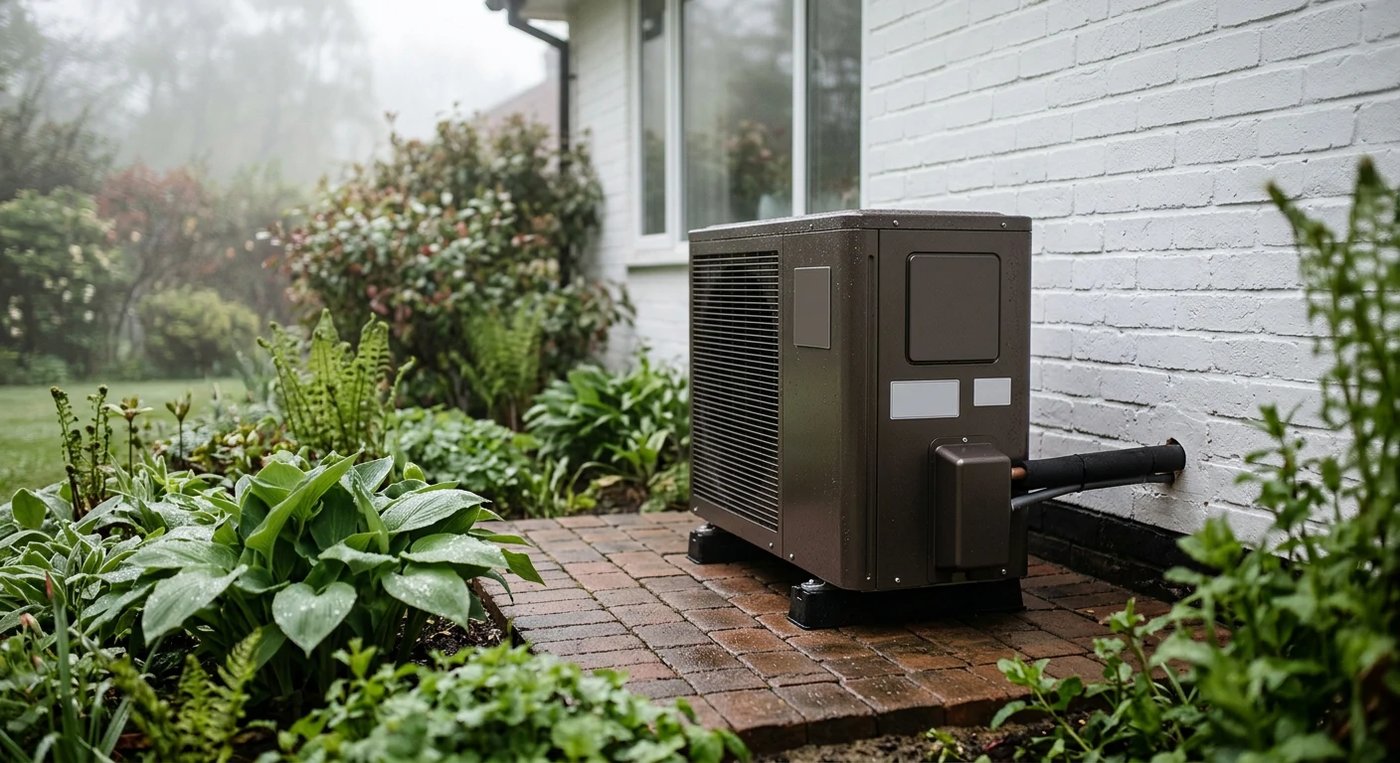
Upgrading everyday homes is actually the secret to stabilizing the grid. RMI found that swapping out old, inefficient electric resistance heating for modern heat pumps creates new "headroom" on local power networks.
These systems are incredibly efficient. In fact, strategic heat pump deployment could reduce residential electric rates by an average of 6% in summer-peaking states. You get a more comfortable house. The local utility gets a more reliable network.
The bottom line for you
- If you live in the Midwest and are worried about the data center boom raising your rates, check out our electrical guide for Indiana to see how local utility rules are shifting in your favor.
- Been told you can't get solar without a massive panel upgrade? Ask your installer about meter socket adapters, or review our solar guide for New Jersey and other high-activity states for the latest local workarounds.
- Upgrading to a heat pump lowers your monthly usage. It also reduces the overall strain on the grid, so you're actively helping to keep property taxes and home finances manageable for your entire community.