What It Is
A heat pump is an energy efficient system that heats and cools your home. It moves heat from one place to another instead of generating it. The concept dates back to the 1850s when Lord Kelvin proposed using mechanical systems to move heat. The term itself combines the old English words for high temperature and a mechanical lifting device.
In the summer, it acts exactly like a normal air conditioner. It pulls heat from inside your house and dumps it outside. In the winter, it reverses the process. It pulls warmth from the outside air and moves it into your house. Even when it feels freezing outside, there is still heat energy in the air for the system to grab.
Why It Matters to You
Heat pumps run entirely on electricity. They don't burn gas, oil, or propane. Because they just move heat around rather than creating it from scratch, they are incredibly efficient. This can mean much lower utility bills for you.
If you are looking at your overall HVAC & Climate Control setup, a heat pump is a great choice. It replaces both your traditional furnace and your central AC unit. You only have one system to maintain. Over Your First Year as a Homeowner, you will notice how quiet and steady the heating feels compared to the sudden blast of a gas furnace.
Types of Heat Pumps
You will usually see two main types of heat pumps in residential homes. The first is an air source ducted system. This setup uses the existing metal ductwork in your attic or basement to blow conditioned air into every room. If you already have a standard central air system, replacing it with a ducted heat pump is fairly straightforward.
The second type is a ductless mini split. These systems don't require any hidden ductwork. Instead, you mount a small blower unit high up on a wall inside a specific room. A small bundle of pipes connects that indoor blower to an outdoor compressor. Ductless units are perfect for older homes, garage conversions, or additions where running new ductwork is too expensive or impossible.
There are also geothermal heat pumps. These pull heat from the ground instead of the air. They are incredibly efficient but cost much more to install. A geothermal system can run from 15,000 to 30,000 dollars because it requires digging deep trenches in your yard.
What to Watch For
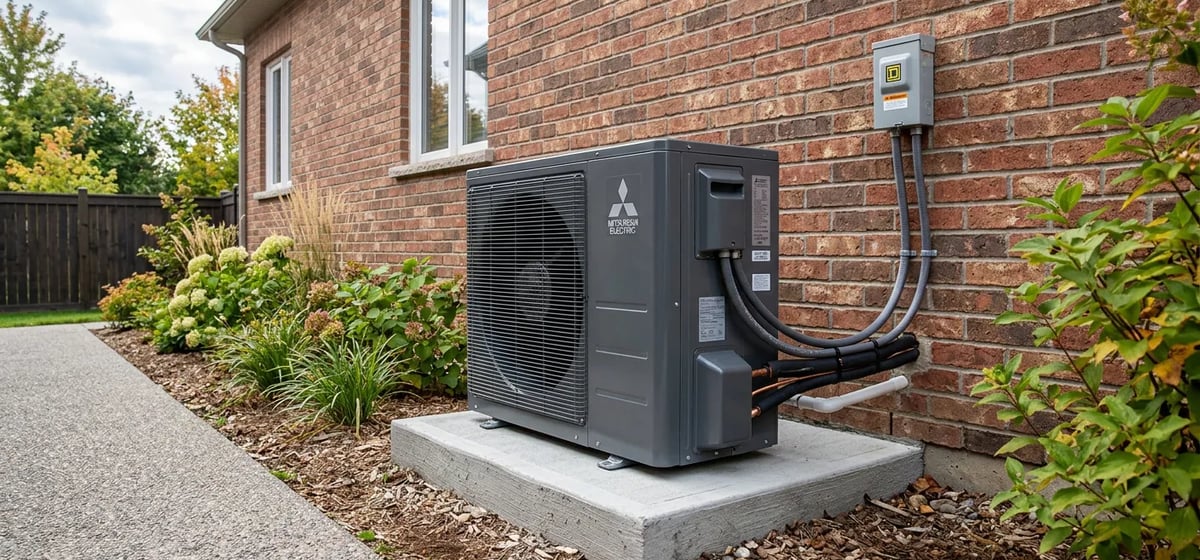
Heat pumps look just like standard air conditioning units sitting outside your house. You need to keep the area around the unit clear. Trim bushes back at least two feet. Keep leaves and snow away from the coils so the unit can breathe.
Older units struggled in very cold climates. They often relied on expensive electric backup strips when temperatures dropped below freezing. Modern cold climate heat pumps work well even when it drops to zero degrees. Still, you should check your air filters every 30 to 60 days. A dirty filter forces the unit to work harder and drives up your electric bill.
What It Costs
Replacing or installing a new heat pump is a major project. When reading up on Hiring Contractors & What Things Cost, you can expect to pay anywhere from 5,000 to 10,000 dollars for a standard system. High end systems or complex installations can push the price up to 15,000 dollars. Keep in mind that these ranges vary widely based on your location, the size of your home, and the brand you choose.
Because they are energy efficient, you can often find local rebates and federal tax credits. These incentives can lower your final cost by thousands of dollars. Always ask your contractor to check for available rebates before you sign a quote.