
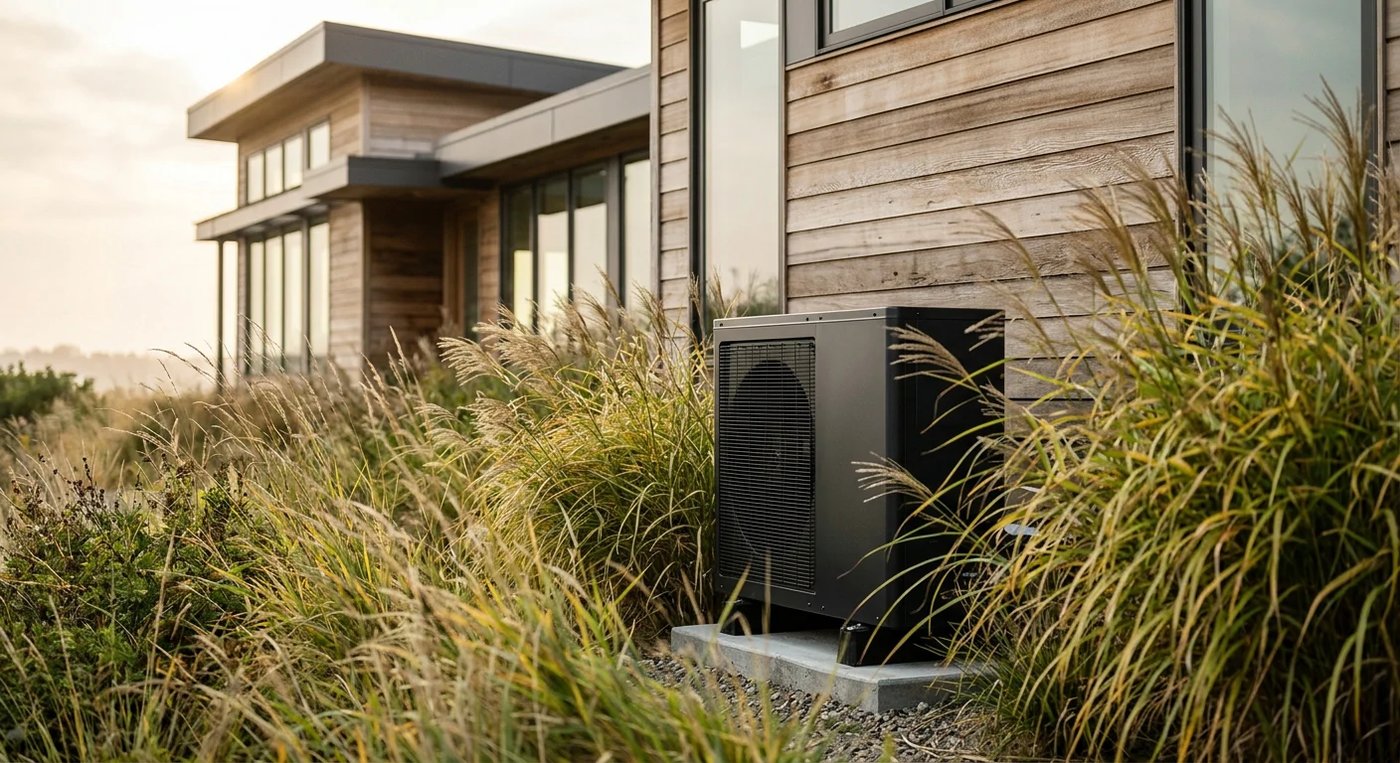
Every time you open an app or ask a chatbot a question, a server somewhere uses a tiny bit of electricity. Multiply that by billions, and Big Tech’s energy appetite is suddenly the biggest wildcard in your monthly utility budget. Homeowners are already facing pressure to swap out old gas furnaces for electric heat pumps. Now regulators are fighting over who actually pays for the massive grid upgrades required to keep the internet humming.
The giant invisible neighbor
Electricity bills are already painful. In places like Colorado, the largest provider has hiked electric rates 22.2% since September 2023. That's more than three times the rate of inflation. It's a bitter pill for families trying to budget for winter heating.
Now utilities are staring down a tidal wave of new demand from data centers. Xcel Energy estimates it will need 2 gigawatts of generating capacity just for these facilities by 2030.
Building out power plants and transmission lines to handle that kind of load costs a fortune. If utilities just pass those infrastructure costs onto everyone, residential ratepayers end up subsidizing Silicon Valley.
A surprising silver lining
But there's a flip side to this energy hunger. If regulators force tech companies to pay their own way upfront, those massive data centers could become a cash cow for the grid.
These facilities use huge amounts of power around the clock, which means they generate enormous revenue. A recent review by Charles River Associates, reported by Daily Energy Insider, found this influx of cash can spread fixed electricity system costs across a broader base.
If the math works out, that revenue could actually reduce rates for everyone else. It could be a surprise subsidy for your home.
What's happening in your state
Colorado is currently ground zero for this debate. The state's electric grid actually has winter capacity headroom to power 1.6 million more clean energy heat pumps, according to The Colorado Sun. Filling that headroom with residential heat pumps could lower Colorado electricity rates by 9%.
But regulators are terrified data centers will eat up that capacity first.
They're debating a large load tariff that would force any new customer needing 50 megawatts of power or more to pay steep upfront fees. Eight local municipalities have even enacted or are considering moratoriums on data centers until the financial guardrails are in place. The outcome here will likely set the blueprint for how the rest of the country handles the tech industry's power tab.
The bottom line for you
- If you're considering ditching your gas furnace, make sure your home's wiring can handle the extra load before you buy the equipment. Our guide to home electrical systems walks you through what to check.
- Generating your own power is the best defense against unpredictable utility rates. If you live in a high-sun state, run the numbers with our Colorado solar panels guide to see when a rooftop system breaks even.
- Federal tax credits for geothermal heat pumps are locked in for the next few years. That means a massive discount if you want to upgrade your HVAC and climate control setup.