What Is a Furnace?
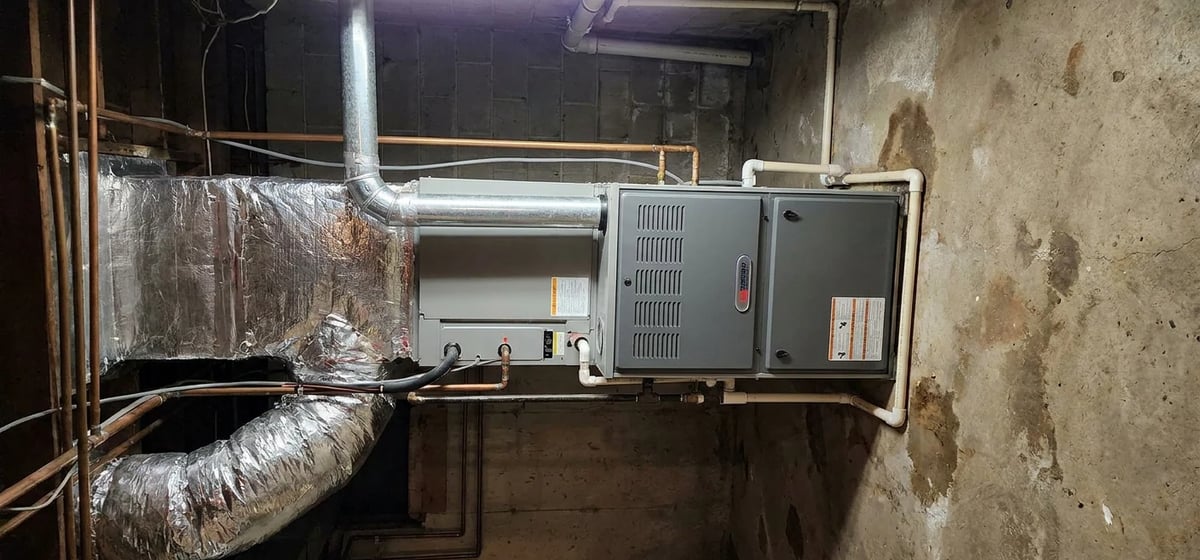
A furnace is the main heating unit in most American homes. It is a large metal box that makes warm air and blows it through a network of ducts to heat your living space. You will usually find it hidden away in a basement, a crawlspace, an attic, or a dedicated utility closet. The word comes from the Latin word fornax, which means an oven or a kiln. Early Romans used this term to describe large fires used for heating baths. Today, it is the heart of your HVAC & Climate Control system. Most modern homes rely entirely on this single appliance to survive freezing winter temperatures.
How a Furnace Works
Most homes use a forced air system to stay warm. Your furnace takes in cold air from inside your house through return vents. It pulls this air through an air filter to catch dust, pet hair, and dirt. Next, it heats the air. Gas furnaces use a burner to create flames inside a metal component called a heat exchanger. The cold air blows over this hot metal and warms up quickly. Electric furnaces use hot electric heating coils instead of flames. Oil furnaces spray a fine mist of oil to create a controlled fire. Finally, a large fan called a blower motor pushes the newly warmed air through the supply ducts and out of the vents in your rooms. The cycle repeats until your thermostat decides the house is warm enough.
Why It Matters to You
Your furnace keeps you safe and comfortable during the coldest months of the year. A well maintained furnace runs quietly and keeps your monthly utility bills low. If you ignore basic upkeep, it will waste energy and eventually break down when you need it most. Safety is another big reason to care about this machine. Gas and oil furnaces produce carbon monoxide when they burn fuel. This is a highly dangerous gas you cannot see or smell. A healthy furnace vents this exhaust gas safely outside through a special pipe. However, an old or damaged heat exchanger can crack and leak this gas directly into your home. This is exactly why you need carbon monoxide detectors and annual safety checkups.
What to Watch For
Furnaces usually give you warning signs before they completely fail. Pay close attention to how your heating system sounds, smells, and performs.
- Strange noises: Loud bangs, high pitched squeals, or deep rattling sounds mean internal parts are loose or wearing out.
- Odd smells: A faint dusty smell is normal the very first time you turn the heat on in the fall. A burning plastic smell or a rotten egg smell is bad. Read more about Smells & Odors to know when to call a professional right away.
- Cold spots: If some rooms are freezing while others are warm, your furnace might be struggling to push air through the ducts.
- Frequent cycling: If your furnace turns on and off every two or three minutes, it is working much too hard. This usually means you have a severely clogged air filter that is blocking the airflow.
Typical Costs and Lifespan
A standard home furnace lasts 15 to 20 years with regular maintenance. If your unit is getting close to that age, you should start saving for a replacement. Buying a new furnace is a major home expense. A new natural gas furnace usually costs 3,000 to 7,000 dollars to buy and install. High efficiency models that save money on gas can cost up to 10,000 dollars. Electric furnaces are cheaper upfront and usually cost 2,000 to 4,000 dollars to install. Keep in mind that exact price ranges vary based on where you live, the brand you choose, and the square footage of your home. You can avoid a freezing Home Emergencies call by replacing a failing furnace in the fall before the heavy winter weather begins.