
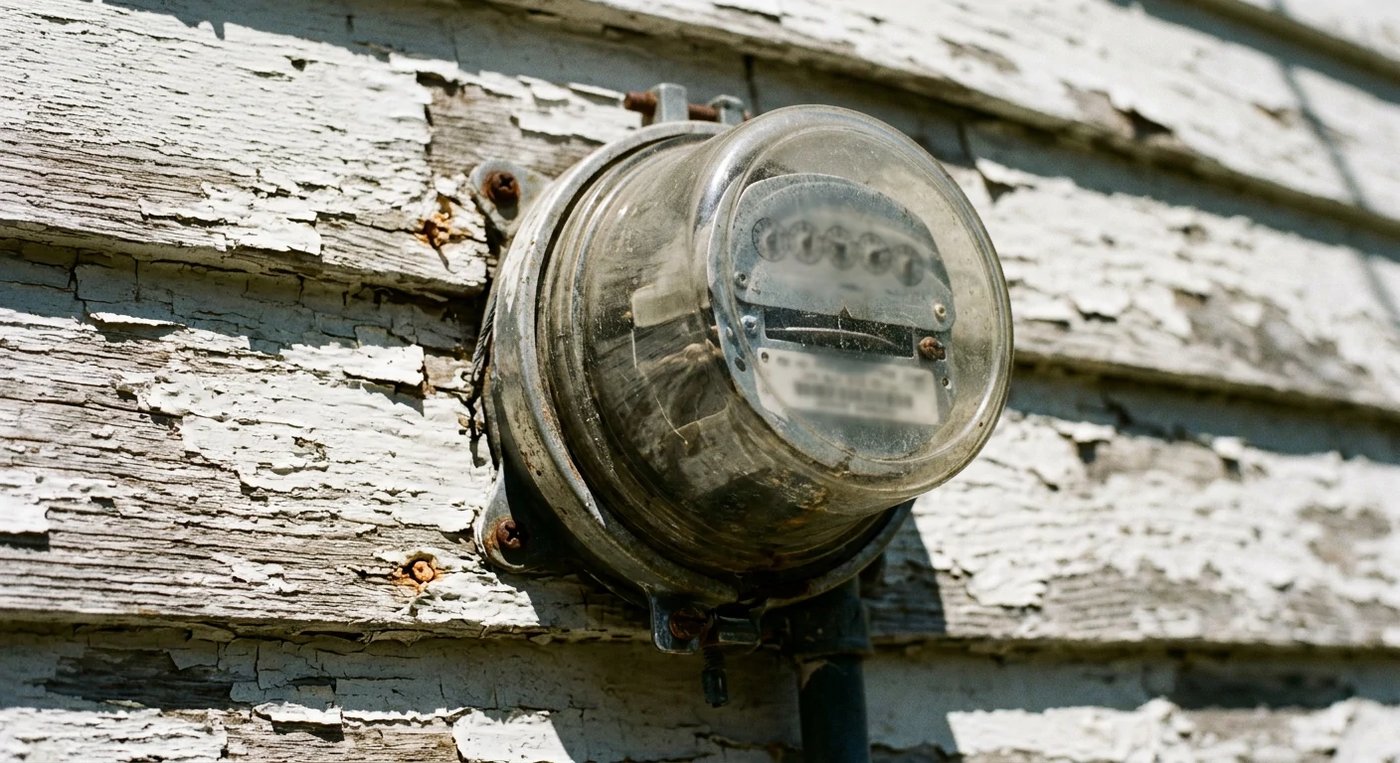
You know that sinking feeling when you open your electric bill and realize you're paying more for the exact same amount of power? You aren't alone. Utility rates are climbing across the country, and homeowners are looking for a way out. They're finding it in community solar grids and a radical reinvention of the kitchen fridge.
Taking the power back
Look at the Saint Regis Mohawk Tribe in upstate New York. Tribal members on the U.S. side of the border face some of the highest electricity rates in the 48 contiguous states. The billing grew so predatory that many residents found themselves trapped in 'perpetual arrears' with 20-year payback terms. One elder was paying nearly three times the standard National Grid rate thanks to a contract with an outside energy service company.
The Akwesasne Housing Authority didn't just accept the hikes. Led by Executive Director Liz Jacobs and Finance Director Kayla Herne, the authority leaned on its traditional matriarchal government to protect its neighbors. Jacobs describes Mohawk women as the 'seed planters' of their community. Here, they are planting infrastructure.
The Department of Energy reports the authority built a community-scale solar farm to serve 159 tribal housing buildings. By pairing solar panels with geothermal heat pumps, the new Sunrise Acres senior housing expansion used 60% less energy and cut utility bills in half. The Go Solar net-metering program should reduce energy costs for subscribers by $4.4 million over the life of the project. It's a clear blueprint for neighborhoods trying to physically disconnect from punishing utility monopolies.
Reinventing the icebox
While communities tackle the grid, researchers are going after the biggest energy hog inside your house. Oak Ridge National Laboratory and General Electric partnered to redesign the refrigerator from the ground up.
Forget the noisy compressors and chemical refrigerants we've relied on for a century. This new design uses the magnetocaloric effect. It creates cooling through magnetic fields. The system is entirely fluorocarbon-free. Better yet, the Department of Energy estimates these magnetic technologies offer potential energy savings of 20%–30% over conventional systems.
The project aims to beat current minimum efficiency standards by a wide margin. If the technology takes off, it could drastically shrink residential power loads across the country. For you, it means your next kitchen upgrade might actually make a noticeable dent in your monthly overhead without sacrificing performance.
The bottom line for you
- If your fridge is old enough to vote, it might be time for an upgrade. Our appliances guide can help you figure out if the energy savings will pay for the replacement.
- Community solar is expanding fast, especially up north. If you're tired of relentless utility hikes, check out our Solar Panels guide for New York to see what local net-metering programs and incentives you can claim.