Crawl Space Sweating? How to Stop Condensation Fast
As spring humidity rolls into summer heat, warm air hitting cool foundation walls creates damaging crawl space condensation. Learn how to stop the sweating, seal your vapor barrier, and protect your wood joists from rot.
Full guide Foundation & Structure Learn how to spot dangerous foundation cracks and protect your home from costly structural damage.As the humid heat of summer gives way to damp autumn weather, outdoor moisture levels often remain stubbornly high. You might pop your head under the house to check on a pipe or grab a stored item, only to find water beads clinging to the floor joists, ductwork, and foundation walls. This is known as crawl space sweating.
Left unchecked, this constant moisture turns dry structural wood into a breeding ground for rot, attracts pests, and causes fiberglass insulation to grow heavy and sag to the dirt floor. Learning how to stop crawl space condensation promptly saves your foundation and prevents musty odors from seeping into your living space above.
Why Does Crawl Space Condensation Occur?
Crawl space condensation is entirely driven by physics. Because your crawl space is shielded from the sun and sits against the earth, it stays naturally cool year-round, usually hovering between 55°F and 65°F. When warm, humid outdoor air enters the space, it cools rapidly.
Cold air holds less moisture than warm air. As the air temperature drops, it reaches its dew point. Excess water vapor condenses directly onto the coldest surfaces available, such as your uninsulated water pipes, metal HVAC trunks, and wooden floor joists.
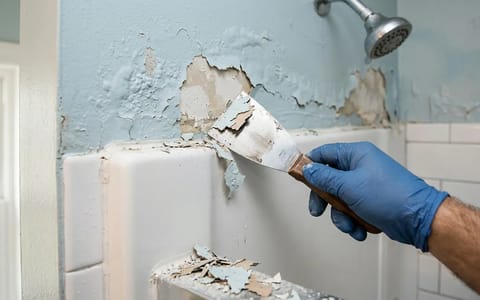
Beyond the immediate appearance of water droplets, persistent condensation creates a cascade of problems. Elevated humidity fosters mold growth, which degrades wood and compromises indoor air quality. Constant moisture also softens wooden structural elements like floor joists and subflooring, making them susceptible to rot and weakening their integrity over time. This can manifest as bouncy floors or even structural sagging.
Pests like termites, carpenter ants, and rodents thrive in damp, dark environments. A moist crawl space provides an ideal habitat, increasing the risk of costly structural and wiring damage. Addressing condensation safeguards your home's structural health and protects against pest infestations.
Step 1: Inspect and Upgrade the Vapor Barrier
The dirt floor under your house naturally pumps gallons of water vapor into the air every single day. A vapor barrier is a thick sheet of plastic that traps this ground moisture before it can evaporate into your crawl space.
Many older homes have thin, 6-mil clear plastic loosely tossed over the dirt. This thin material degrades, tears, and shifts out of place. During a recent 2026 inspection, I found original 6-mil plastic that looked like shredded cheese simply because the homeowners dragged storage boxes across it. We replaced it with a heavy-duty 12-mil reinforced poly, overlapped the seams by 12 inches, and sealed them with specialized waterproof butyl tape. The humidity drop was noticeable by the next morning.
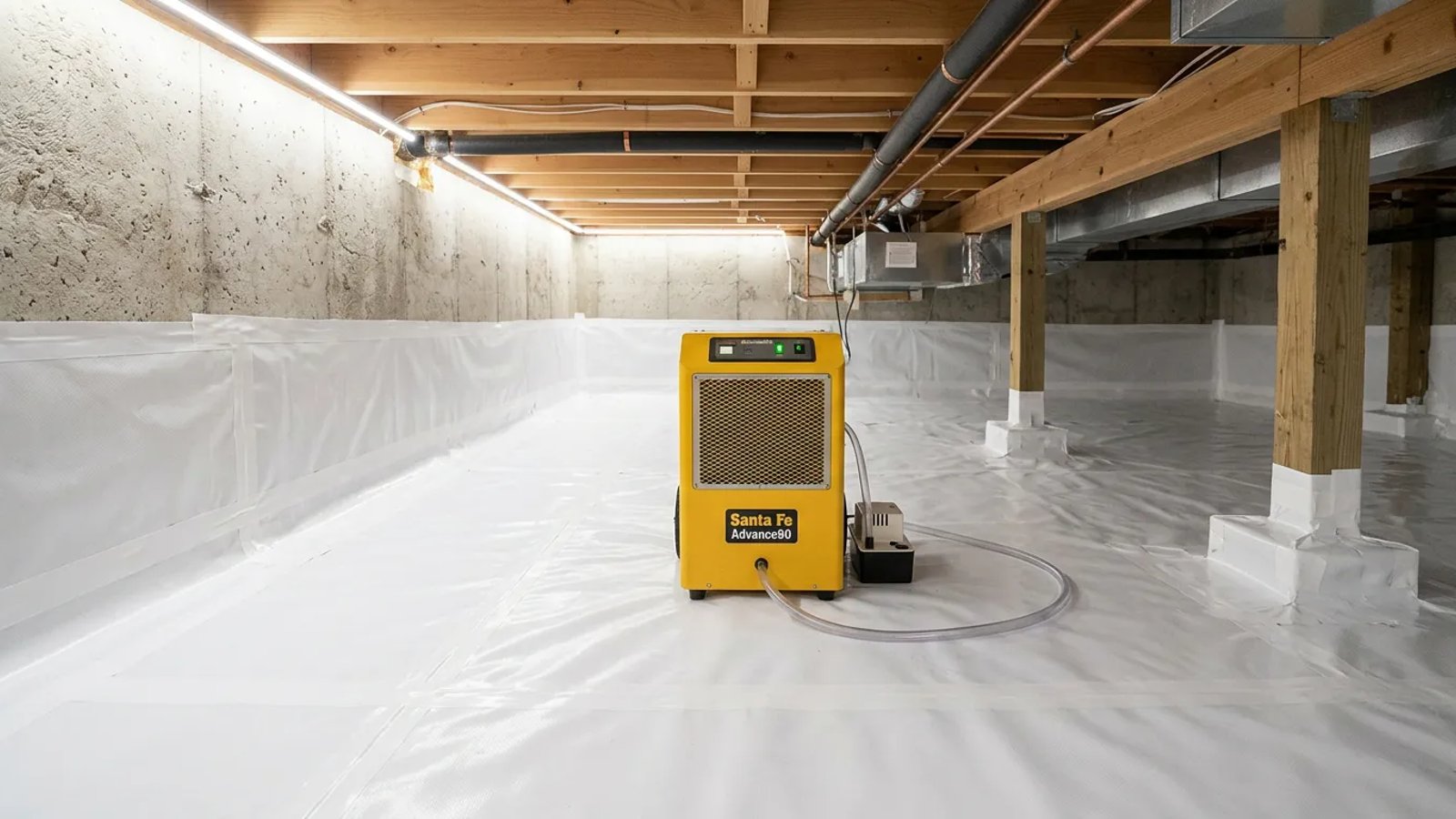
If you are doing this yourself, buy a roll of 10-mil or 12-mil string-reinforced polyethylene. Overlap all seams by at least a foot. Run the plastic about six inches up the foundation walls and secure it using double-sided seam tape and masonry pins driven in with a hammer drill.
Proper installation of a heavy-duty vapor barrier is a foundational step in controlling crawl space humidity. It creates a cleaner, drier environment that discourages mold growth and pest activity. When planning your installation, ensure the plastic sheeting extends up the piers and foundation walls to create a continuous seal.
Should You Close Your Crawl Space Vents?
For decades, building codes required open vents in crawl spaces under the assumption that fresh air would dry out the dampness. Modern building science has proven this is exactly the wrong approach in areas with humid weather.
Venting a cool crawl space with warm, humid air just feeds the condensation cycle.
Opening vents during warmer months invites moisture inside. According to current 2026 EPA moisture control guidelines, unvented or conditioned crawl spaces perform significantly better at preventing mold and rot in mixed and humid climates. By sealing the vents with rigid foam board and spray foam, you stop the influx of wet outside air entirely.
The strategy of sealing crawl space vents, often part of a larger encapsulation project, fundamentally changes the environment under your home. By preventing the ingress of humid air, you stabilize the temperature and humidity, making it easier for a dehumidifier to maintain optimal conditions. This approach also helps keep conditioned air from your living space from leaking into the crawl space, improving your home's energy efficiency.
Step 2: Stop Outside Water Intrusion
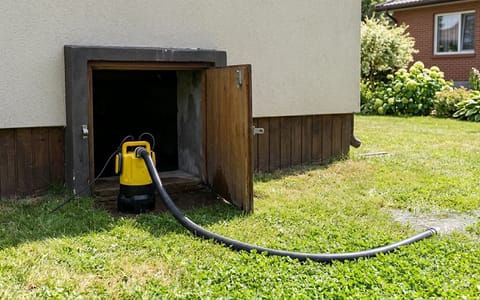
Before effectively drying the air inside, you must stop bulk water from getting under the house during heavy rainstorms. Surface water management is inexpensive, highly effective, and completely DIY-friendly.
- Clean your gutters. Overflowing gutters dump hundreds of gallons of water directly against your foundation walls, which eventually seeps into the crawl space.
- Extend your downspouts. A standard downspout elbow drops water just inches from the house. Attach corrugated black plastic extensions to route the water at least 6 feet away from the foundation.
- Fix the grading. The soil around your house should slope away from the foundation. Aim for a drop of about 6 inches over the first 10 feet. Use dense topsoil or clay to build up the slope, not loose mulch.
Step 3: Install a Crawl Space Dehumidifier
Once you have sealed the floor and blocked the vents, the final step to stop crawl space condensation is active drying. You need a machine to pull the remaining moisture out of the air.
Do not buy a standard $150 bedroom dehumidifier from a big box store. They are not rated to operate in the low temperatures of a crawl space, and their coils will quickly freeze into a block of solid ice. Instead, invest in a dedicated crawl space dehumidifier.
Look for a unit rated for at least 70 pints per day (PPD) under current Department of Energy testing standards. These commercial-grade machines have powerful fans that circulate air across the entire footprint of the house. Set the humidistat to 55%. Most importantly, they use a gravity drain hose. You can route this hose directly outside or into a sump pump pit, meaning you never have to crawl under the house to empty a plastic bucket.
Regular maintenance of your crawl space dehumidifier is crucial for its longevity and effectiveness. This typically involves cleaning or replacing the air filter every three to six months, depending on the dustiness of your crawl space. Periodically check the drain hose for kinks or blockages to ensure continuous drainage.
New for 2026: Smart Dehumidifier Integration
If you are upgrading your moisture control system this year, consider that the latest 2026 crawl space dehumidifiers increasingly feature built-in Wi-Fi and smart home integration. Instead of relying solely on a separate remote sensor, modern units send humidity alerts, filter replacement reminders, and active drainage status directly to your smartphone. This eliminates the guesswork and alerts you instantly if the unit loses power or the drain line clogs.
How to Monitor Your Progress
You do not need to suit up and army-crawl through the dirt every week to know if your fixes are working. Buy a simple digital hygrometer with a remote sensor. As of 2026, they cost about $25 to $35 online.
Place the battery-operated sensor on a floor joist near the center of the crawl space, and keep the digital display screen in your kitchen or living room. You want that number to stay between 45% and 55%. If you see it creeping past 65% for more than a few days, you know it is time to check the dehumidifier filter or look for a torn vent cover.
Stopping the sweat comes down to three basic rules: keep the ground covered, keep the outside rain away, and dry the trapped air. Tackle those, and your foundation will stay dry and solid through the wettest, stickiest days of the year.
- Inspect your vapor barrier for tears and ensure all seams overlap by at least 12 inches.
- Direct surface water away from your foundation using clean gutters and 6-foot downspout extensions.
- Seal open vents and install a commercial-grade dehumidifier to actively control summer humidity.