Fogged Window Repair: Can You Clean Between the Panes?
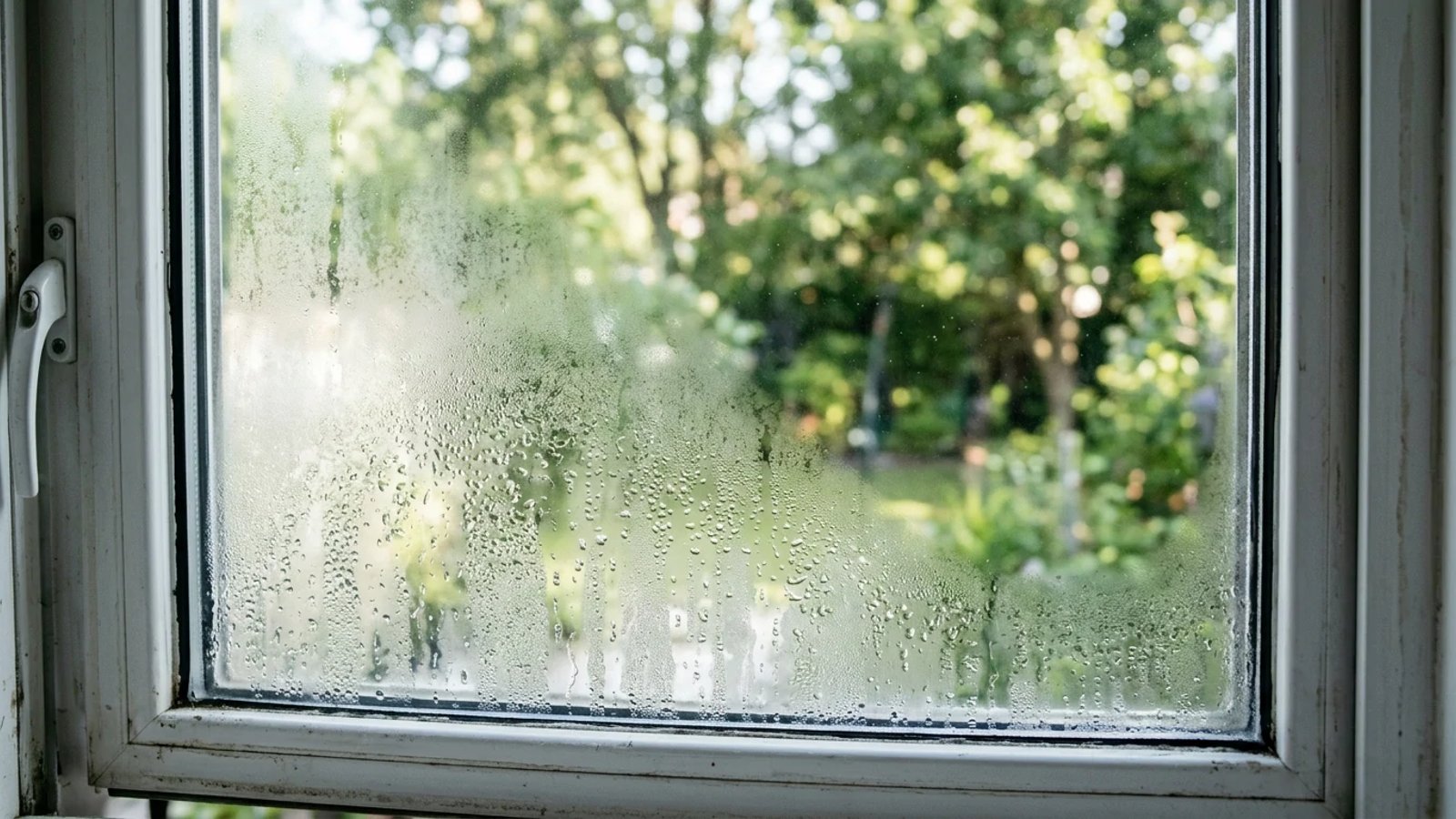
When condensation gets trapped between double pane windows, no amount of wiping will clear the haze. Here is the truth about fogged window repair, DIY defogging kits, and when to replace the glass.
Full guide Windows & Doors Learn how to spot energy leaks, fix drafts, and decide when to replace your windows and doors.You spray the glass cleaner, grab a fresh microfiber cloth, and wipe the window until your arm aches. But the haze refuses to budge. If you are dealing with a cloudy window that will not wipe clean, the grime isn't on the inside of your room or the outside of your house. It is trapped dead center, right between the panes of glass.
This is a classic sign of a failed window seal. It ruins your view, makes your house look unkempt from the street, and signals a drop in your home's energy efficiency. When faced with this problem, most homeowners immediately start searching for fogged window repair methods to avoid the high cost of buying brand new windows.
We are going to look at exactly why that moisture got in there, whether you can actually clean it out, and the most practical, cost-effective ways to get your clear view back.
Why Do Double Pane Windows Get Foggy?
To understand the fix, you need a quick look at how modern windows are built. Most homes today have double pane windows, known in the industry as Insulated Glass Units (IGUs). An IGU consists of two panes of glass separated by a spacer, typically creating an airtight gap of about 1/2 inch (12mm) between them. The edges are heavily sealed to maintain this gap.
Manufacturers usually fill this gap with a dense, harmless gas like argon or krypton to slow down heat transfer. Inside the aluminum spacer, they pack a moisture-absorbing material called desiccant (similar to those little silica gel packets you find in new shoe boxes). This desiccant catches any stray moisture left over from the manufacturing process.
So, what goes wrong? A process called "solar pumping." Every day, the sun heats the window, causing the gas inside to expand and push outward against the glass and seals. At night, the window cools, the gas contracts, and the window sucks inward. Over years of this daily expansion and contraction, the flexible edge seal eventually cracks.
Once the seal cracks, the argon gas leaks out and standard, humid outside air gets sucked in. For a while, the desiccant absorbs this new moisture. But eventually, the desiccant becomes completely saturated. The next time the temperature drops, the trapped humidity hits the cold outer glass and condenses into a milky fog.
Can You Clean the Inside of a Double Pane Window?
The short answer is no—not without physically altering the window. Because the glass is factory-sealed, there is no latch, hinge, or hidden release that allows you to pop the panes apart, wipe the inside, and snap them back together.
If you try to pry the glass panes apart with a putty knife or pry bar, you will shatter the glass. The sealant used in factories is an industrial-grade structural adhesive designed to hold the window together permanently.
How Does Fogged Window Repair Actually Work?
Because you cannot take the window apart, a niche industry of defogging services and DIY kits has popped up. The premise of defogging is simple: if you can't open the window, you drill into it.
A few years ago, I tested a DIY defogging kit on a prominent living room window that had gone completely white with condensation. It took about two hours of nerve-wracking drilling, and while the fog cleared initially, the results were a mixed bag. The moisture left behind permanent mineral deposits that the cleaning solution couldn't fully remove.
If you hire a company or buy a kit to defog a window, here is the exact process they follow:
- Drill entry holes. Using a specialized 1/8-inch diamond drill bit, you drill a tiny hole in the top corner of the outside glass, and another in the bottom opposite corner.
- Inject cleaning solution. A liquid cleaning agent is sprayed through the top hole using a specialized pump, washing down the inside of the glass.
- Rinse and vacuum. The dirty fluid is sucked out through the bottom hole, and the gap is rinsed with distilled water.
- Dry the interior. Isopropyl alcohol is injected to absorb remaining water, or a vacuum pump is attached to pull dry air through the unit until the moisture evaporates.
- Install micro-vents. Tiny, breathable plastic vents are glued into the drilled holes. These vents allow the window to "breathe" so future moisture can escape, preventing the fog from returning.
Is Defogging Worth It?
Defogging is cheaper than replacing the glass, usually costing around $75 to $150 per window if you hire a pro. But it has two massive drawbacks.
First, it does not replace the insulating argon gas. Your window will never be as energy-efficient as it was when it was new. Second, if the window has been foggy for months, the standing moisture has likely etched the glass. Known as "silica haze," these permanent white streaks cannot be washed away, even by a defogging kit.
The Permanent Fix: Replacing the Insulated Glass Unit
When homeowners realize defogging is a band-aid, they often assume they have to rip out the entire window frame down to the house studs. Thankfully, that is rarely the case. You can almost always replace just the glass.
Window frames are designed with removable vinyl or wood stops (called glazing beads) that hold the IGU in place. A glazier can come to your house, pop out the stops, cut the old foggy glass out, and drop a brand new, factory-sealed IGU into your existing frame.
This method restores your crystal-clear view, reinstates the argon gas for maximum energy efficiency, and costs a fraction of a full window replacement.
How to Protect Your Window Seals from Failing Early
Most quality double pane windows have a lifespan of 15 to 20 years before the seals naturally degrade. However, certain conditions can cause them to fail in half that time. To protect your investment and keep your views clear, follow these maintenance rules:
- Keep weep holes clear: Look at the bottom track of your vinyl or aluminum windows. You will see small slots cut into the exterior frame. These are weep holes designed to drain rainwater. If they get clogged with dirt or dead bugs, water pools in the track and rots the bottom seal of the IGU. Clean them out annually with a wire or pipe cleaner.
- Avoid pressure washers: Never use a high-pressure power washer to clean your windows. The intense blast of water can easily slice through the rubber edge seals or force water past the adhesive.
- Skip the heat gun: If you are stripping old paint off wood window frames, keep heat guns away from the glass. The extreme, localized heat will rapidly expand the gas inside, blowing out the seal instantly.
- Check your warranty: Before paying out of pocket, check the manufacturer's warranty. According to Energy Star, high-efficiency windows often come with robust warranties. Many major brands offer 10-year or even 20-year prorated warranties specifically covering seal failure and fogging.
A foggy window is an eyesore, but it isn't a structural emergency. If budget is tight, you can live with a failed seal indefinitely—you just lose a bit of insulation value. When you are ready for a fix, skip the heavy elbow grease and glass cleaner. Call a local glass shop for an IGU replacement quote, and get your clear view back the right way.
- Check your window warranty before attempting any repairs; many manufacturers offer 10- to 20-year warranties on glass seals.
- Avoid DIY defogging kits if your window is made of tempered glass, as drilling will cause it to shatter instantly.
- Save money by replacing just the glass (the IGU) rather than tearing out the entire window frame.
- Keep your window weep holes clear of dirt and debris to prevent standing water from rotting your window seals.