Outlet Warm to the Touch: Normal or a Fire Hazard?
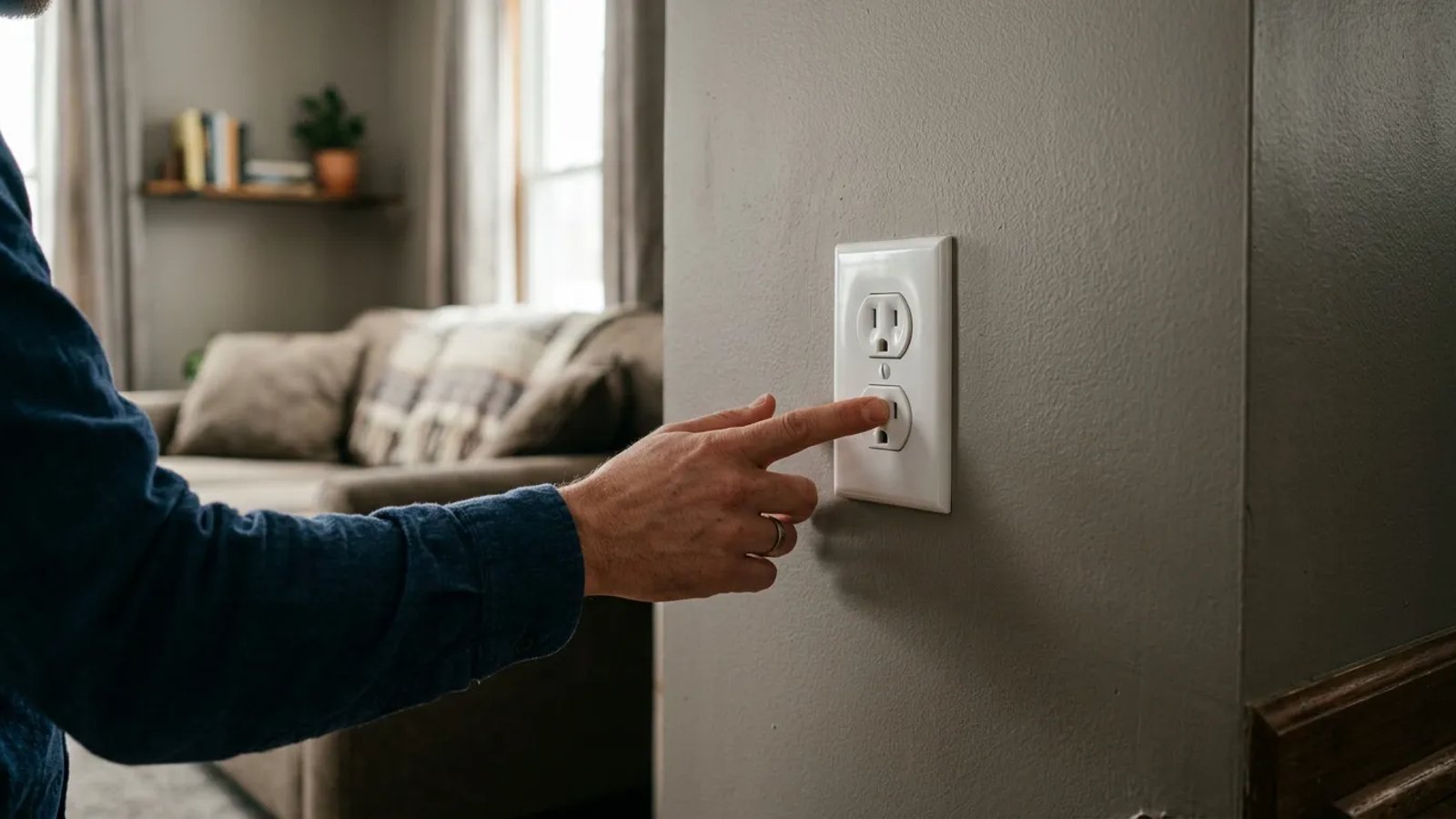
Discover why your electrical outlet feels warm, how to tell harmless heat from a serious fire hazard, and the exact steps to safely troubleshoot the problem.
Full guide Electrical Learn how your home electrical system works and what parts are safe for you to handle.Picture this: you go to unplug your vacuum, hair dryer, or phone charger, and you notice the plastic wall plate feels unusually warm. Panic immediately sets in. Is this a normal quirk of electricity, or is a fire about to start behind your drywall? Finding an outlet warm to the touch is a terrifying moment for any homeowner, but knowing exactly what to do next will keep your house safe.
Electricity is inherently powerful, and where there is electrical current, there is the potential for heat. Understanding the difference between the harmless warmth of a working transformer and the dangerous heat of a failing connection is critical. We will walk through the exact steps you need to take to triage the situation, identify the root cause, and determine whether you need a simple $8 fix or a professional electrician.
Immediate Triage: What to Do Right Now
If you have just discovered a hot outlet, do not ignore it. Heat is a byproduct of electrical resistance, and unchecked resistance can quickly escalate into an electrical fire. Take these steps immediately to neutralize the potential threat.
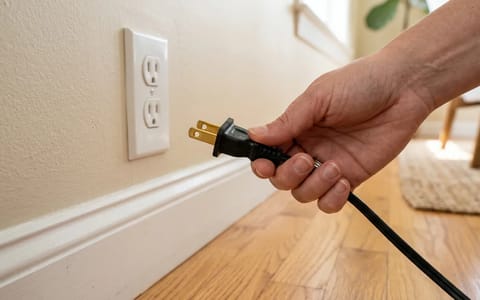
- Stop the current flow. Carefully unplug whatever device is currently connected to the outlet. If the plug itself is painfully hot to the touch, use a thick dry towel or oven mitt to pull it out safely.
- Monitor the temperature. Wait 15 to 30 minutes. Check the plastic wall plate again with the back of your hand. If the outlet cools down entirely, the issue was likely related to the appliance you had plugged in.
- Check the breaker. If the outlet remains warm even after sitting empty for half an hour, you have an active problem behind the wall. Go to your main electrical panel and flip the breaker for that circuit to the "OFF" position.
When an Outlet Warm to the Touch is Normal
Before you tear open your walls, it helps to know that not all heat is a sign of impending doom. There are a few specific scenarios where a warm wall plate is entirely normal and safe by design.
First, consider what is plugged in. Devices that use transformers (often called "wall warts" or AC adapters) naturally generate heat. Your laptop charger, smartphone block, and Wi-Fi router plug all work by stepping down the 120-volt AC power from your house into a lower DC voltage. This physical conversion process bleeds off excess energy as heat. A transformer block can safely reach temperatures of 100°F to 110°F, which will naturally transfer some warmth to the plastic wall plate.
Second, dimmer switches are notorious for feeling warm. Modern dimmers work by rapidly chopping up the alternating current to reduce the total energy flowing to the light bulb. This rapid switching creates heat, which is dissipated by an aluminum heat sink located just behind the plastic cover. Underwriters Laboratories (UL) allows dimmer switches to safely reach up to 140°F under normal operation. As long as the lights aren't flickering and there is no burning smell, a warm dimmer is standard.
Finally, heavy continuous loads will cause a slight temperature rise. If you have been running a 1500-watt space heater, a portable air conditioner, or an electric vehicle charger for several hours, the sheer volume of current flowing through the copper wires will create mild warmth. However, this warmth should be subtle, never hot enough to cause pain or soften the plastic.
The Danger Signs: When Heat Equals Hazard
If your situation does not fit into the harmless categories above, you are likely dealing with a genuine electrical hazard. When an outlet is warm to the touch without a heavy load or a transformer plugged in, it almost always points to unwanted electrical resistance.
Heat is the enemy of electrical systems; where there is unwanted heat, there is unwanted resistance.
One of the most common culprits is loose wiring. Many older homes feature outlets wired using the "back-stab" method. Instead of wrapping the copper wire securely under a side screw terminal, the installer simply pushed the wire into a small hole in the back of the receptacle, where it is held in place by a tiny, spring-loaded metal clip. Over years of plugging and unplugging devices, that tiny clip loses its tension. This creates a microscopic gap between the wire and the metal contact. Electricity then has to arc across that gap to keep flowing, which acts like a miniature welding torch inside your wall, generating massive amounts of heat.
Another frequent issue is worn-out internal contacts. Inside the slots of your outlet are metal blades that grip the prongs of your plug. If you plug something in and it sags or falls out easily, those internal blades have lost their grip. A loose grip means a poor connection, which again leads to arcing and overheating.
How to Safely Inspect the Receptacle
If you suspect a failing outlet, you need to look behind the wall plate, but you must do this safely. I once helped a neighbor who thought their coffee maker was broken because the plug was always scorching hot. We pulled the outlet out of the wall and found the plastic completely melted around the neutral wire. A simple $8 replacement outlet saved their kitchen from a devastating fire.
To inspect your outlet, you will need a non-contact voltage tester (which falls in the $20 to $35 typical 2026 range at any hardware store) and a screwdriver. Turn off the breaker at your main panel. Then, point the voltage tester directly into the slots of the outlet. If it beeps or lights up red, the power is still on. Do not proceed until the tester confirms the power is dead.
Once you are certain the power is off, remove the center screw holding the plastic faceplate and take it off. Shine a flashlight into the electrical box. You are looking for three specific red flags:
- Melted or warped plastic: Look closely at the body of the receptacle itself. If the plastic is bubbling, deformed, or brittle, it has been subjected to extreme heat.
- Scorch marks: Black or brown soot marks on the copper wires, the terminal screws, or the inside of the wall box indicate active electrical arcing.
- Damaged insulation: The colored plastic coating on the wires should run all the way up to the connection point. If the insulation is cracked, melted, or peeling back to expose bare copper, the wire is compromised.
The 2026 Code Rule for Replacement Receptacles
If you find that your outlet needs replacing, be aware of updated building codes. As of 2026, the National Electrical Code (NEC) strictly requires that any replaced receptacle in living areas, bedrooms, and kitchens must be upgraded to include Arc-Fault Circuit Interrupter (AFCI) protection if it does not already have it. This means you cannot simply swap in a standard outlet; you must either install an AFCI-rated receptacle or ensure the circuit breaker itself is an AFCI model. This modern safety standard specifically prevents the hidden wall arcing that causes outlets to overheat in the first place.
DIY Fixes vs. Calling a Licensed Electrician
If you find that the outlet is simply old and the plug grips are worn out, replacing it is a straightforward job. You can purchase a high-quality, commercial-grade 15-amp or 20-amp receptacle for under $8. When installing the new outlet, always use wire strippers to expose fresh copper, curl the wire into a hook, and tighten it down firmly under the side screw terminals. Avoid using the push-in back-stab holes to prevent future loose connections.
Taking immediate action when you find an outlet warm to the touch is one of the easiest ways to protect your home. By understanding the difference between a hard-working transformer and a failing wire connection, you can confidently troubleshoot the issue, make simple repairs, and know exactly when it is time to hand the job over to a professional.