
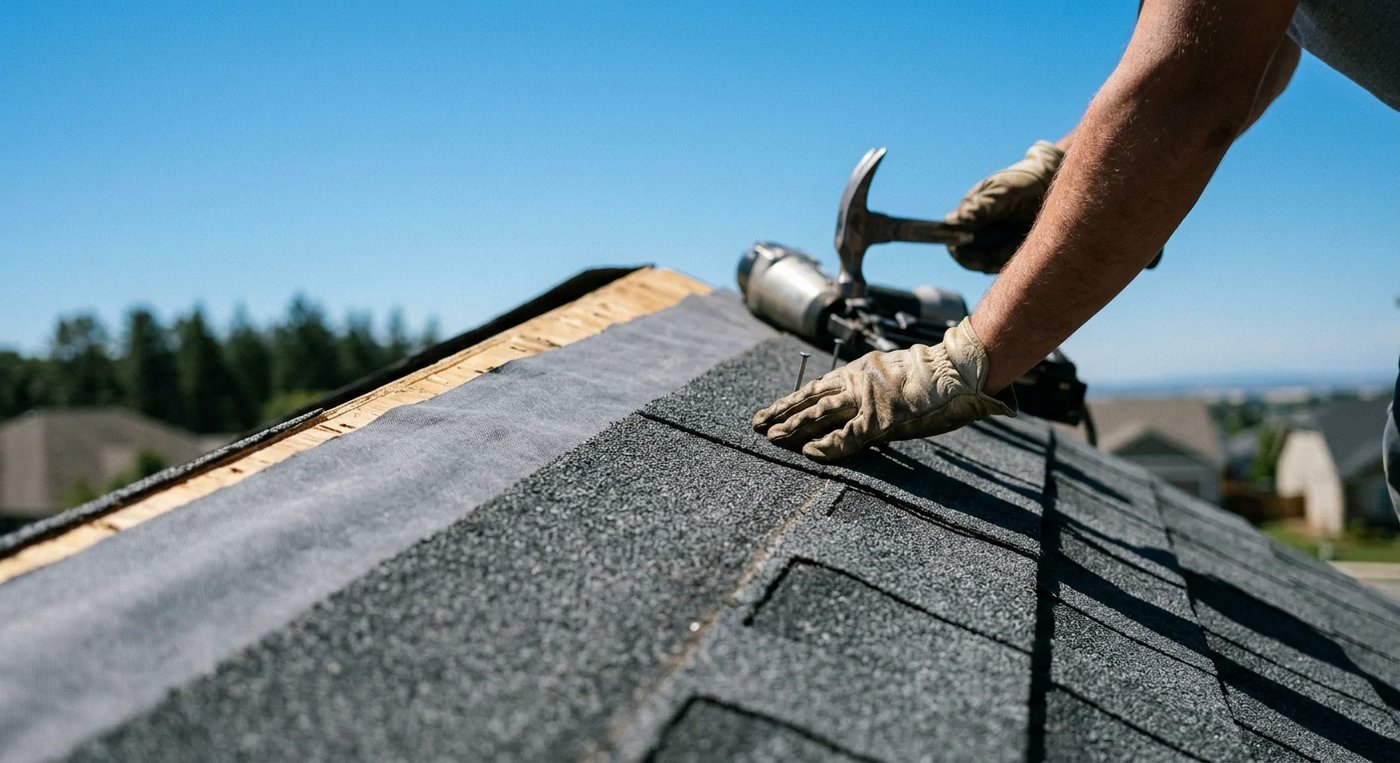
Whether it's rain pounding your roof or municipal pipes running beneath the driveway, water is the ultimate test of a home's defenses. This summer, it's forcing a lot of us to rethink how we manage our properties.
The new rules of home improvement
For decades, the standard American home project was all about aesthetics. You painted the shutters and coaxed the front lawn into a perfect green carpet. Today, the most valuable upgrades you can make are strictly defensive.
We're seeing this play out nationwide. Homeowners are trading delicate landscaping for resilient yards. They're prioritizing infrastructure over cosmetics. Local weather and aging city grids are changing the reality of homeownership, and our renovation budgets are following suit.
What's happening in your state
In Colorado, the challenge is scarcity. With municipal water storage hovering near half capacity, the city of Aurora is under Stage 2 drought restrictions and finally practicing what it preaches. Crews are tearing up the thirsty Kentucky bluegrass at the Aurora Municipal Center to plant drought-tolerant Bermudagrass.
According to CBS News, the new turf actually belongs in this climate. The city is keeping the lawn closed through September to let the roots establish. If you're watching your own utility bills climb, take note. The era of the lush, water-guzzling western lawn is over. Ripping out traditional grass is fast becoming a basic necessity.
Meanwhile, in Maryland, residents are dealing with the exact opposite problem. They have water where it absolutely shouldn't be. In Dundalk, one neighborhood block has endured four separate water main breaks since May. It's a messy, exhausting ordeal spilling directly into people's homes.
Public works officials told the local CBS affiliate that this cluster of pipe failures is an anomaly. They blame shifting soil temperatures and stress on aging infrastructure at the end of the line. But if you're watching a river flow past your front windows, the exact cause doesn't matter. When street pipes fail, the water often finds its way into basements. At least one resident already had to replace a ruined water heater. Your home's safety is deeply tied to the health of the public grid.
The bottom line for you
- You can't control the municipal pipes, but you can protect your basement. If you live in an older neighborhood, check your plumbing. Make sure appliances like your water heater are elevated or protected by a working sump pump.
- If you're tired of watering a struggling lawn, consider planting native or drought-resistant grass. Our landscaping and outdoor guide can help you plan a yard that actually survives your climate.
- Keep a close eye on your property as the seasons change. Running through a Colorado seasonal checklist or your own local equivalent is the easiest way to catch small vulnerabilities before they turn into massive, expensive leaks.