What Is a Casement Window?
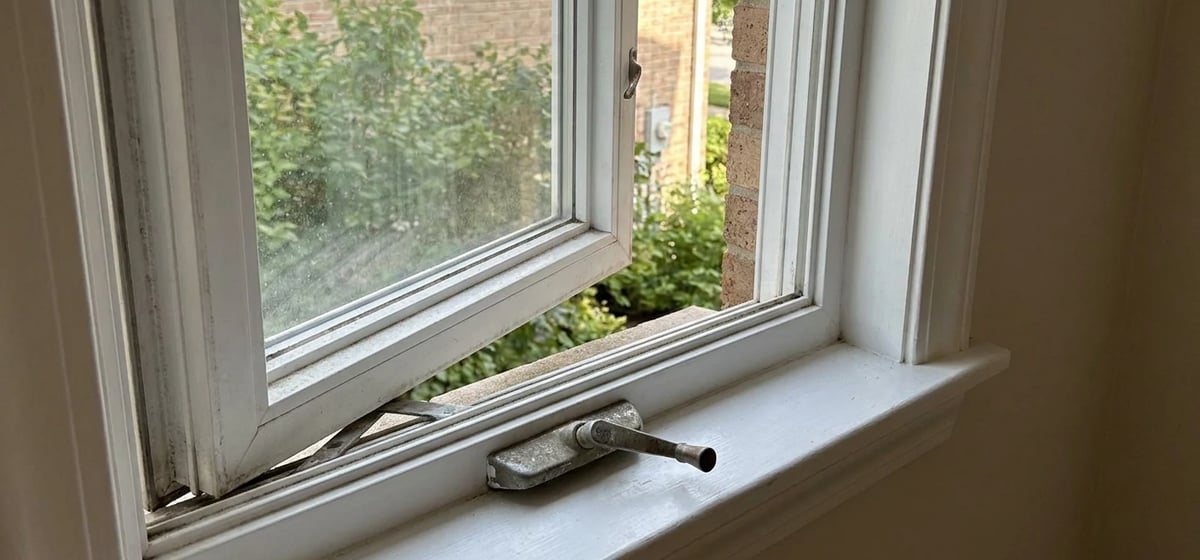
A casement window opens outward on side hinges just like a door. Instead of sliding up and down like a standard double-hung window, you operate it by turning a small hand crank at the bottom of the window frame. When you turn the handle, a metal arm pushes the glass pane outward.
The name has a long history. The term stems from the Old French word encassement, which means a frame or a casing. English carpenters adopted this word back in the 16th century. They used it to describe glass panels set into hinged iron or wooden frames. Today, you'll find them made from vinyl, wood, or fiberglass.
Why They Matter to Your Home
Casement windows are excellent for catching a breeze. Because the entire window swings open outward, it acts like a sail to grab passing air and direct it inside. This makes them a great choice for cooling your home naturally.
They are also some of the most energy-efficient windows you can buy. When the wind blows against a closed casement window, it pushes the window tighter against its weatherstripping. This creates a very tight seal. If you want to lower your heating and cooling bills, these windows do a great job blocking drafts. You can read more about sealing your home in our guide to Windows & Doors.
Where You Will Find Them
Builders love to put casement windows in hard-to-reach places. The most common spot is right above your kitchen sink. You don't have to lean forward and lift a heavy sash to get fresh air. You just turn the crank easily with one hand.
You also see them in bathrooms or sitting rooms where you want a clear, unobstructed view of the outside. Since they don't have a horizontal bar in the middle of the glass, they offer a perfect picture-window look while still letting you open them.
However, they aren't ideal everywhere. Because they swing outward, you shouldn't install them next to a deck, a porch, or a busy walkway. An open window can easily hit someone walking by.
Security and Window Screens
Casement windows offer great security for your home. Because the lock is built into the frame and the window seals tightly, they are very difficult for someone to pry open from the outside. The only way to open them is by turning the crank on the inside.
They also handle window screens differently than sliding windows. Since the glass pushes outward, the screen must sit on the inside of the room. This keeps your screens cleaner because they aren't exposed to rain and outdoor dirt. However, it does mean you have to look through the screen from the inside, and you must remove the screen to clean the inside of the glass.
Costs and What to Watch For
If you plan to install new ones, expect to pay between 400 and 1,000 dollars per window, including labor. Prices and ranges vary based on the size of the window and the frame material. For a deeper look at budgeting, check out our Window Replacement Cost guide.
The biggest issue with casement windows is the hardware. The crank mechanism works hard every time you open or close the glass. Over time, the gears inside the crank can strip out. Dirt and grime can also build up in the metal tracks. Home inspectors always check these windows closely before you buy a house. They want to make sure the crank turns smoothly and the window locks tight.
To keep your windows working well, you should perform a few simple tasks twice a year:
- Vacuum the metal tracks to remove dead bugs, dirt, and dust.
- Wipe the hinges and tracks clean with a damp rag.
- Spray the moving metal parts with a dry silicone lubricant so the crank turns easily.
This simple habit will save you from buying expensive replacement hardware down the road.