What is weatherstripping?
Weatherstripping is the material that seals the gaps around the moving parts of your windows and doors. When you close a door or shut a window, this material crushes down to form a tight seal. It blocks cold winter drafts and keeps hot summer air outside where it belongs. It also acts as a physical barrier against bugs, dust, and blowing rain.
You will find it made from many different materials. The most common types are foam, rubber, vinyl, silicone, and metal. The exact type you need depends on the size of the gap and how much friction the area gets. You can learn more about how these parts fit together in our guide to Windows & Doors.
Why it matters for your home
A house with bad seals leaks a lot of air. If you add up all the small gaps around your exterior doors and windows, it is like leaving a small window wide open all year long. This forces your heating and cooling system to work much harder to keep the house at the right temperature. Fixing these leaks is one of the cheapest ways to lower your energy bills and extend the life of your furnace and air conditioner.
Good seals also make your home much more comfortable. You will not feel a cold breeze while sitting on the couch near a window. It also helps control indoor humidity and keeps outdoor noise from coming inside. If you want to get the most out of your HVAC & Climate Control setup, you must stop the air leaks first.
Common types you will use
There are a few main styles you will see at the hardware store. Each one solves a different problem.
- Adhesive foam tape: This is the cheapest and easiest to install. You just peel off the backing and stick it on. It is great for windows but wears out quickly on doors you use every day.
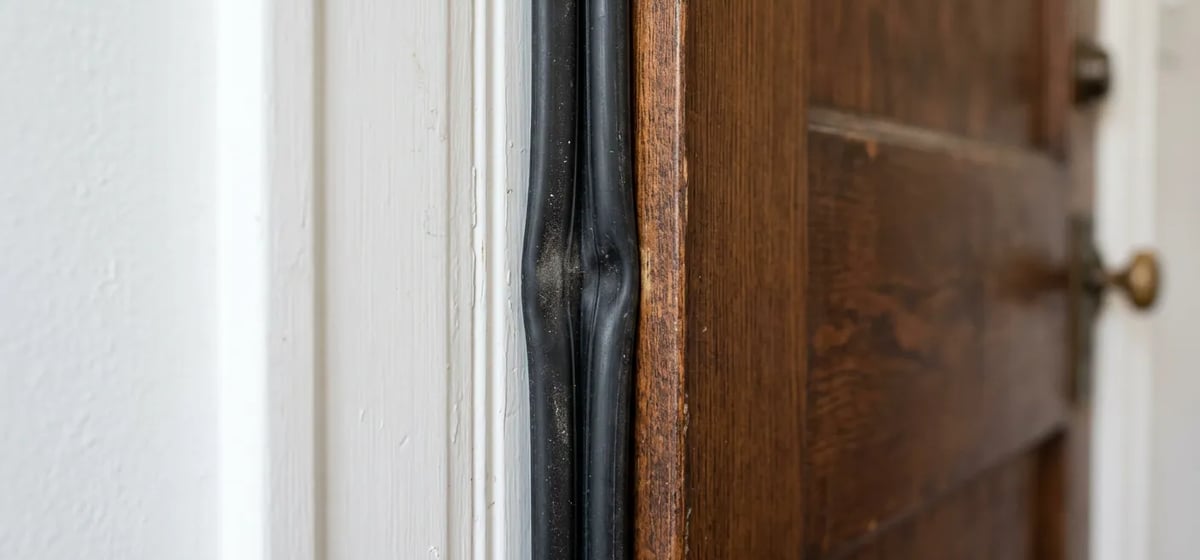
- Tubular rubber or vinyl: These look like a long squishy tube attached to a flat strip. They are very durable and work perfectly for the sides and top of a front door.
- Tension seal: This is a piece of plastic or metal folded into a V shape. It springs open to fill the gap. It works very well in the side tracks of sliding windows.
- Door sweeps: These attach to the very bottom edge of a door. They drag across the threshold to seal the gap near the floor.
What it costs to replace
Replacing these seals is a very affordable project. If you do it yourself, you only pay for the materials. A roll of foam tape costs about 5 to 10 dollars at the hardware store and takes five minutes to apply. A high quality rubber seal kit for a front door costs 20 to 40 dollars and usually requires a few basic tools like scissors or a utility knife. A basic metal door sweep runs about 15 to 25 dollars and requires a drill to install.
If you hire a handyman to replace the seals on a few doors and windows, expect to pay 150 to 300 dollars for labor and materials. Keep in mind that these ranges vary based on where you live and the size of your home. The energy savings usually pay for the cost of the materials in just a few months.
When to replace your seals
Weatherstripping does not last forever. Constant opening and closing wears down the materials. Foam tape might only last one to three years before it tears. Rubber and metal can last five to ten years, but sunlight and freezing weather will eventually dry them out. You should check your doors and windows once a year before winter starts.
Look for foam that is flattened out and no longer springs back. Check for rubber that is cracked, brittle, or peeling away from the frame. If you can feel a draft with your hand, the seal is broken. Replacing bad seals is a perfect project for Your First Week as a Homeowner because it makes an instant difference in your comfort.