What Is a Diverter Valve?
A diverter valve does exactly what its name implies. It diverts water from one place to another. The word diverter comes from the Latin word divertere, which means to turn away or go in different directions. Manufacturers started making these valves for indoor showers in the early 1900s. Today, you use one almost every time you take a shower. When you pull up on the small knob on your bathtub spout, you are using a diverter valve. It stops the water from flowing down into the tub and forces it up into the showerhead. These valves sit out of sight right behind your shower wall or inside the faucet itself. They are a core part of your Plumbing system. Without them, you would need completely separate pipes and handles for every single water outlet in your bathroom.
Types of Diverter Valves
You will find a few different types of diverter valves around your house. They all do the same basic job.
- Tee diverters: This is the classic pull up knob on the bathtub spout. It is the most common type in older homes.
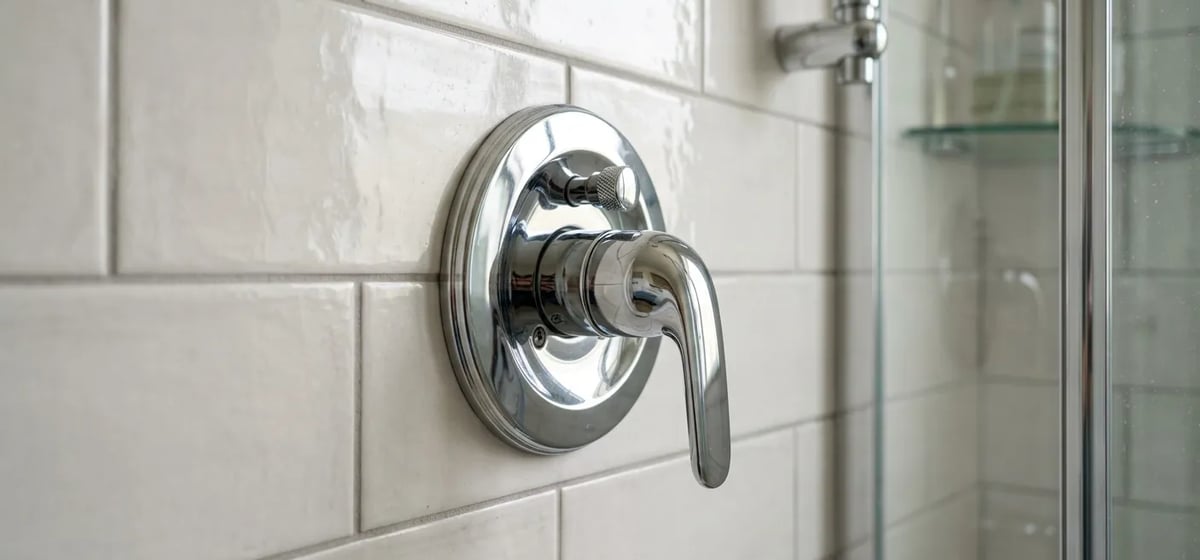
- Two valve diverters: You see these in showers that have two handles. One handle controls the hot and cold water mix. The other handle turns to send the water to the showerhead or the tub.
- Three valve diverters: These have a handle for hot water, a handle for cold water, and a third handle in the middle to direct the water flow.
- Kitchen sink diverters: If your kitchen sink has a side sprayer, a small diverter valve hidden inside the main faucet shifts the water over to the sprayer when you press the trigger.
Signs Your Valve Is Failing
Diverter valves wear out over time. The internal washers and springs get covered in hard water minerals. They also just break down from daily use. You will usually notice the problem right away. The most common sign is water coming out of the bathtub spout and the showerhead at the same time. You might pull the knob up, but half the water still dumps into the tub. This wastes a lot of hot water and gives you poor water pressure in the shower.
Another clear sign is a knob that feels stuck. If you have to yank hard to pull the tub spout knob up, the valve is failing. You might also hear a loud clunking noise behind the wall when you switch the water flow.
Repair and Replacement Costs
Replacing a diverter valve is a common home repair. The cost depends on where the valve is located and what kind of setup you have. If you just need to replace a pull up tub spout, the parts are very cheap. You can buy a new spout with a built in diverter for 20 to 50 dollars at a hardware store. Many homeowners handle this simple swap themselves.
If the valve is buried behind the shower wall, the job gets harder. A plumber will need to cut into the wall or take apart the shower handles to reach it. A plumber will usually charge 150 to 400 dollars to replace a valve behind the wall. Prices and ranges vary based on your local labor rates and the brand of your plumbing fixtures. If you are not comfortable turning off your main water supply and removing shower handles, you should check out our guide on DIY vs. Hiring a Pro to decide if you want to tackle it. You can also read more about Hiring Contractors & What Things Cost to prepare for the bill.