What is trisodium phosphate?
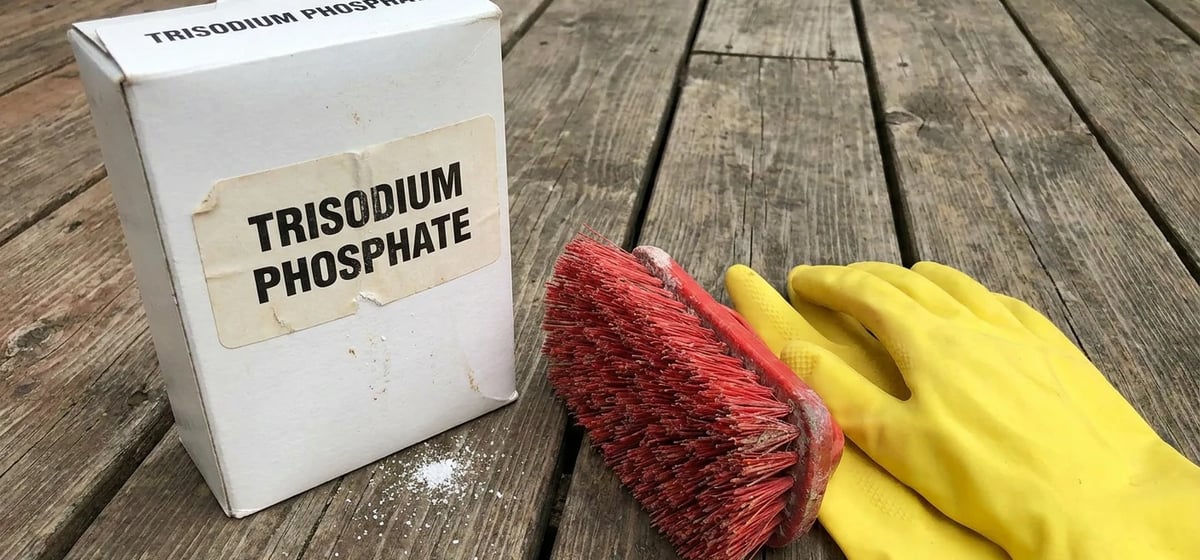
Trisodium phosphate is a strong chemical cleaning powder. People usually just call it TSP. You buy it in a cardboard box or plastic tub at the hardware store and mix it with warm water. It isn't like the gentle soap you use to wash dishes or clothes. It's a heavy duty cleaner that strips away stubborn dirt, thick grease, soot, and old smoke stains. Chemical companies introduced it in the 1930s before modern liquid detergents existed. The name simply describes its chemical makeup of three sodium atoms bonded to a phosphate group. Today, you mostly use it when you need a perfectly clean surface before you start a big home improvement project. It leaves no soapy residue behind, which makes it perfect for prep work.
When to use it around your house
You'll run into this cleaner most often when you tackle painting or exterior cleaning jobs. If you paint over a dirty or greasy wall, the new paint will bubble and peel right off. Washing the wall with this mixed powder removes all the invisible oils and grime. It also slightly dulls shiny old paint so your fresh coat sticks much better. This step is very important when you update your Interior: Paint, Drywall & Trim.
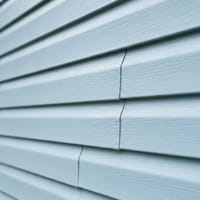
You might also use it outside your house. It does a great job cleaning mold, mildew, and dirt off wood fences, brick masonry, and vinyl siding. If you're washing your Exterior: Siding, Garage & Decks, a weak mix of this powder and water can make old surfaces look brand new. You just apply it with a large sponge or a stiff brush, let it sit for a few minutes, and then rinse it away with a hose.
How much does it cost?
You don't need to spend a lot of money to get professional cleaning results. This powder is very cheap compared to specialty liquid cleaners. A standard one pound box usually costs 5 to 10 dollars. A larger four pound box or bucket costs 15 to 25 dollars. Prices and ranges vary depending on your local hardware store and the brand you buy. One small box goes a very long way. You only need to mix a half cup of the powder into two gallons of warm water for most basic cleaning jobs. A single box will easily clean all the walls in a large living room or kitchen.
How to stay safe when you use it
This cleaner is incredibly powerful and highly alkaline. It will burn your bare skin and severely irritate your eyes if you aren't careful. You must take basic safety steps before you even open the box.
- Wear thick rubber gloves to protect your hands and wrists.
- Put on safety goggles so accidental splashes don't get in your eyes.
- Wear long pants and a long sleeve shirt to protect your skin.
- Open your windows and doors to keep fresh air moving through the room while you clean indoors.
The rise of substitute cleaners
You might notice boxes labeled as a substitute cleaner sitting right next to the real thing at the store. Real trisodium phosphate contains a lot of phosphorus. When this chemical washes down your driveway and flows into storm drains, it eventually reaches local lakes and rivers. The extra phosphorus causes massive algae blooms that ruin the water and kill fish. Because of this environmental impact, many states and counties strictly ban the real chemical for outdoor use. If you live in one of these areas, stores will only sell the substitute version. The substitute is much safer for the environment, doesn't require as much rinsing, and works almost as well for basic painting prep jobs.