What is a Catch Basin?
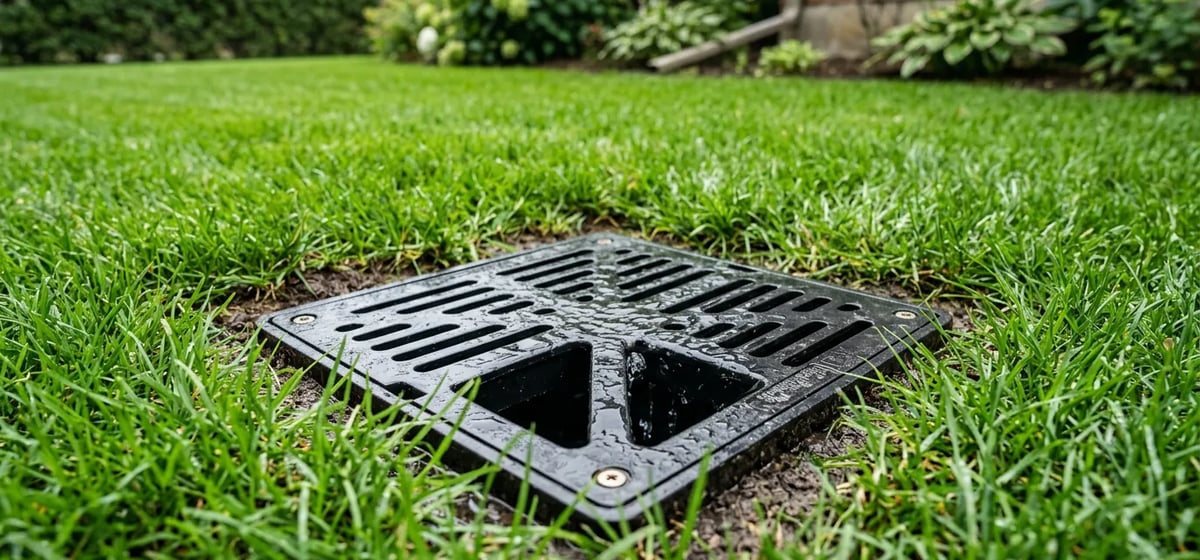
A catch basin is a simple but clever drain buried in your yard. It looks like a square or round box with a grate on top. You will usually see the grate sitting flush with your grass or driveway. When heavy rain falls, water flows into the grate. The box catches the water and sends it down an underground pipe. But it does more than just move water. The bottom of the box sits a few inches lower than the outgoing pipe. This creates a trap. Dirt, leaves, and rocks fall through the grate and sink to the bottom of the trap. The clean water rises up and flows out the pipe. This keeps your underground drain pipes from getting clogged with yard waste.
Most modern catch basins are tough plastic. Older homes might have concrete or brick basins. The grates on top can be plastic, cast iron, or steel. Cast iron grates are heavy and can handle the weight of a car in your driveway. Plastic grates are fine for lawns where only foot traffic happens.
Why It Matters for Your Home
Water is the biggest enemy of your house. If rainwater pools in your yard, it can kill your grass and breed mosquitoes. Worse, if water flows toward your house, it can leak into your basement or damage your foundation. A catch basin stops this from happening. It acts as the main entry point for your yard drainage system. It gathers up all that surface water and safely moves it away from your Foundation & Structure. Without a basin to trap the dirt and leaves, your underground pipes would fill up with mud and stop working.
In cold climates, standing water is a big problem. If water pools and freezes, it creates a dangerous sheet of ice. A basin keeps that water moving. This protects your family from winter slips and stops water from freezing against your concrete paths.
Where You Find Them
You will run into catch basins in low spots around your property. Builders place them where water naturally wants to pool. You might see one at the bottom of a sloped driveway. You might find one in a swale, which is a shallow ditch between two houses. Many homes also have small catch basins placed directly under their gutter downspouts. These catch the roof water before it can wash away your mulch or flood your flower beds. If you are improving your Landscaping, Drainage & Outdoor spaces, a contractor might suggest adding a basin to fix a muddy lawn.
Maintenance and Costs
Catch basins only work if they are clean. You need to pull the grate off and scoop out the muck at least twice a year. Fall is the most important time to do this because falling leaves fill up the trap quickly. If the trap gets completely full, the dirt will flow right into your drain pipe and cause a massive clog.
To keep your yard draining well, follow a simple checklist:
- Clear the grate of leaves and twigs before a big storm hits.
- Remove the grate and scoop out the bottom trap every spring and fall.
- Flush the underground pipe with a garden hose to make sure water flows freely.
If you need to install a new catch basin, expect to pay a landscaper 400 to 800 dollars per basin. This price includes digging the hole, placing the box, and connecting a short run of pipe. If you need a long trench and hundreds of feet of pipe, the total project can easily cost 1,500 to 3,000 dollars. Prices vary based on your location and soil type. If you are handy, you can buy a plastic basin at the hardware store for 30 to 60 dollars and dig the hole yourself. You can learn more about deciding to do it yourself or hiring someone in our DIY vs. Hiring a Pro guide.