What a dryer vent actually is
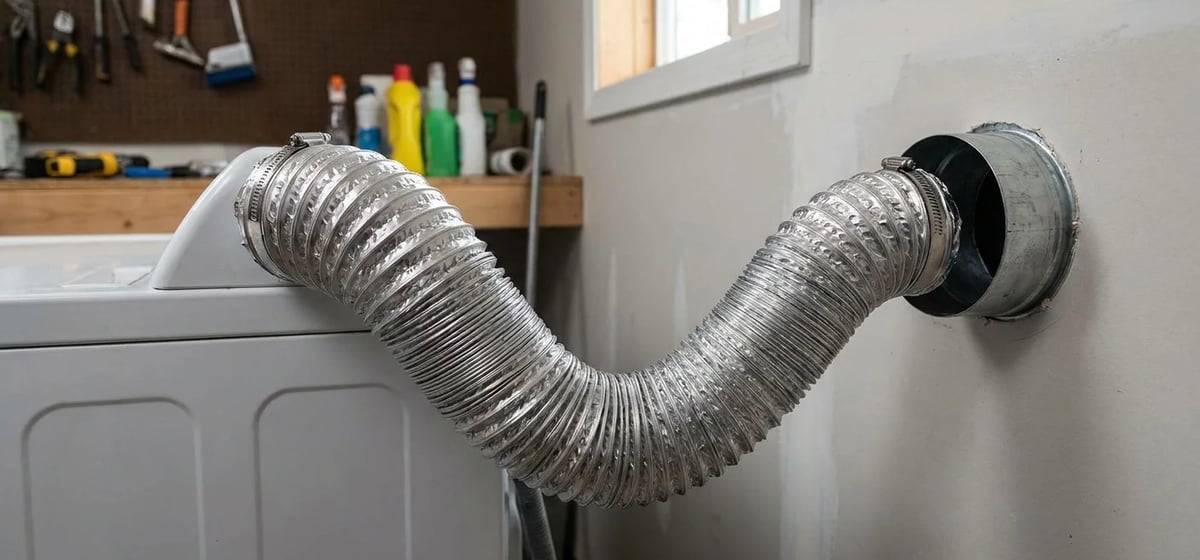
A dryer vent is the exhaust pipe that runs from the back of your clothes dryer to the outside of your home. When you dry a load of laundry, the machine heats the wet clothes to evaporate the water. The vent gives all that hot, moist air a place to go. If the air stayed inside your house, your laundry room would turn into a swamp. You would also end up with mold on your walls.
Most modern vents are made of rigid metal ducting. This smooth surface helps the air flow fast and keeps lint from getting stuck on the walls. The vent pipe runs through your wall, floor, or ceiling until it reaches an exterior wall or the roof. At the end of the pipe, you will find a small exhaust hood with a flapper door. This door opens when the dryer runs and closes when it stops. The closed door keeps bugs and cold air out of your house.
Why you need to keep it clean
Lint is the biggest enemy of your dryer vent. Your dryer catches most of the fuzz in the lint trap, but a small amount escapes into the vent pipe with every load. Over time, this lint builds up inside the walls of the tube. This buildup causes two major problems for you.
First, a clogged vent is a massive fire hazard. Lint catches fire very easily. If the vent gets totally blocked, the hot air backs up into the dryer. The machine gets dangerously hot, and a spark can ignite the trapped lint. Second, a dirty vent makes your dryer work much harder. If the moist air cannot escape, your clothes stay wet. You will end up running the same load two or three times. Taking care of this pipe is a critical part of maintaining your appliances safely.
What to watch out for
Your vent will give you a few warning signs when it needs attention. You should check on it at least once a year. Look for these common red flags:
- Your clothes take longer than one standard cycle to dry completely.
- The top of your dryer feels extremely hot to the touch while it runs.
- You see lint collecting around the outside exhaust hood.
- The flapper door on the outside hood does not open when the dryer is running.
- Your laundry room feels unusually humid while the dryer is on.
If you notice any of these signs, you need to clean the vent right away. You can buy a special brush kit at the hardware store to sweep the pipe yourself. You just attach the brush to a power drill and push it through the duct.
Costs to clean or replace
If you do not want to clean the vent yourself, you can hire a professional. A routine dryer vent cleaning usually costs 100 to 200. This is a very smart investment in your home safety. If your vent is damaged or made of the wrong material, you will need to replace it. Having a professional install a new rigid metal vent typically costs 150 to 300. Keep in mind that these ranges vary based on your local labor rates and how hard it is to reach your vent.
Sometimes the vent route is too long or has too many sharp turns. A long, twisting pipe traps lint much faster than a short, straight one. If your vent runs all the way through your attic to the roof, a contractor might suggest rerouting it to a closer side wall. This kind of custom rerouting job can cost 300 to 800. You can look at our guide on what home repairs cost to help you budget for these kinds of maintenance tasks.