What It Is
Replacement cost is a specific type of coverage found in your home insurance policy. If a disaster destroys your house, this coverage pays to rebuild it using brand new materials of a similar quality. The most important part is that the insurance company doesn't subtract money for age or wear and tear. This deduction is called depreciation.
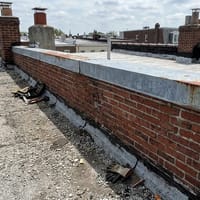
For example, say a storm ruins your 15 year old roof. A replacement cost policy pays for a brand new roof at today's prices. The opposite of this is an actual cash value policy. An actual cash value policy looks at the age of your roof and only pays what that old roof was worth right before the storm. With actual cash value, you'd have to pay a huge chunk of your own money to get a new roof installed.
| Coverage Type | How It Pays | Out of Pocket Risk |
|---|---|---|
| Replacement Cost | Pays for brand new materials at today's prices. | Low. You just pay your deductible. |
| Actual Cash Value | Pays the used value of the damaged items. | High. You pay the deductible plus the depreciation gap. |
Why It Matters To You
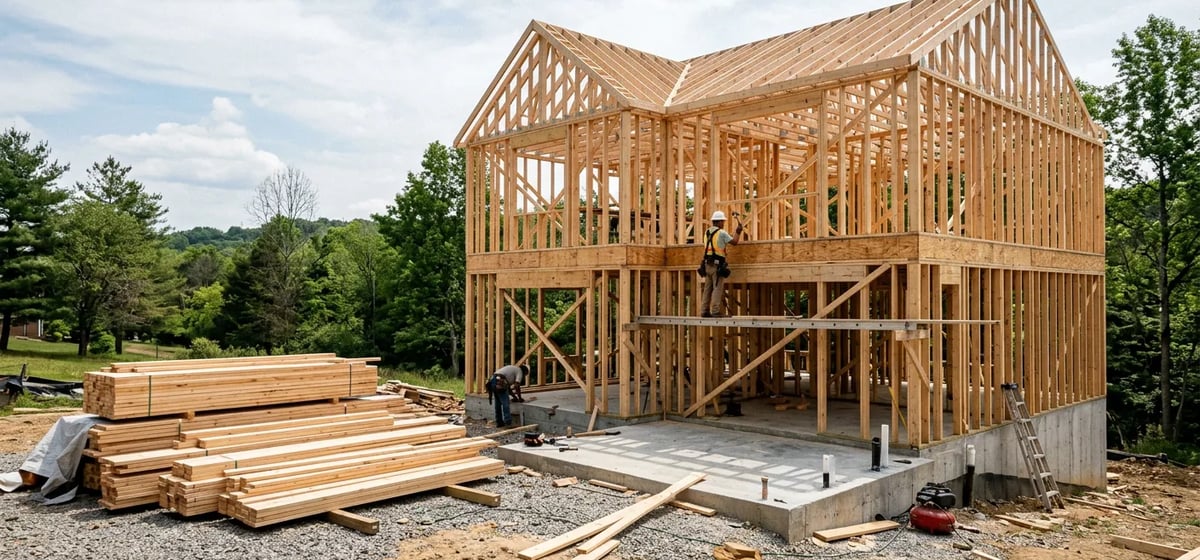
This coverage matters because it protects your life savings. Rebuilding a house is incredibly expensive. Construction costs always go up over time. If your house burns down, you need enough money to hire contractors and buy lumber, copper wire, and drywall at current market prices.
The cost to rebuild a home usually runs 150 to 400 dollars per square foot, though ranges vary based on your location and finishes. If you have a 2,000 square foot home, rebuilding could cost 300,000 to 800,000 dollars. Without replacement cost coverage, your insurance payout might fall hundreds of thousands of dollars short. You'd have to take out loans or drain your retirement accounts just to get your house back.
Where You Run Into It
You'll see this term when you buy a new house and set up your insurance. Your insurance agent will ask if you want replacement cost or actual cash value coverage for your dwelling and your personal property. You'll also see it every year when your policy renews.
Your insurance company will calculate an estimated replacement cost for your home. This number is often different from the market value of your house. The market value includes the land. The replacement cost only covers the price of the labor and materials to rebuild the structure itself. It's a good idea to review your property taxes and home finances annually to make sure your coverage limit keeps up with local construction prices.
What To Watch For
You need to read the fine print on your policy carefully. Many policies offer replacement cost for the main house structure but only offer actual cash value for your personal belongings. You usually have to pay a little extra to get replacement cost coverage for your furniture, clothes, and electronics. Expect your annual premium to increase by 10 to 20 percent if you upgrade from actual cash value to full replacement cost.
You should also watch out for building code upgrades. If your house is older, the city might require you to add new safety features when you rebuild. Standard replacement cost policies don't always pay for these mandatory upgrades. You might need a special endorsement called ordinance or law coverage to pay for the extra costs. Finally, check your roofing coverage. Some companies automatically switch older roofs to actual cash value, even if the rest of the house has replacement cost coverage.