What Is a Humidistat?
A humidistat is a control device that measures and adjusts the moisture in your home air. You set a target humidity level just like you set a temperature on a thermostat. The device turns your humidifier or dehumidifier on and off to reach that exact level. The word combines the Latin root humidus meaning moist with the Greek suffix stat meaning to regulate or keep steady. It entered the heating and cooling trade in the early 20th century. Today, it is a key part of your HVAC & Climate Control system.
Inside the device, a tiny sensing element reacts to the moisture in the air. In older models, this element was often a bundle of human hair or a special nylon ribbon. These materials stretch when the air is wet and shrink when the air is dry. This tiny movement flips an electrical switch. When the air gets too dry, the switch tells your system to add moisture. When the air reaches your target number, the switch turns the equipment off. Newer digital models use solid state sensors to do the exact same job, just with more precision.
Why It Matters for Your Home
Proper humidity keeps your home comfortable and protects your property. If the air is too dry, you might get itchy skin, dry eyes, and annoying static shocks. Dry air also pulls moisture right out of your hardwood floors and wooden furniture. This causes the wood to shrink and crack over time. You might even notice gaps appearing in your Interior: Paint, Drywall & Trim.
If the air is too wet, you face bigger and more expensive problems. High humidity breeds mold, mildew, and dust mites. This can trigger serious allergies and create nasty smells in your basement. Most experts suggest keeping your indoor humidity between 30 and 50 percent. A good humidistat does this daily balancing act for you automatically.
Where You Find Them
You will spot humidistats in a few different places around a house depending on the equipment you own.
- On the wall: Many newer homes have a smart thermostat that includes a built-in humidistat. Older homes might have a separate dial mounted on the wall right next to the thermostat.
- On the furnace duct: Whole-house humidifiers usually have a manual humidistat mounted directly on the metal return air duct. You will usually find this in your basement, attic, or utility closet.
- On portable units: Small room dehumidifiers and freestanding humidifiers often have a simple digital or dial humidistat built right into the top control panel.
Costs and What to Watch For
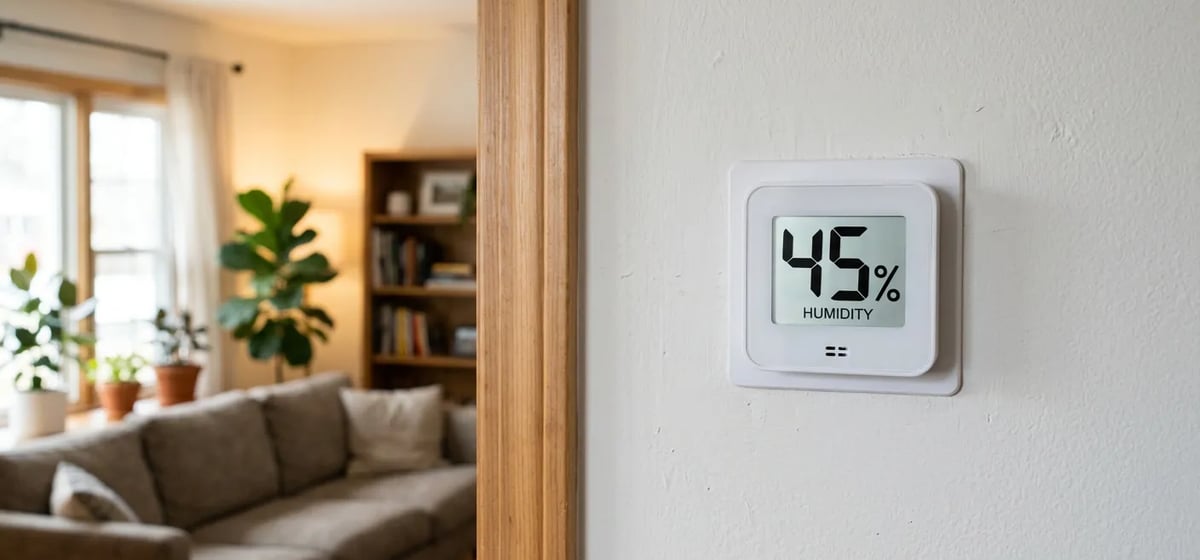
Humidistats are tough little devices, but they do not last forever. Dust and age can make the sensor less accurate. You should check your humidistat at the start of every heating and cooling season. You can buy a cheap digital hygrometer from the hardware store for about 10 to 15 dollars. A hygrometer just measures humidity but does not control anything. Place it near your humidistat to see if the readings match. If they are more than 10 percent apart, your humidistat is failing.
Replacing a basic wall or duct humidistat costs between 50 and 150 dollars for the part alone. If you hire a professional heating contractor to wire it into your system, expect to pay between 150 and 300 dollars for the total job. Keep in mind that these ranges vary based on your location and the exact model you need. Upgrading to a smart thermostat that handles both temperature and humidity costs between 200 and 400 dollars. This upgrade gives you the ability to check your home moisture levels from your phone.