What is NM Cable?
NM cable is the standard electrical wire used inside the walls of most modern US homes. The letters NM stand for non metallic. This style became popular in the 1920s as a cheaper and easier alternative to running wires through heavy metal pipes. In 1922, the Rome Wire Company invented a famous version of this cable. You'll often hear electricians call all NM cable by that brand name, Romex.
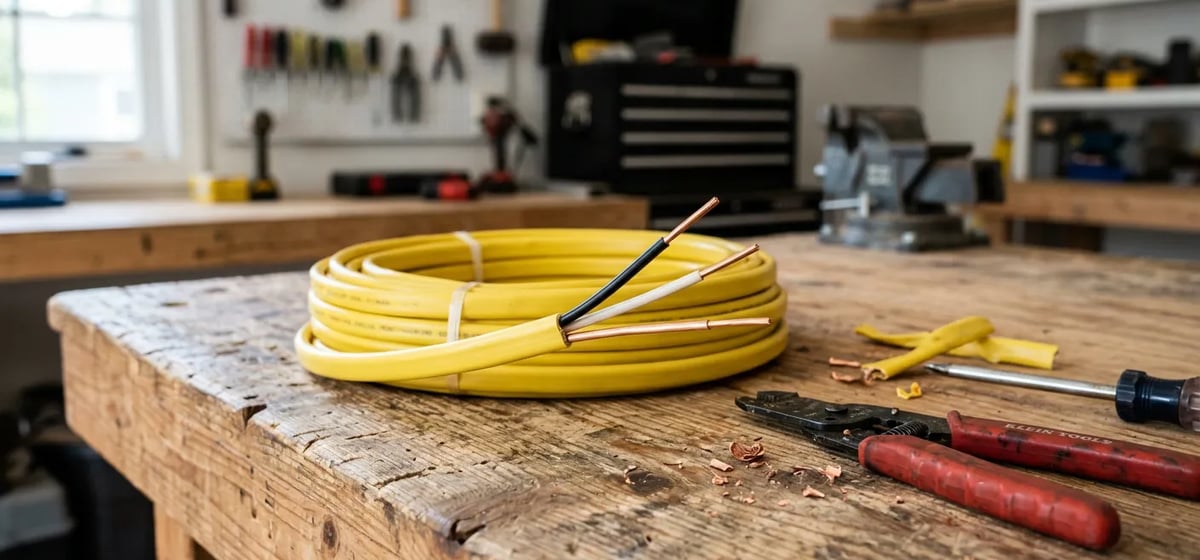
This cable bundles several wires together inside a flexible plastic jacket. Usually, there's a black wire for hot power, a white wire for neutral, and a bare copper wire for the ground. The plastic jacket keeps your home safe by protecting the wires from touching each other or the wood frame of your house.
Why It Matters to You
Your entire home runs on these hidden cables. Every time you flip a light switch or plug in a phone charger, you're using an NM cable. Understanding how it works helps you make smart choices when you update your Electrical system.
Electricians use different sizes of NM cable for different jobs. The thickness of the wire inside is called the gauge. A lower number means a thicker wire that can handle more power. For example, a 14 gauge wire is used for standard 15 amp light circuits. A thicker 12 gauge wire is used for 20 amp outlet circuits in kitchens and bathrooms. Very thick cables handle heavy appliances like electric dryers and ovens.
Where You Find It
You'll find NM cable hidden inside your walls, ceilings, and floors. It's designed only for dry, indoor spaces. You shouldn't use standard NM cable outdoors, underground, or in very wet areas. If you need wire outside, you must use a different type called UF cable.
Modern NM cable uses a helpful color code on the outside plastic jacket. This makes it easy for you and your electrician to know what power level is inside the wall.
| Jacket Color | Wire Gauge | Common Use |
|---|---|---|
| White | 14 Gauge | Basic lighting and bedroom outlets |
| Yellow | 12 Gauge | Kitchen, bathroom, and dining room outlets |
| Orange | 10 Gauge | Water heaters and large window air conditioners |
| Black | 8 or 6 Gauge | Electric stoves and large central air units |
What to Watch For
NM cable is very safe when installed correctly. However, problems can happen if the cable gets damaged. Because the jacket is made of plastic, it can be harmed by a few common hazards:
- Mice and squirrels chewing on the wires inside your walls.
- Long nails or screws driven blindly into studs to hang heavy pictures.
- Metal staples driven too tightly over the cable during a careless installation.
If you hear scratching in your walls, you should fix the pest issue before they damage your wires. You also need to be careful when hanging heavy shelves. Driving a long nail deep into a wall can pierce a hidden cable and cause a spark.
Building codes require NM cable to be protected from physical damage. You shouldn't see bare Romex running along the outside baseboards of your living room. If a cable runs through an unfinished basement or garage, it needs to be tucked up high or run through holes drilled in the wood framing.
If you want to add a new outlet or ceiling fan, you'll need to run new NM cable. Hiring a professional to run new wire usually costs 10 to 30 dollars per foot, though ranges vary depending on where you live and how hard it is to reach the area. Opening up finished walls will always cost more than running wire through an open attic. If you're thinking about doing electrical work yourself, read our guide on DIY vs. Hiring a Pro to understand the risks.