What Eaves Are
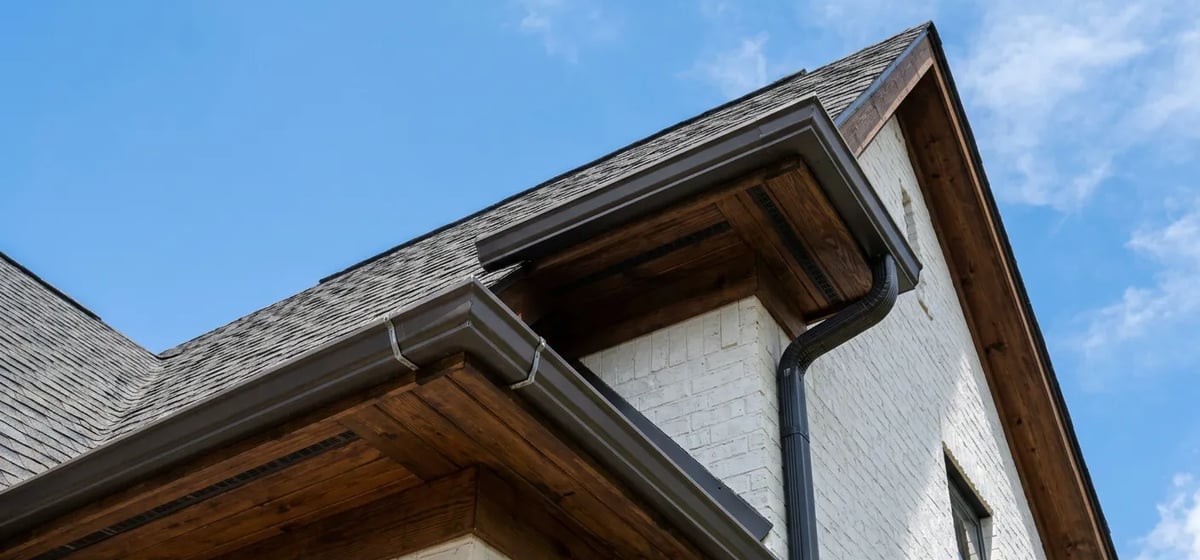
Eaves are the lower edges of your roof that stick out past the exterior walls of your house. The word comes from an Old English term that simply means the edge of a roof where water drops off. You will usually see them on sloped roofs. They form a protective overhang around the whole perimeter of your home. Some houses have very wide eaves that cover a porch. Other houses have very short eaves that barely stick out at all. The design usually depends on your local climate and the architectural style of the building.
Why Eaves Matter to Your Home
Eaves do not just make your house look nice. Their main job is to keep water away from your walls. When it rains, the eaves catch the water rolling down the shingles. They guide that water into your gutters. This prevents rain from running straight down your siding. Keeping water off your walls protects your Exterior: Siding, Garage & Decks from rotting and staining.
Eaves also stop water from pooling around the base of your house. This helps keep your Foundation & Structure dry and stable. Beyond water protection, eaves provide valuable shade. During hot summer months, a wide overhang blocks direct sunlight from hitting your windows. This keeps your home cooler and saves you money on air conditioning. In the winter, when the sun sits lower in the sky, the light can still shine in to help warm your rooms.
The Parts of an Eave
An eave is not just one piece of wood. It is made up of a few different parts working together.
- Fascia: This is the long, straight board that runs along the bottom edge of the roof facing outward. Your gutters are usually attached directly to the fascia board.
- Soffit: This is the board tucked underneath the overhang. If you stand against your outside wall and look straight up, you are looking at the soffit. It often has small holes or vents to let fresh air flow into your attic.
Some older homes have open eaves. This means there is no soffit board covering the bottom. You can look up and see the exposed wooden roof tails. Closed eaves have the soffit board installed to hide the rafters and keep bugs out.
Common Problems to Watch For
Because eaves stick out, they take a lot of abuse from the weather. Water damage is the most common issue. If your gutters get clogged with leaves, water will back up and soak into the wood. This causes the fascia and soffit to rot. You might notice peeling paint, water stains, or dark and soft spots on the wood.
Pests also love eaves. Birds, wasps, and squirrels often try to build nests in the corners. They might even chew through a damaged soffit to get inside your warm attic. You can read more about dealing with these critters in our Pest Control guide.
Ice dams are another big problem in cold climates. Snow melts on the warm parts of the roof and freezes when it hits the colder eaves. This heavy ice buildup can tear off your gutters and push melting water up under your shingles.
Maintenance and Repair Costs
Taking care of your eaves mostly means keeping your gutters clean. You should clean them out in the spring and the fall. You should also grab a flashlight once a year and look up at your eaves for any signs of peeling paint or mold.
If you find rotten wood, you need to replace it quickly before the damage spreads. A contractor will usually charge by the linear foot to replace damaged fascia or soffit boards. You can expect to pay 10 to 30 dollars per linear foot for repairs. A typical repair job for a small section of rotted eave usually costs 300 to 900 dollars. Prices will vary based on where you live and the materials used. Wood is cheaper to buy, while vinyl or aluminum materials cost a bit more upfront but will not ever need to be painted.