What Is a Neutral Wire?
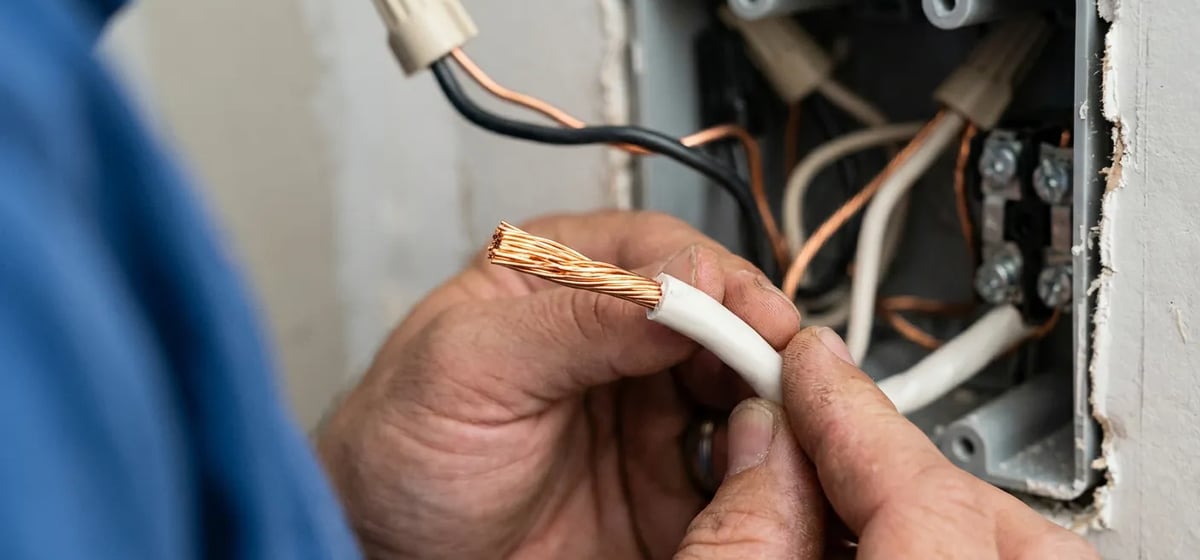
Electricity needs a complete circle to work. It travels from your main breaker box to a device and then must return. The hot wire brings the electrical power to your light switch, outlet, or appliance. The neutral wire carries that power back to the breaker panel after the device uses it. This completes the circuit so electricity can flow continuously. In a standard US home, you can usually spot the neutral wire by its white plastic jacket. Sometimes it might have gray insulation if it is part of a special high voltage circuit. Even though it is called neutral, it is an active and necessary part of your home power system. Without it, your lights and appliances simply won't turn on.
Where You Run Into It
You will usually see this wire when you open a wall outlet or a light switch box. Inside a standard wall outlet, the white neutral wire connects to the silver screws on the side. The black hot wire connects to the brass screws. You will also see neutral wires inside your main breaker panel. There is a specific metal bar inside the panel called the neutral bus bar. Every white wire from every circuit in your house connects to this single bar. From there, the current travels safely back out to the utility grid on the street. You can learn more about how your panel works in our Electrical guide.
Why It Matters for Smart Homes
You might never think about wires until you want to upgrade your home tech. The most common time you will hear about a neutral wire is when you try to install a smart light switch or a smart thermostat. A standard light switch simply breaks the connection on the hot wire to turn off the light. It doesn't need power for itself. However, a smart switch needs a constant supply of power to stay connected to your home network. It uses the hot wire to get power and the neutral wire to send it back. If your home was built before the late 1980s, your light switch boxes might not have a neutral wire tucked inside. Builders used to run the neutral wire straight across the ceiling to the light fixture instead. This makes upgrading to smart home devices a bit harder.
Safety Warnings
Many people think the neutral wire is perfectly safe because the word neutral sounds harmless. This is a dangerous mistake. The neutral wire carries the exact same amount of electrical current back from the device as the hot wire brings to it. If you disconnect a neutral wire while the circuit is live, the electricity will look for a new path to the ground. That path could easily be your hand. If you feel unsure about working inside a switch box, you should read our guide on DIY vs. Hiring a Pro to decide your next steps. Electrical work isn't a good place to guess.
Costs to Fix or Upgrade
If you want smart switches but lack neutral wires, you have a few choices:
- Buy special smart switches made for older homes that don't need a neutral wire. These usually cost 30 to 60 dollars each.
- Hire an electrician to pull a new neutral wire through the wall. This job usually costs 150 to 300 dollars per switch.
- Rewire the whole room if your home has very old cloth wiring. This typically costs 1000 to 2500 dollars.
Keep in mind that prices range widely based on your location and how hard it is to fish wires through your walls. You can read more about typical labor rates in our guide on Hiring Contractors & What Things Cost.