What is a perc test
A perc test is a soil evaluation. Perc is short for percolation. This comes from the Latin word percolare, which means to strain through. Health departments made these tests mandatory in the 1950s to stop sewage from polluting groundwater. Today, you must pass this test before you can install a standard septic system. The test measures how fast water drains through the soil on your property. If the soil absorbs water too slowly, a standard septic drain field won't work. The water will just pool on the surface and create a terrible health hazard in your yard. If it drains too quickly, the wastewater reaches the groundwater before the soil can filter out harmful bacteria.
Why you need one
Most rural homes don't connect to municipal city sewer lines. Instead, they rely on private septic systems to treat wastewater safely. When you flush a toilet, take a shower, or run a sink, the wastewater flows out of your house and into a large underground tank. The solid waste settles at the bottom of the tank. The remaining liquid then exits the tank and flows into a network of pipes called a drain field. The soil in this field acts as a natural biological filter. It cleans the water as it slowly trickles down to the groundwater supply.
You usually need a perc test when you are buying a home that needs a brand new septic system. You also need one if you buy empty land with plans to build a house. You can't get a building permit from the county without a passing perc test on file. If you are adding bedrooms to your current home, the health department might require a new test. This happens because extra bedrooms mean more people living in the house. More people means more water usage, and that requires a much larger drain field to handle the extra liquid.
How the test works
You can't do a perc test yourself. You must hire a licensed professional to handle the job. This is usually a civil engineer, a registered soil scientist, or a licensed septic contractor. The local health department often sends an official inspector to the property to watch the test in person.
The process usually takes a couple of days and involves several specific steps:
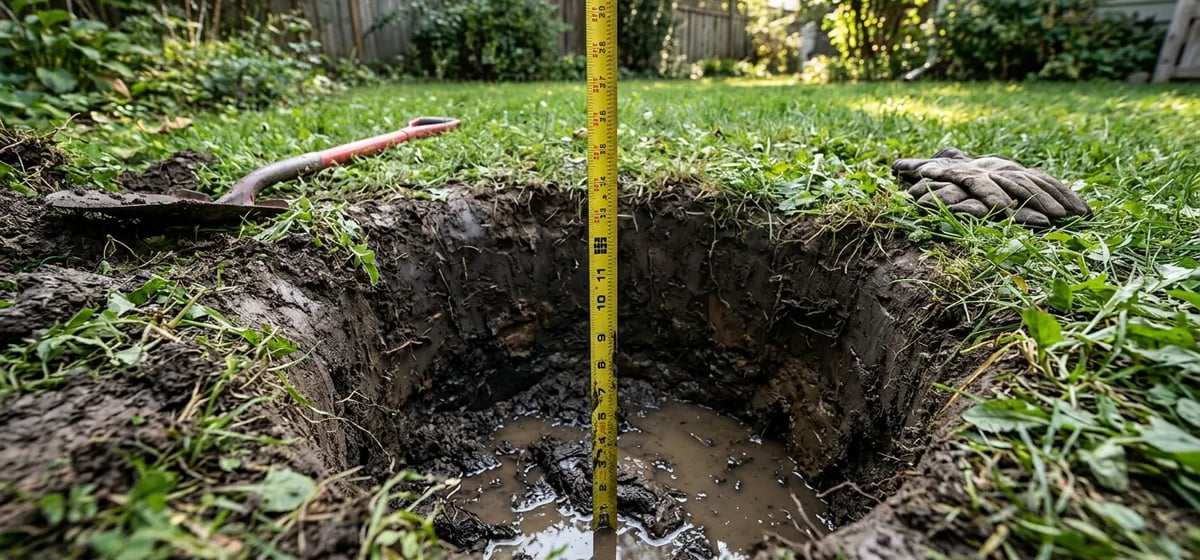
- The pro brings a backhoe to dig several deep holes in the proposed drain field area.
- They fill the holes with water and leave them overnight to completely saturate the surrounding soil.
- The next day, they add a specific, measured amount of water to the holes.
- They use a tape measure and a stopwatch to see exactly how many minutes it takes for the water level to drop one inch.
What it costs
A standard perc test usually costs 750 to 1,500 dollars. Prices vary widely based on your location, local regulations, and the size of your property. You also have to pay for the heavy equipment operator to dig the test holes. Sometimes the county charges a separate permit fee of 100 to 300 dollars just to oversee the test. If you are shopping for a vacant lot, always ask the seller if a recent perc test is already on file. A passing test makes the land much more valuable and saves you a lot of time.
What happens if you fail
A failed perc test doesn't mean you can never build a house on the land. It just means you can't use a standard gravity fed septic system. You will have to look into alternative waste systems. These specialized systems cost much more money to design and install.
Alternative systems often use electric pumps, large sand filters, or aerobic treatment units. These complex setups force the wastewater through extra filtering steps before finally releasing it into the soil. Because these systems involve moving parts and electrical components, they require more frequent maintenance. You can read more about caring for household pipes and waste systems in our plumbing guide. Always talk to a local septic engineer to find out exactly which alternative systems are legal to use in your specific county.