What is a perennial?
A perennial is a plant or flower that lives for more than two years. When winter arrives, the leaves and stems above the ground usually turn brown and die. However, the roots stay alive and sleep under the soil. When the weather warms up in the spring, the plant pushes new green shoots up from the dirt. The word comes from the Latin word perennis, which means lasting through the year. Gardeners use this term to separate these long lasting plants from annuals, which die completely after just one season.
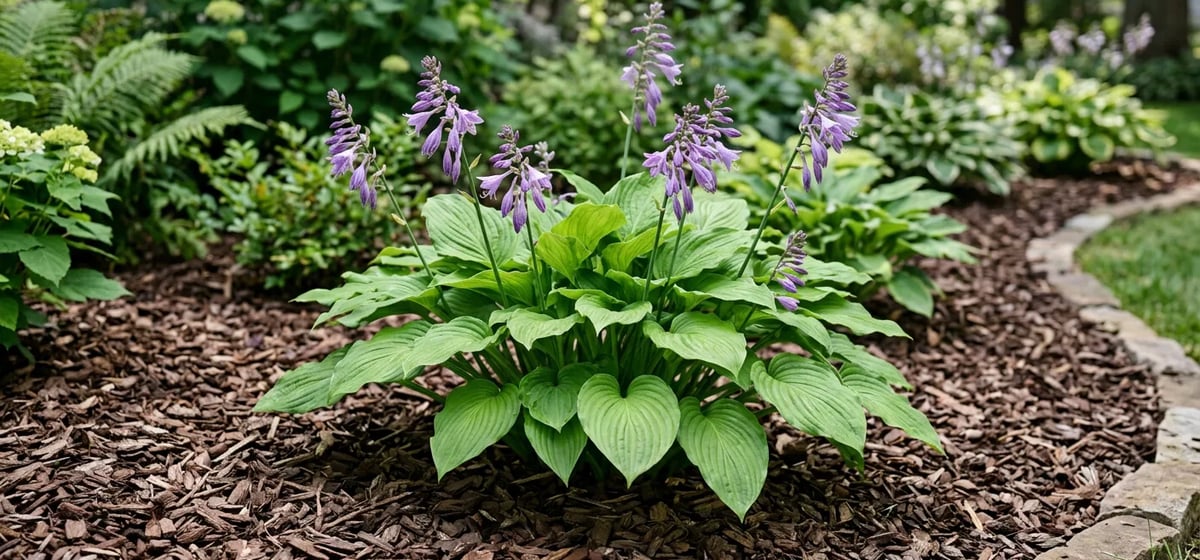
Because they come back year after year, perennials form the backbone of a good garden. You plant them once, and they keep rewarding you with leaves and flowers. Some common examples include hostas, daylilies, coneflowers, and peonies. Some of these plants can live for 10 to 20 years if they are happy in their spot.
Why perennials matter to your budget
When you shop for plants, you will notice that perennials cost a bit more upfront than annuals. A small pot might cost 10 to 30 dollars at a local nursery. Larger, older plants can cost 40 to 80 dollars. Keep in mind that ranges vary based on where you live and the exact type of plant. But this higher initial price tag actually saves you a lot of money in the long run.
If you only buy annuals, you have to spend money every single spring to fill your flower beds. You also have to spend hours digging and planting. With perennials, you do the work once. Over time, these plants grow wider and fuller. This makes them a very smart investment for Landscaping, Drainage & Outdoor projects. You get a lush yard without a yearly shopping trip.
How to choose the right plants
You cannot just buy any perennial and expect it to survive. You have to match the plant to your specific yard. The United States is divided into different plant hardiness zones based on how cold the winter gets. If you live in a cold place like Minnesota, you need tough plants that can survive freezing soil. If you live in a hot place like Florida, you need plants that will not bake in the summer sun.
- Sunlight: Watch your yard to see how much light it gets. Full sun plants need 6 or more hours of direct light. Part shade plants prefer 3 to 6 hours of light. Full shade plants want less than 3 hours of direct sun.
- Soil type: Some plants love wet, heavy clay. Others need sandy dirt that drains water quickly.
- Mature size: Plants look small in the nursery pot. Always check how wide they will grow so you do not plant them too close together.
Maintenance and care
Perennials are lower maintenance than annuals, but they are not entirely work free. You still have to care for them so they stay healthy. During Your First Year as a Homeowner, you will need to water new plants deeply. Their roots need time to stretch out into the surrounding soil. Once they are established after a year or two, they can handle dry spells much better.
Every spring or fall, you will need to do a little clean up. You just take a pair of garden shears and cut off all the dead, brown stems from the previous year. This makes room for the fresh green growth. You should also spread a layer of mulch around the base of the plants. Mulch keeps weeds away and holds moisture in the soil. A standard bag of mulch costs 3 to 5 dollars at the hardware store.
Many perennials grow very wide over time. Every 3 to 5 years, they might get crowded. You can dig them up with a shovel, chop the root ball into two pieces, and replant them. This process is called dividing. It keeps the original plant healthy and gives you a brand new plant for free.