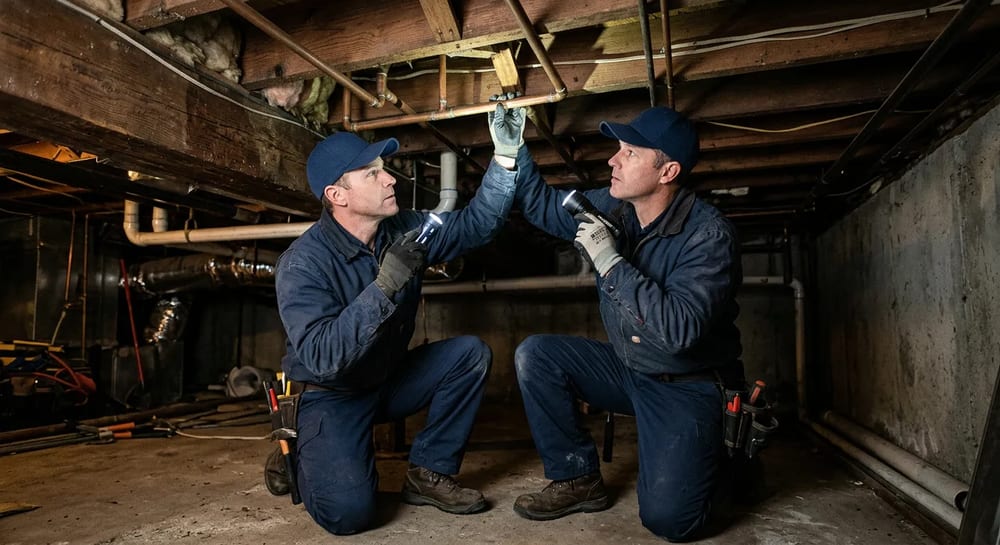
Look Past the Staging
When you tour a house, it is easy to fall in love with shiny countertops and fresh paint. But staging is just a costume. The real house hides behind the drywall. You are buying the bones. If the bones are bad, that pretty kitchen will not matter.
Paint and carpet are cheap to replace. You can learn more about updating those finishes in our interior paint and drywall guide. But a failing roof or a cracked foundation will drain your bank account before you even unpack. You must learn to spot the big ticket items. This guide will show you what to look for and why it matters.
The Foundation and Structure
The foundation holds up everything else. If it shifts or sinks, the whole house suffers. Fixing a foundation is one of the most expensive repairs a homeowner can face. Keep in mind that all cost ranges vary wildly based on your region, the scope of the job, and the age of the home.
Look at the exterior walls. Do you see large cracks in the brick or concrete? Inside, check the basement walls for bowing or horizontal cracks. Horizontal cracks are a huge red flag. They mean the soil outside is pushing the wall inward. You should also check the floors upstairs. If you drop a marble and it rolls fast to one side, the house is settling unevenly. Read more about structural warning signs in our foundation guide.
Here is a look at what different foundation repairs might cost you.
The Roof Over Your Head
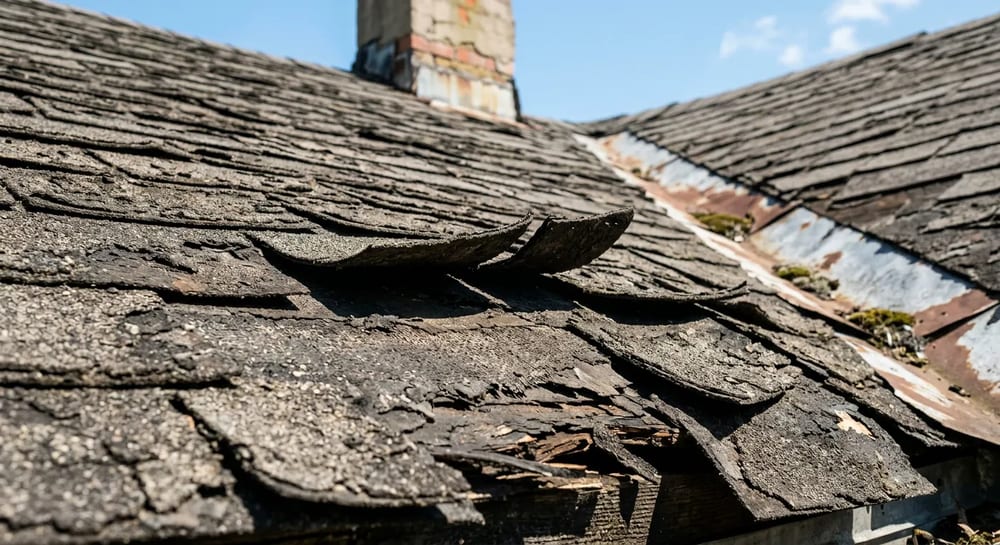
A bad roof lets water into the house. Water destroys wood, drywall, and insulation. Before you make an offer, step back into the street and look up.
Are the asphalt shingles laying flat? If they look wavy, curled at the edges, or are missing entirely, the roof is at the end of its life. Look at the gutters. If they are full of sandy granules, the shingles are breaking down. Inside the house, look at the ceilings on the top floor. Brown water stains mean the roof is already leaking. You can find more details on spotting roof damage in our roofing guide.
Plumbing and Hidden Leaks
Water pressure and pipe materials matter. Turn on the shower and flush the toilet at the same time. If the shower drops to a trickle, the house has pressure issues or clogged pipes.
Pay attention to the age of the house. Homes built before 1960 often have galvanized steel pipes. These rust from the inside out and eventually need a total replacement. Homes built in the 1980s might have polybutylene pipes. These gray plastic pipes are famous for bursting without warning. If you see them, plan to replace them. Check our plumbing guide to learn how to identify different pipe materials.
Heating and Cooling Systems
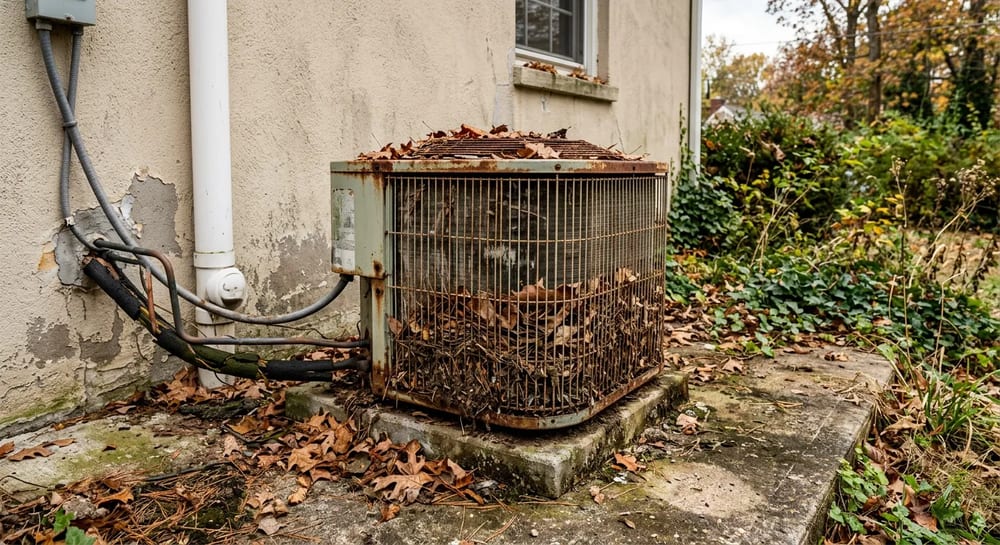
Furnaces and air conditioners do not last forever. An old system will break down right when you need it most. Find the sticker on the side of the furnace and the outdoor AC unit. It usually shows the manufacture date.
If the system is more than 15 years old, you need to budget for a replacement soon. Turn the system on during your tour. Listen for loud bangs or squeals. A well maintained system should run quietly. Also, look at the ductwork in the basement. If it is covered in duct tape or looks crushed, the system will struggle to heat the house.
Electrical Panels and Wiring
Bad wiring causes fires. You want to make sure the electrical system can handle modern life. Go to the basement or garage and find the breaker box. Open the door and look at the brand name.
If you see the names Federal Pacific or Zinsco, you have a problem. These older panels are known fire hazards and most insurance companies will force you to replace them. If the house was built before 1950, it might have knob and tube wiring. This outdated wiring lacks a ground wire and is very dangerous. You can learn how to spot these hazards in our electrical systems guide.
System Lifespans and Replacement Costs
Knowing how long things last helps you plan your budget. If you buy a house with a 20 year old roof and a 15 year old furnace, you will spend a lot of money in your first few years. Here are the typical lifespans and ballpark replacement costs for major home systems.
| Home System | Typical Lifespan | Ballpark Replacement Cost |
|---|---|---|
| Asphalt Shingle Roof | 15 to 25 years | $8,000 to $15,000 |
| HVAC (Furnace and AC) | 15 to 20 years | $6,000 to $12,000 |
| Water Heater | 8 to 12 years | $1,000 to $2,500 |
| Electrical Panel Upgrade | 25 to 40 years | $1,500 to $3,000 |
| Main Sewer Line | 40 to 60 years | $3,000 to $10,000 |
What a Home Inspection Report Covers
So what is a home inspection, exactly? It is a top to bottom visual review of the house by a trained professional. The inspector does not tear open walls or move furniture. They look at what they can safely see and reach. At the end, you get a home inspection report. This document is the most important piece of paper you receive before closing, so do not just skim the summary page.
A good report has photos, a clear description of each issue, and a rating of how serious it is. On a new home inspection, even brand new construction often has missed flashing, loose outlets, or unfinished grading. Never assume a new build is perfect. Read every page and circle anything marked as a safety hazard or a major defect.
Here is what a standard inspection looks at, and what it does not.
| Included in a Standard Inspection | Usually NOT Included (Pay Extra) |
|---|---|
| Roof surface and gutters (from the ground or ladder) | Sewer line scope (camera down the main drain) |
| Foundation, basement, and visible framing | Radon gas air testing |
| Plumbing fixtures and visible pipes | Mold and air quality lab testing |
| Electrical panel, outlets, and visible wiring | Termite and wood destroying insect inspection |
| HVAC operation and water heater | Lead paint and asbestos sampling |
| Doors, windows, and major appliances | Anything behind walls or buried underground |
When you read the report, sort the findings into three buckets. First, true safety hazards like a cracked furnace heat exchanger or exposed wiring. Second, big ticket repairs like a failing roof or settling foundation. Third, the long list of small maintenance items. Only the first two buckets belong in your repair negotiation.
Earnest Money and Your Good Faith Deposit
When your offer is accepted, you put down earnest money. This is a good faith deposit that tells the seller you are serious. It is not an extra fee. The earnest check is held by a neutral third party and, in most deals, your earnest money goes toward your closing costs or down payment at the end. You do not lose it as long as you follow the contract.
How much earnest money to put down depends on your local market. In a slow market a small deposit may be fine. In a hot market a larger deposit makes your offer stand out. Here are typical ranges, though they vary widely by region and price point.
| Market Condition | Typical Earnest Money | What It Signals |
|---|---|---|
| Slow buyer's market | 1 percent of the price or a flat $500 to $1,000 | A basic, acceptable offer |
| Balanced market | 1 to 2 percent of the purchase price | A solid, competitive offer |
| Hot seller's market | 3 to 5 percent of the purchase price | A strong offer that beats rivals |
When is earnest money due? Usually within one to three business days after the seller signs your offer. You wire it or write an earnest check to the escrow or title company, never directly to the seller. Keep the receipt. Follow these steps to protect your deposit:
- Read the contract for the exact deposit deadline and pay on time.
- Send the money only to the licensed escrow, title, or attorney's trust account.
- Keep your financing, inspection, and appraisal contingencies in the contract.
- Meet every contingency deadline so you keep the right to walk away with your money.
- If you cancel for a reason allowed in the contract, request your refund in writing.
Escrow Accounts, Fees, and Closing
Escrow is one of the most confusing words for new buyers because it means two different things. During the purchase, an escrow account is a neutral holding spot for your earnest money and documents until the deal closes. After you own the home, your mortgage lender may keep a second, ongoing escrow account to pay your property taxes and insurance for you.
So is escrow property tax? Not exactly. The escrow account is the holding bucket. Each month you pay extra with your mortgage, and the lender uses that money to pay your property taxes and homeowners insurance when the bills come due. This homeowners insurance escrow setup spreads big annual bills into small monthly amounts so you are never hit with a surprise. Learn more about the ongoing bills in our home insurance guide.
What are escrow fees? These are the charges the escrow or title company adds for handling the closing, holding the funds, and recording the paperwork. They are part of your total closing costs. Here is a rough breakdown of common closing costs, which usually run 2 to 5 percent of the purchase price and vary by region.
| Closing Cost Item | Who Usually Pays | Typical Range |
|---|---|---|
| Escrow or settlement fee | Often split buyer and seller | $500 to $2,000 |
| Title search and title insurance | Buyer (varies by state) | $700 to $2,500 |
| Loan origination fee | Buyer | 0.5 to 1 percent of the loan |
| Appraisal fee | Buyer | $400 to $700 |
| Recording and transfer taxes | Varies by region | $100 to several thousand |
| Prepaid taxes and insurance (escrow setup) | Buyer | 2 to 6 months of bills upfront |
To open an escrow account for the purchase, you usually do nothing yourself. Your real estate agent or lender selects a licensed escrow, title, or attorney's office, and that company opens the file once your offer is accepted. When every condition is met and all funds are in, the deal closes, escrow is released, and you get the keys. Always read the final closing statement line by line and ask about any fee you do not recognize.
The Home Inspection Process
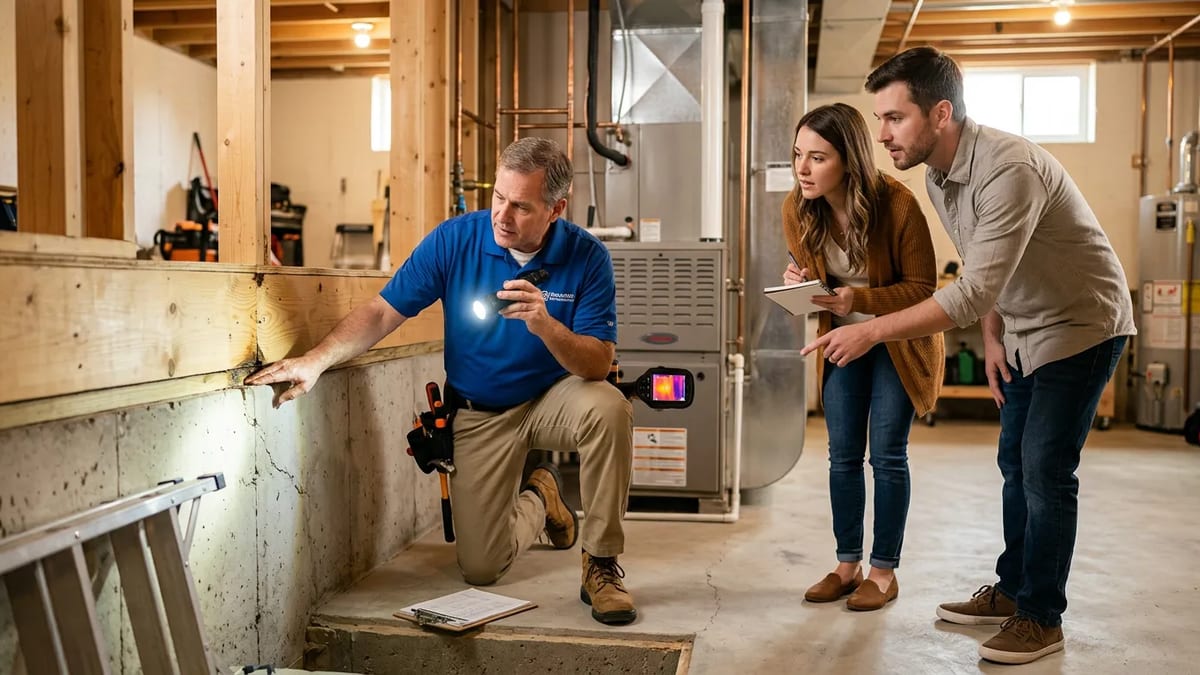
Once your offer is accepted, you have a short window to inspect the home. Always hire a licensed, independent home inspector. Do not just use the person your real estate agent recommends without checking their reviews.
Follow the inspector around the house. Ask questions. They will check the roof, foundation, plumbing, electrical, and HVAC systems. They will give you a long report filled with pictures and notes. Do not panic when you see 50 items on the list. Most are minor maintenance tasks. Focus on the big ticket items.
Remember that a standard inspection does not cover everything. You often need separate tests for things like radon gas or mold. You can read more about testing for these issues in our environmental hazards guide. If the inspector finds major defects, use the report to negotiate. You can ask the seller to fix the problem or give you a credit to pay for the repairs yourself.