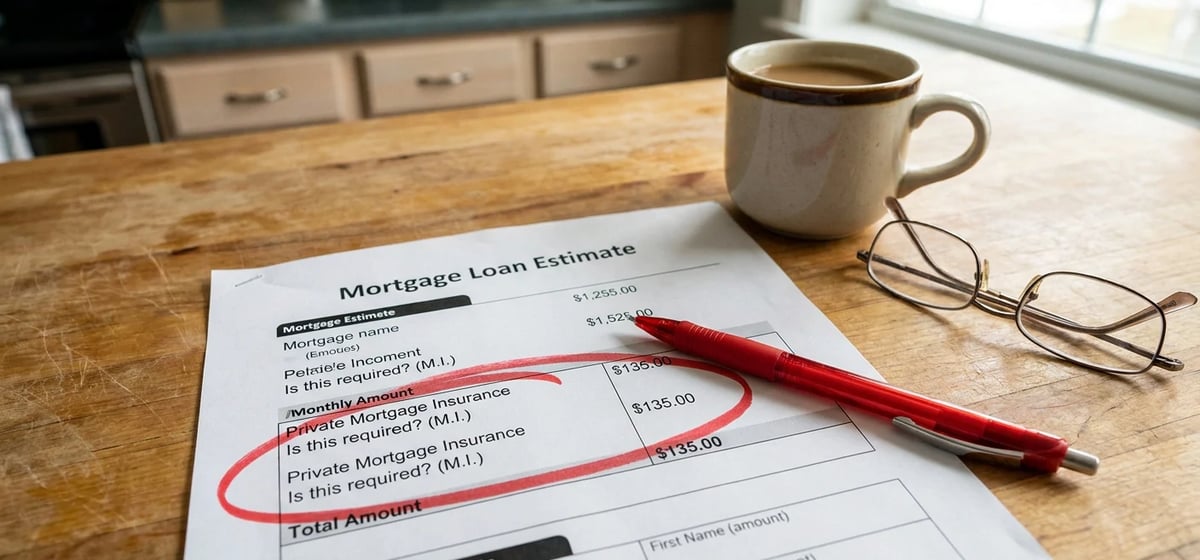
When you buy a house, your lender wants to make sure they don't lose money if you stop making payments. If you make a down payment that is less than 20 percent of the home price, the lender will require you to pay for private mortgage insurance. People usually just call this PMI. This insurance policy protects the bank, not you.
Even though the policy covers the lender, you are the one who has to pay the bill. It's a very common part of the home buying process. Understanding how it works can help you plan your monthly budget and figure out how to get rid of the fee as soon as possible. If you are currently Buying a Home, you'll likely see this term on your loan documents.
Why Lenders Require It
Mortgage lenders started using this type of financial product in the late 1800s. Their goal was simple. They wanted a way to reduce their own lending risks when giving out large amounts of money. The modern version of this insurance became standard practice in the United States during the housing boom of the 1950s.
Banks know that homeowners who put down a large amount of cash are less likely to walk away from their loan. A 20 percent down payment shows the bank you are heavily invested in the property. If you put down less than that, the bank sees you as a higher risk. The insurance policy acts as a safety net for the bank. If you lose your job and stop making payments, the insurance company steps in and pays the bank a portion of what you owe. This system actually helps buyers in the long run. Without it, banks would only lend money to people who had huge amounts of cash saved up. This insurance allows regular people to buy a home much sooner.
How Much It Costs
The cost of private mortgage insurance depends on your credit score, the type of loan you have, and how much money you put down. In general, you can expect to pay between 0.5 percent and 2 percent of your total loan amount each year.
For example, let us say you have a 300,000 dollar loan. Your PMI might cost 1,500 to 6,000 dollars per year. That breaks down to roughly 125 to 500 dollars added to your bill every month. Keep in mind that these ranges vary based on your specific financial details and current market rates. A higher credit score and a larger down payment will usually get you a cheaper rate.
How You Pay For It
There are a few different ways lenders collect this money. The most common method is a monthly premium. The lender simply adds the cost to your regular monthly mortgage payment. You'll pay it at the same time you pay your principal, interest, and property taxes.
Some lenders offer an upfront premium instead. In this case, you pay the entire cost of the insurance policy at the closing table. This lowers your monthly bill, but it requires you to bring a lot more cash when you buy the house. A third option is lender paid mortgage insurance. The lender pays the premium for you, but they charge you a higher interest rate on your loan to make up for it.
How to Cancel It
The best thing about private mortgage insurance is that it doesn't last forever. You can get rid of this extra expense once you build up enough equity in your property. Equity is the difference between what your home is worth and what you still owe the bank.
You have a few ways to drop this monthly fee:
- Request cancellation: Once your loan balance drops to 80 percent of the original purchase price, you can write to your lender and ask them to cancel the policy. You must have a good payment history to do this.
- Automatic cancellation: By federal law, your lender must automatically stop charging you for this insurance when your loan balance reaches 78 percent of the original purchase price.
- Get a new appraisal: If home values in your neighborhood go up, your home might be worth a lot more than you paid for it. You can hire an appraiser to prove your home's new value. If the new value gives you at least 20 percent equity, your lender might let you cancel the policy early.
- Refinance your loan: If interest rates drop, you might want to look into Mortgage Refinancing: When It Is Worth It. If your home has gained enough value, the new loan won't require mortgage insurance at all.
Getting rid of this fee is a great milestone. It frees up extra cash in your budget every month that you can use for home repairs, upgrades, or saving for the future.