What Is a Premium?
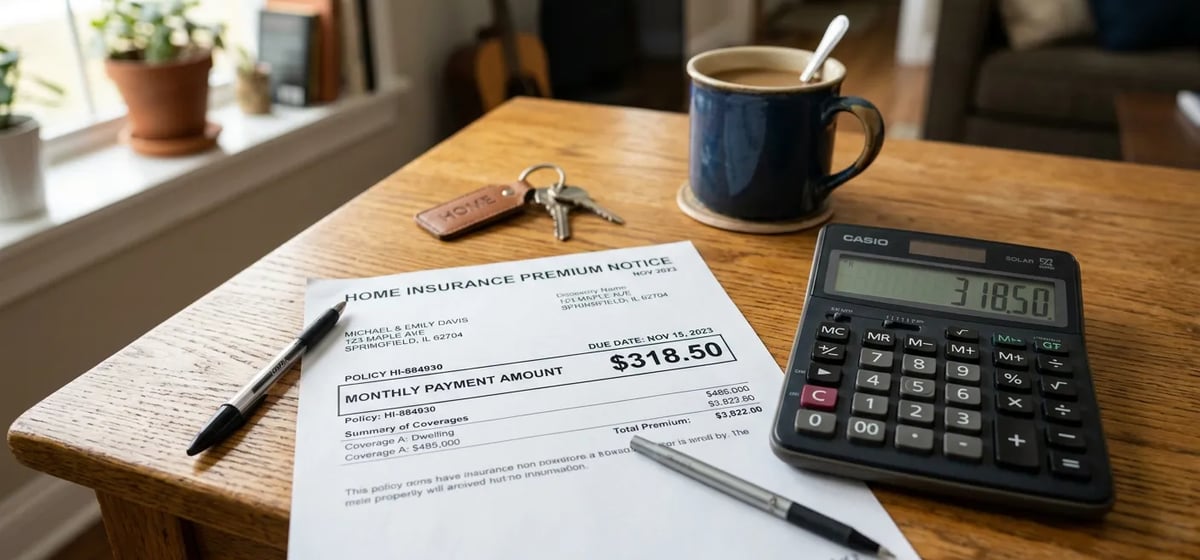
A premium is the exact amount of money you pay an insurance company to keep your home protected. You buy an insurance policy to cover major disasters like fires, windstorms, or theft. In exchange for taking on that massive financial risk, the insurance company charges you a fee. That fee is your premium.
The word actually comes from the Latin word praemium. This means a reward or a prize. Back in the early days of insurance, a premium was the reward given to rich investors who took on the financial risk of a dangerous sea voyage. Today, it is simply the bill you pay to keep your coverage active. If you stop paying this bill, your policy will cancel. That leaves you on the hook for any damage your house suffers.
How Much Does It Cost?
Home insurance premiums depend heavily on where you live and the details of your house. In the United States, a typical home insurance premium usually runs from 1,200 to 2,500 a year. However, ranges vary widely based on your location and coverage needs.
If you live near the coast where hurricanes hit, your premium might jump from 3,000 to 5,000 a year. If you live in a quiet inland suburb in a brand new house, you might only pay 800 a year. Insurance companies look at many details to set your price. They check the age of your roof, the crime rate in your zip code, and even your personal credit score. Things like a swimming pool, a trampoline, or certain breeds of dogs can also make your premium go up. These items increase the chance that someone gets hurt on your property. You can learn more about what policies cover in our guide to Home Insurance.
How You Pay Your Premium
You usually pay your premium in one of two ways. The most common way is through an escrow account tied to your loan. When you set up your loan, your lender adds a portion of your yearly premium to your regular monthly payment. The lender holds this money in a special account. When your yearly insurance bill is due, the lender pays the premium for you. This is very common for most Mortgages.
The second way is paying the insurance company directly. If you do not have a mortgage, or if your lender allows it, you can pay the bill yourself. You might pay it once a year in a single lump sum. Some companies also let you split it into monthly or quarterly payments.
How to Lower Your Premium
Nobody wants to pay more than they have to. You have a few simple ways to lower your premium. Here are the most common methods:
- Raise your deductible. The deductible is the amount you pay out of pocket before insurance kicks in. If you raise your deductible from 500 to 1,500, your premium will go down. You take on more risk, so the insurance company charges you less.
- Bundle your policies. Most companies offer a discount if you buy both your auto and home insurance from them.
- Make your home safer. Adding deadbolts, fire alarms, and smart cameras can earn you a discount. Upgrading your Home Security shows the insurance company your house is less likely to suffer a major loss.
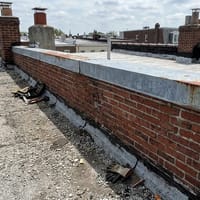
- Keep up with maintenance. An old roof is a huge red flag for insurance companies. If you replace a roof that is 20 years old, let your insurance agent know right away. They will often lower your premium because a new roof is much less likely to leak during a bad storm.