What is a Collar Tie?
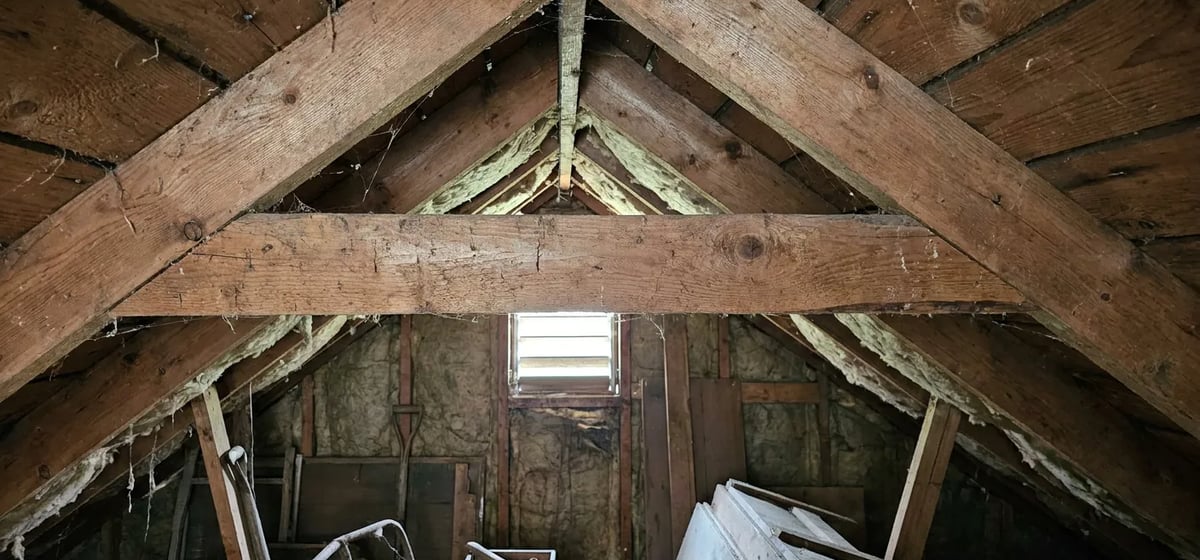
A collar tie is a horizontal piece of wood in your attic. It connects two opposing roof rafters high up near the roof peak. You'll usually find them in the upper third of the attic space. Builders space these boards every few feet along the length of your roof. The word collar comes from the Latin word collare. That means a band for the neck. Builders use this term because the wood grips the upper neck of the roof structure. It holds the whole thing tightly together.
Collar ties aren't the same as ceiling joists or rafter ties. Those sit much lower down near the attic floor. A collar tie sits high up. It acts like a tension band. It stops the roof framing from pulling apart when heavy winds blow or thick snow piles up on the shingles.
Why It Matters to You
Your roof takes a lot of abuse from the weather. When high winds hit your house, they create an upward pulling force. This is called wind uplift. Without collar ties, strong gusts could actually pull your roof framing apart at the top seam. Heavy snow does the opposite. It pushes down hard on your Roofing materials. This downward weight makes the rafters want to bow outward.
Collar ties fight both of these forces. They keep the peak of your roof locked together. This protects your home from serious structural damage. If your roof framing shifts, you might see cracks in your ceiling drywall. You might also get roof leaks. In the worst cases, a weak roof can collapse during a severe storm.
Where You Run Into It
You'll mostly see collar ties when you go up into an unfinished attic. They look like a series of wooden bridges running across the top of the space. Sometimes homeowners want to finish their attic to create a bonus room. They might think these boards are just in the way. They might want to cut them out to make more headroom.
You might also see collar ties mentioned on a home inspection report when you buy a house. Inspectors always look up at the roof framing. They want to make sure the ties are present, properly spaced, and securely nailed to the rafters.
What to Watch For
You should check your attic once a year. Bring a bright flashlight. Look up at the wooden boards near the peak of the roof. You want to spot problems before they turn into major repairs.
- Missing ties: Some older homes never had them. Sometimes a previous owner removed them.
- Cracked wood: Look for deep splits in the boards. A cracked tie can't hold the roof together.
- Loose nails: The nails holding the tie to the rafter can pull out over time.
- Water damage: Dark stains or soft wood mean you have a roof leak above the tie.
If you see any of these issues, you need to call a professional. A framing carpenter or a roofing expert can assess the damage. They will tell you if your Foundation & Structure is still safe.
Costs to Fix or Add Collar Ties
Adding or replacing collar ties is usually a straightforward job for a pro. The materials are cheap. The main cost is labor. A carpenter has to crawl into a hot, cramped attic to do the work.
If you need to add collar ties to an existing roof, expect to pay 150 to 300 dollars per tie. This includes the wood and the labor. If your whole attic needs them, the total project usually runs between 1000 to 2500 dollars. Remember that prices vary based on where you live and how hard it is to move around in your attic. If you need to hire an engineer to design a custom fix, that will add 400 to 800 dollars to your bill.