What is a chimney crown?
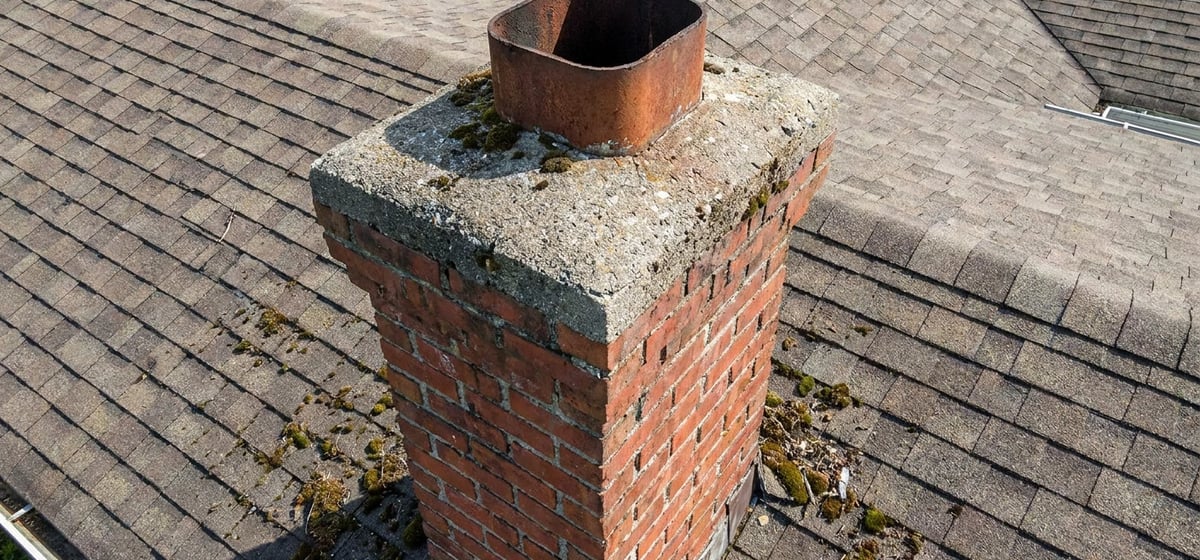
Masons have used the word crown for centuries to describe the topmost finishing feature of a building structure. The term comes from the Latin word corona, which means a wreath or garland worn on the head. On your house, a chimney crown is the flat or slightly sloped concrete slab that seals the very top opening of your masonry chimney. It wraps around the clay flue liner and covers the exposed bricks. A properly built crown hangs over the edges of the chimney. This overhang lets water drip away from the bricks below so your chimney stays dry.
Why it matters for your home
Your chimney faces the worst weather your climate has to offer. Without a solid crown, rain and melting snow will fall right down into the chimney structure. Water is the biggest enemy of brick and mortar. When water gets inside the masonry, it freezes and expands during the winter. This expanding ice pushes the bricks apart and causes them to crack and crumble. A good crown acts like an umbrella for your chimney. It keeps the inside dry and protects the structure of your home. A failing crown can lead to major water leaks inside your walls or attic. You can learn more about protecting your home from weather damage in our guide to Roofing.
What makes a good chimney crown?
Many older homes have poorly built chimney crowns. Some builders just slathered a thin layer of leftover mortar over the top bricks. Mortar isn't waterproof. It absorbs rain and cracks very quickly. A proper chimney crown must be made of poured Portland cement. The concrete needs to be at least two inches thick at its thinnest point. It should slope downward from the center flue to the outside edges so water runs off easily. The crown must also extend at least two inches past the brick walls on all sides. This creates a drip edge that forces water to fall straight down onto the roof instead of running down the face of the brick. Finally, a good mason will leave a small gap between the clay flue pipe and the concrete crown. They'll fill this gap with a flexible sealant. The flue gets very hot when you have a fire, and it needs room to expand without cracking the concrete crown around it.
Signs your chimney crown needs repair
Chimney crowns crack over time due to sun, wind, and freezing temperatures. You should inspect your chimney from the ground with binoculars once a year. Look for a few common problems.
- Visible cracks in the concrete slab at the very top of the chimney.
- Missing chunks of concrete or exposed brick near the roofline.
- Rust stains running down the outside of the chimney bricks.
- Water stains on your ceiling or walls near the fireplace.
- Small pieces of brick or mortar falling into your firebox.
If you see any of these signs, you need to call a professional chimney sweep or mason. Catching a small crack early saves you from a massive repair bill later.
What it costs to fix or replace
Repairing a chimney crown is usually a job for a professional. Working on a roof is dangerous, and masonry requires specific skills. The price you pay depends on the damage. Costs vary widely based on your location and the steepness of your roof.
If your crown only has small hairline cracks, a pro can seal it with a flexible waterproof coating. This simple repair usually costs 150 to 300 dollars. If the crown is crumbling or missing pieces, the mason will need to pour a brand new concrete slab. A full chimney crown replacement typically costs 800 to 3000 dollars. A massive brick chimney might cost even more to fix. If you're comparing quotes from local pros, check our guide on Hiring Contractors & What Things Cost to make sure you get a fair deal.