What is sod?
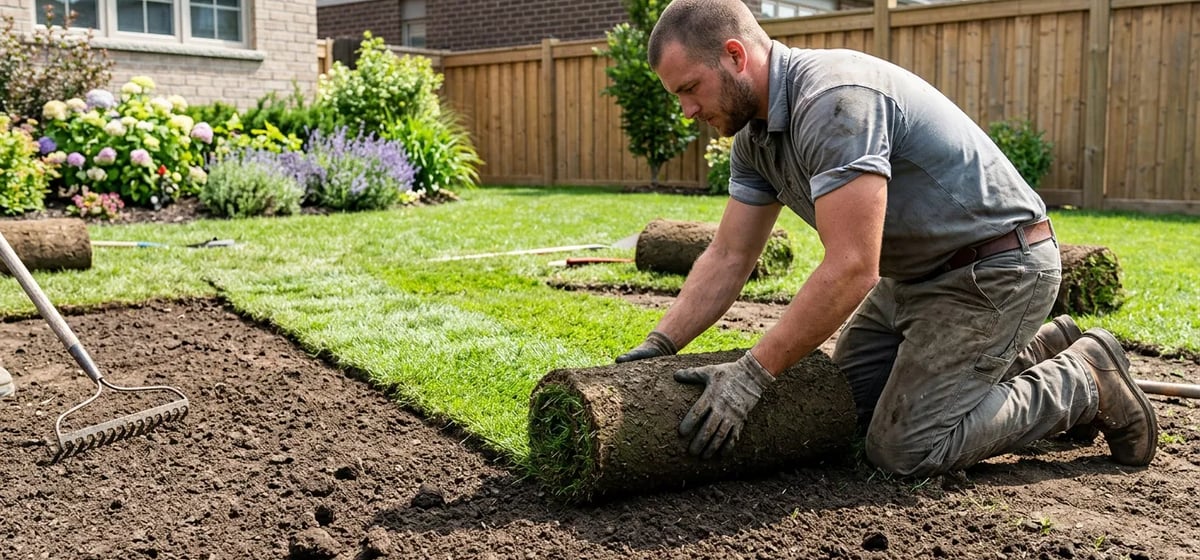
Sod is pre grown grass that comes attached to a thin layer of soil and roots. Landscapers harvest it from special farms. They use large machines to cut the mature grass into long strips or neat rectangles. Then, they roll it out over bare dirt like a green carpet. This gives you a finished lawn in a single afternoon. The word sod comes from the Middle Dutch word sode, which means a piece of turf. Farmers and builders have used chunks of grassy earth for centuries to build walls and quickly cover bare dirt. Today, homeowners mostly use it to get a beautiful yard without waiting months for seeds to sprout.
Why choose sod over seed
Growing a lawn from seed takes a lot of time and patience. Birds might eat your seeds, or a heavy rain might wash them away into the street. Weeds often take over before the baby grass gets thick enough to fight them off. Sod solves these common problems. You get instant results and a thick, healthy lawn on day one. It stops mud from tracking into your house right away. If you are reading up on Your First Week as a Homeowner, laying sod is a very popular project to quickly fix up an ugly, neglected yard. It also stops dirt from washing away on steep hills because the heavy, solid rolls stay firmly in place.
How much sod costs
Buying and laying sod costs much more upfront than throwing down bags of grass seed. You're paying for a farmer to water, weed, and grow the grass for over a year before it reaches your yard. On average, you can expect to pay 1 to 2 dollars per square foot if you buy the rolls and install them yourself. If you hire a professional crew to clear the old yard, prepare the dirt, and lay the sod, the price jumps to 2 to 5 dollars per square foot. These ranges vary based on where you live, local labor rates, and what specific type of grass you choose. For example, a typical suburban yard might cost 2000 to 5000 dollars for a full professional installation.
Common types of sod
Farms grow many different types of grass depending on the local climate. If you live in a hot southern state, you will likely see Bermuda, Zoysia, or St. Augustine grass. These types love the heat and spread out quickly to fill in empty spots. If you live in a cooler northern state, you will probably find Kentucky Bluegrass or Fescue. These grasses survive freezing winters and stay green in cooler temperatures. When you decide to buy sod, make sure you pick a grass type that matches the amount of sunlight your yard gets. Some grasses need full, baking sun all day long, while others do perfectly fine in the shade under large trees. Picking the wrong grass for your yard means it will slowly die away, no matter how much you water it.
What to watch out for
The biggest mistake new homeowners make with sod is poor watering. The roots are very short when the grass arrives on pallets. They need to grow down and grab onto the dirt below to survive. You must water the new grass heavily every single day for the first two to three weeks. If the edges turn brown or start to shrink, it means the grass is drying out and dying.
You also need to prepare the ground properly before the green rolls arrive. You can't just throw sod over old weeds, rocks, or hard clay. Proper ground preparation involves a few key steps:
- Removing all old grass, weeds, and large rocks from the area.
- Tilling or loosening the top few inches of bare dirt.
- Adding a layer of fresh topsoil or starter fertilizer to feed the new roots.
- Raking the ground perfectly flat so your new lawn does not have bumpy holes.
Proper ground preparation falls under general Landscaping, Drainage & Outdoor care. Doing this prep work is the absolute secret to a green lawn that lasts for many years.